

How Do I Stop My Pipes From Freezing in Winter? The Short Answer
If you’re asking how do I stop my pipes from freezing in winter, the answer starts with insulation, consistent indoor heating, and protecting exposed pipework before temperatures drop below 0°C. In Hallam and the broader south-east Melbourne region, overnight winter lows regularly dip to 3–6°C — cold enough to freeze pipes in vulnerable spots like exterior walls, garages, and under-floor cavities.
Why Hallam Homes Are More at Risk Than You Might Think
Melbourne’s south-east corridor experiences some of Victoria’s sharpest overnight temperature drops between June and August. While it rarely snows in Hallam, wind chill can push the effective temperature well below freezing — and that’s when your pipes are most at risk.
Pipes don’t need blizzard conditions to freeze. Once ambient temperatures fall below -6°C (or wind chill creates equivalent conditions), water inside uninsulated pipes can begin to freeze and expand. The resulting pressure is enough to split copper, PVC, or galvanised steel — leading to repair bills that can range from $1,000 to over $15,000 depending on the damage.
Which Pipes Freeze First? Know Your Home’s Vulnerable Spots
Not all pipes carry the same risk. Understanding where your most exposed pipework sits helps you prioritise your winter prep. The pipes most likely to freeze are those located in:
- Exterior walls — especially in older Hallam homes with minimal wall insulation
- Garages and carports — unheated spaces with no thermal buffer
- Under-floor cavities and crawl spaces — exposed to cold air flow from outside
- Roof spaces and attics — particularly for homes with hot water systems installed up high
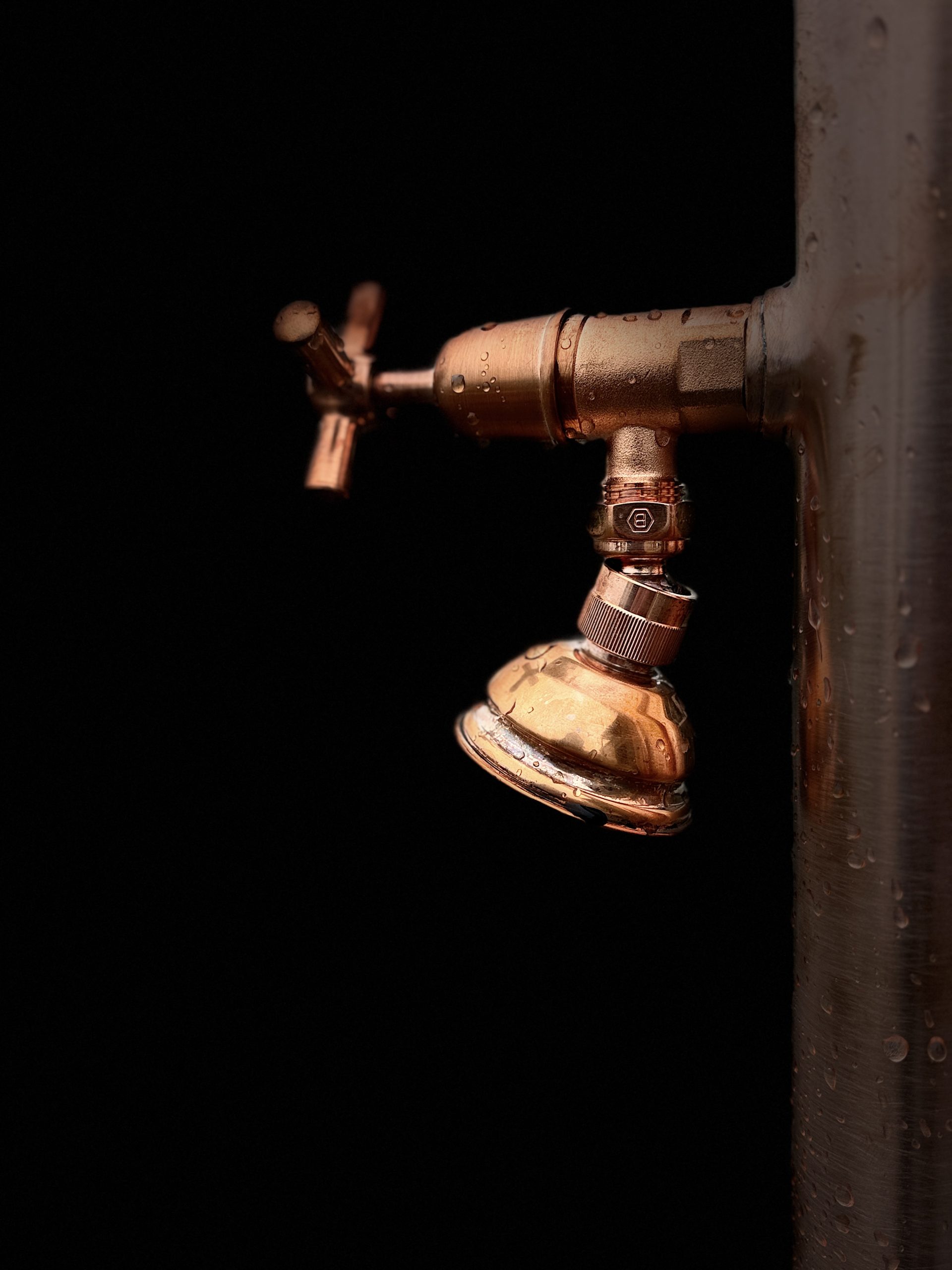
- Outdoor hose taps (hose bibs) — almost always the first to freeze
- Irrigation and garden watering systems — often completely forgotten until it’s too late
If you’re unsure where your main water meter shutoff is located, find it now — before a burst pipe turns a cold night into a full-blown emergency.
How to Stop Your Pipes From Freezing in Winter: Prevention Checklist
The best time to act is before the first cold snap hits. Here’s a practical seasonal checklist to protect your Hallam home’s plumbing:
- Insulate exposed pipes — Use foam pipe lagging (available at most hardware stores for around $5–$15 per metre) on any pipes in unheated areas. For higher-risk locations, fiberglass pipe wrap offers better thermal resistance.
- Install heat tape on critical runs — Self-regulating heat tape is ideal for pipes in crawl spaces or exterior walls. It draws more power when temperatures drop and less when conditions warm up.
- Seal crawl space vents at night — Cold air flowing under your floor is a major contributor to pipe freezing. Use removable vent covers or foam inserts during the coldest months.
- Disconnect garden hoses from outdoor taps — A connected hose traps water in the tap body, which can freeze and crack the fitting. Drain and store hoses before June.
- Service your irrigation system — Drain or blow out irrigation lines before winter. Even a small amount of standing water can cause significant damage when it freezes.
- Keep your thermostat above 12°C — Even if you’re away on holiday, never let your home drop below this threshold. A vacant home with no heating is one of the most common causes of burst pipes.
- Open under-sink cabinet doors on cold nights — This allows warm air to circulate around pipes on exterior walls, particularly in kitchens and bathrooms.
Emergency Actions: What to Do the Night of a Cold Snap
Sometimes winter arrives faster than expected. If you haven’t completed your seasonal prep and temperatures are plummeting, here’s what to do right now.
Allow a slow drip from your cold water taps — particularly those fed by pipes on exterior walls. Moving water is significantly harder to freeze than standing water. It’s not a permanent solution, but it can get you through a single cold night.
If you suspect a pipe has already frozen (reduced water pressure, no flow from a tap, visible frost on a pipe), apply gentle heat using a hairdryer or warm towels — never an open flame. Work from the tap end back towards the frozen section. For advice on safe DIY thawing, the Plumbing Code of Australia provides guidance on safe handling of plumbing systems.
What You Should Never Do
Avoiding common mistakes is just as important as taking the right steps. Do not use a blowtorch, heat gun, or any open flame near pipes — this is a serious fire hazard and can cause further damage. Never turn off your heating completely during a cold spell, even to save on energy costs. And don’t ignore a slow drip from a tap or a slight drop in water pressure — these are early warning signs that something is already wrong.
If you’re heading away for an extended period, ask a trusted neighbour to check your home, and consider turning off the water at the meter as a precaution. For homes in areas like Doveton or nearby suburbs with older housing stock, this is especially important.
When to Call a Professional
Some pipe-freezing situations go beyond what a DIY fix can handle. If you’ve thawed a pipe and notice water staining, reduced pressure that doesn’t recover, or any sign of a leak behind walls or under floors, you need a licensed plumber immediately. Attempting to repair a burst pipe yourself without the right tools and knowledge can make the damage — and the cost — significantly worse.
The Plumbing & Roofing Company services Hallam and the surrounding south-east Melbourne area, including Pakenham and Clyde North. With upfront pricing and fast response times, they’re the team to call when a frozen or burst pipe becomes an emergency. Don’t wait until water is running through your walls — contact them at the first sign of trouble.
Conclusion
Knowing how do I stop my pipes from freezing in winter comes down to preparation, awareness, and acting early. Insulate your exposed pipes, protect outdoor taps and irrigation lines, keep your home heated, and know where your water shutoff is located. These steps are simple, affordable, and could save you thousands in repair costs.
If you’re unsure about the condition of your home’s pipework heading into winter 2026, a pre-season inspection from a qualified local plumber is one of the smartest investments you can make. The Plumbing & Roofing Company is ready to help Hallam homeowners stay protected — reach out today before the cold snap hits.
Frequently Asked Questions
What temperature do pipes freeze at in Australia?
Pipes can begin to freeze when ambient temperatures drop below 0°C, but the real danger zone is around -6°C or below — especially when wind chill is factored in. In Hallam and south-east Melbourne, overnight winter temperatures combined with wind chill can reach these levels, making pipe insulation essential for any exposed pipework.
Does letting a tap drip really prevent pipes from freezing?
Yes — allowing a slow drip from a cold water tap reduces the risk of freezing because moving water requires a lower temperature to freeze than standing water. It also relieves pressure that builds up when water does begin to freeze, reducing the chance of a pipe bursting. It’s best used as a short-term emergency measure rather than a permanent solution.
How long does it take for pipes to freeze?
Under sustained temperatures of -6°C or colder, uninsulated pipes in exposed locations can begin to freeze within 6 to 8 hours. Pipes in interior walls with adequate heating may take longer or not freeze at all. The key variables are pipe location, insulation level, and how long the temperature stays below freezing.
Can I insulate my own pipes, or do I need a plumber?
Basic pipe insulation using foam lagging or pipe sleeves is a straightforward DIY task that most homeowners can handle safely. However, if your pipes run through wall cavities, under suspended floors, or in hard-to-reach crawl spaces, a licensed plumber can assess the situation and recommend the most effective solution — including heat tape installation, which should be done correctly to avoid electrical hazards. For more about what we do, visit our homepage.


