

Picture this: you turn on the kitchen tap for a glass of water after a run, and it comes out looking slightly cloudy or tasting a bit off. Most of us would just shrug, wait a second, and drink it anyway. But that little moment is actually your plumbing system trying to tell you something. In a city like Melbourne, where water infrastructure snakes through decades-old suburbs and brand-new high-rises alike, backflow issues are more common than people think — and they’re almost always invisible until something goes wrong.
Backflow testing Melbourne plumbers perform every day isn’t just a box-ticking exercise for landlords or a random line item on your plumbing invoice. It’s the quiet safeguard that stops contaminated water from ever reaching your clean water supply. Think of it like a one-way door for your pipes. When that door jams or breaks, water that should only flow in one direction can suddenly reverse, and that’s when things get messy — literally and figuratively.
In this guide, we’ll walk through five real plumbing issues that are strong signals you need backflow testing Melbourne-wide, whether you’re in a Fitzroy terrace, a Docklands apartment, or a Dandenong industrial unit. We’ll keep it simple, practical, and genuinely useful, because nobody wants to read a wall of plumbing jargon before their coffee’s even kicked in.
What Exactly Is Backflow, and Why Does Testing Matter?
Let’s clear this up before we go further, because “backflow” sounds more technical than it actually is. Backflow happens when water flows backwards through your pipes instead of forward, usually caused by a sudden drop in water pressure. When that happens, water sitting in your garden hose, irrigation system, or even a swimming pool can get sucked back into the drinking water line. Not great, right?
That’s exactly why backflow prevention exists. A backflow prevention device acts as a checkpoint, allowing water to move in only one direction. Backflow device testing confirms that the checkpoint is actually doing its job. Under Victorian regulations, certain properties — particularly those with medium or high hazard connections like irrigation systems, fire services, or commercial kitchens — are legally required to have these devices tested annually by a licensed plumber. Skipping it isn’t just risky; in many cases, it’s non-compliant.
Issue 1: Sudden or Unexplained Drops in Water Pressure
If your shower has started to feel more like a light drizzle than a proper rinse, don’t just blame your water company. A sudden pressure drop is one of the clearest early warning signs that backflow could be occurring somewhere in your system. When mains pressure dips — say, during nearby firefighting activity, a burst pipe down the street, or scheduled maintenance — it creates the exact conditions backflow thrives in.
Here’s the thing: most homeowners never connect low pressure to backflow risk because the symptoms feel completely unrelated. You just think your hot water system is ageing or your pipes need to be cleaned. But if pressure drops are becoming a regular pattern rather than a one-off annoyance, it’s worth booking backflow testing Melbourne technicians can carry out properly, because a compromised backflow prevention device often reveals itself first through inconsistent pressure rather than obvious leaks or discolouration.
Issue 2: An Old, Corroded, or Never-Tested Backflow Device
Every mechanical device has a shelf life, and backflow prevention devices are no exception. If your property’s device hasn’t been serviced in over twelve months — or worse, you genuinely don’t know if it’s ever been tested — that alone is reason enough to get backflow compliance testing scheduled. Older devices, particularly those installed before 2010, were often built with materials that corrode faster under Melbourne’s variable water chemistry.
A few practical signs your device might be due for backflow device maintenance include:
- Visible rust, discolouration, or mineral build-up around the valve housing
- A compliance sticker or tag that’s missing, faded, or shows a testing date over a year old
- Water hammer or banging noises near the device location
- No record of the device in your property’s plumbing compliance file
- A recent property purchase where previous testing history is unclear
If two or more of these apply to your place, it’s genuinely not something to put off. An untested or failing device isn’t dangerous in a dramatic, movie-style way — it’s dangerous in the quiet, cumulative way that public health risks usually are.
Issue 3: Discoloured, Smelly, or Odd-Tasting Tap Water
We touched on this earlier, and it deserves its own spotlight because it’s the symptom most people actually notice in real life. Discoloured water — brownish, yellowish, or even slightly green — combined with a metallic or chemical smell can point directly to water contamination prevention failures upstream. This doesn’t automatically mean your entire suburb’s water is unsafe; it often means there’s a localised cross-connection somewhere in your own plumbing, possibly linked to a garden irrigation line or an old, unsealed hose bib.
According to the Building and Plumbing Commission Victoria, cross-connection testing exists precisely to identify these hidden links between drinking water and non-drinking water sources before they cause real harm — you can read more about the regulatory framework through the Victorian Building and Plumbing Commission’s backflow prevention guidance. It’s a genuinely useful resource if you want to understand exactly what “compliant” looks like in Victoria.
The takeaway here is simple: if your water looks or tastes different from usual, don’t just switch to bottled water and forget about it. Get it checked. Backflow testing Melbourne professionals offer is often the fastest way to rule out — or confirm — a contamination source.
Issue 4: Recent Renovations, New Irrigation, or Added Water Connections
Melbourne’s renovation culture is relentless. Knock down a wall, add a granny flat, install a new irrigation system for the garden you’ve been Pinterest-boarding for years — and suddenly your plumbing layout looks nothing like it did five years ago. Every new water connection, especially ones involving outdoor taps, pools, spas, or fire sprinkler retrofits, introduces a fresh cross-connection risk that your original backflow prevention device might not have been designed to handle.
This is one of the most overlooked triggers for needing updated backflow testing Melbourne-wide. People assume that because their original device passed inspection years ago, they’re covered indefinitely. But plumbing compliance isn’t a “set and forget” situation — it’s closer to renewing your car registration. New additions to your water system usually mean a review of your existing backflow device testing setup is legally and practically necessary, sometimes requiring an entirely new or upgraded device depending on the hazard rating of what you’ve added.
Issue 5: Commercial or High-Hazard Property Connections
If you’re running a café, medical clinic, car wash, or manufacturing site anywhere from the CBD to the outer suburbs, you’re almost certainly sitting in a medium or high hazard category under AS/NZS 3500.1 standards. These properties carry a genuinely elevated risk of water contamination because of the chemicals, cleaning agents, or specialised equipment connected to their water lines. For these sites, annual backflow testing isn’t optional — it’s a legal requirement enforced through your local water authority.
What catches a lot of business owners off guard is how quickly non-compliance can escalate. Missing your scheduled backflow compliance testing date doesn’t just risk a fine; it can affect insurance claims, put your operating licence under review, and in some cases, force a disconnection from the water supply until the issue is resolved. If you’re a business owner and you’re even slightly unsure when your last test happened, that uncertainty is itself the fifth issue on this list — and it’s the easiest one to fix with a single phone call.
How Backflow Device Testing Actually Works
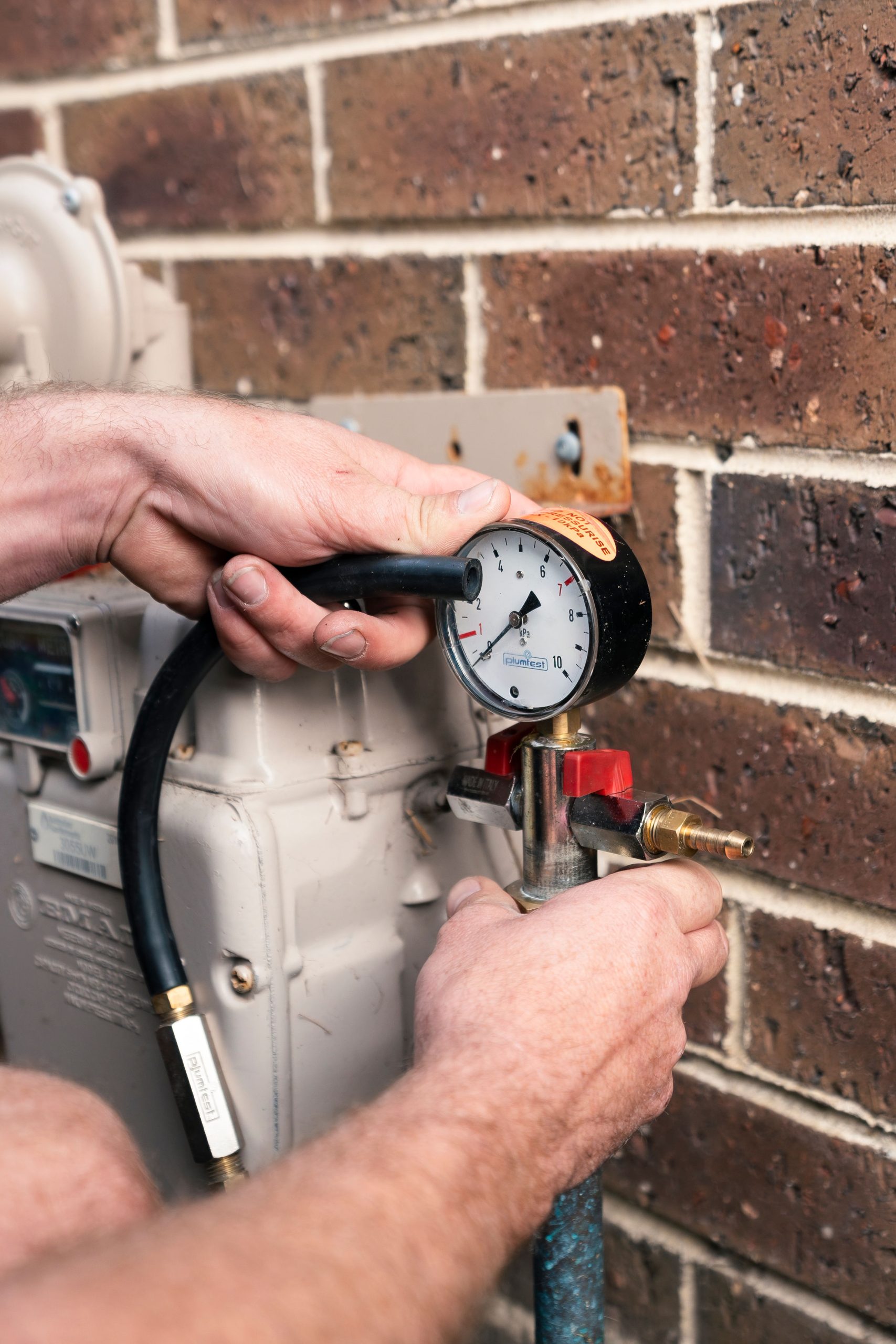
So what happens when a licensed plumber turns up to test your device? It’s less dramatic than people expect. A qualified technician connects specialised gauges to the backflow prevention device and checks that water pressure holds correctly in one direction while confirming no reverse flow occurs under simulated pressure-drop conditions. The whole process usually takes somewhere between twenty and forty-five minutes for a standard residential device, longer for commercial or multi-device sites.
Once complete, you’ll receive a compliance certificate and an updated tag on the device itself, which becomes your proof of testing if a water authority or council ever asks for it. This documentation matters more than people realise — it’s the difference between a smooth annual renewal and a stressful compliance dispute months down the track.
Why This Matters More in Melbourne Specifically
Melbourne’s mix of heritage housing stock, rapid new-build development, and strict Victorian plumbing regulations creates a genuinely unique environment for backflow risk. Older suburbs often have ageing infrastructure that wasn’t designed with modern cross-connection standards in mind, while newer developments sometimes rush installations without accounting for future renovations. Add in Melbourne’s notoriously changeable weather, which affects mains pressure more than people assume, and you’ve got a city where water supply protection genuinely needs consistent, professional attention rather than a “she’ll be right” approach.
Wrapping It Up
At the end of the day, backflow testing isn’t the kind of home maintenance that grabs headlines, but it’s one of the few things standing between your household and a genuinely preventable contamination issue. We’ve walked through five clear signals — pressure drops, ageing or untested devices, discoloured water, recent renovations, and commercial hazard classifications — that all point toward the same conclusion: it’s time to get your device checked by someone qualified. None of these signs are dramatic on their own, which is exactly why they’re so easy to overlook until they become a bigger, costlier problem.
If any of this sounded a little too familiar, don’t wait for the water to look worse before doing something about it. The team at The Plumbing And Roofing Company handles backflow testing Melbourne-wide with the kind of straightforward, no-nonsense service that gets your compliance sorted and your mind at ease. Give us a call, tell us what you’re noticing, and we’ll take it from there — because your family’s or your customers’ water supply deserves better than a “wait and see” approach.
Frequently Asked Questions
How often should backflow testing Melbourne properties actually need it?
For most residential and commercial connections with a testable device, annual testing is the standard requirement under Victorian plumbing regulations, though high-hazard sites like hospitals or industrial facilities sometimes need more frequent checks depending on their water authority’s specific conditions.
Is backflow testing only required for businesses, or do homeowners need it too?
Homeowners absolutely can need it, particularly if they have irrigation systems, pools, spas, or any secondary water source connected to their property, since these create the exact cross-connection points that backflow prevention devices are designed to protect against.
What happens if I skip my scheduled backflow device testing?
You risk both a genuine health and safety issue if contamination occurs, plus potential non-compliance penalties, insurance complications, and in some cases a formal notice from your local water authority requiring immediate rectification before reconnection.
Can I test my own backflow prevention device instead of hiring a plumber?
No, backflow prevention work in Victoria must legally be carried out by a licensed and accredited plumber, since the testing involves specialised gauges and compliance documentation that only a registered practitioner can issue.
How much does backflow testing Melbourne-wide typically cost?
Pricing varies depending on the number of devices, property type, and hazard classification, but most residential single-device tests are a modest, predictable cost, while commercial multi-device sites will naturally sit higher due to complexity and time required.


