

Picture this. It’s a bitterly cold July evening, you’ve just walked in from work, and the heater coughs like an old Kingswood before giving up entirely. Annoying? Sure. But if there’s also a faint whiff of rotten eggs in the hallway, “annoying” stops being the right word.
Most of us treat gas like the quiet flatmate who never causes trouble, right up until the day it does. Heaters, cooktops, hot water systems and barbecues all run on it across the city, and when everything works you barely notice. When something’s off, the signs can be subtle, easy to explain away, or loud enough to rattle the pots. Knowing when to call a Melbourne gas plumber is some of the most useful home knowledge you can pick up.
At The Plumbing And Roofing Company, we’ve walked into plenty of homes where the warning signs had been there for months. Nobody was careless. They just didn’t know what they were looking at. So here are the 10 signs I’d want every Melbourne renter, first-home buyer and homeowner to recognise. Bookmark it, then send it to the mate who keeps ignoring that dodgy pilot light.
What Does a Melbourne Gas Plumber Actually Do?
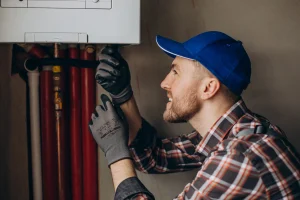
A Melbourne gas plumber is a qualified tradie who installs, repairs, tests and maintains the gas pipes and appliances in your home. In Victoria, that person must be a licensed gas fitter, because gas work is regulated far more tightly than your average tap washer replacement. A small mistake here isn’t a drippy tap. It’s a safety risk for everyone under your roof.
The job covers a lot more than fixing leaks. A good Melbourne gas plumber handles gas fitting Melbourne homes rely on, from running new lines to connecting a cooktop. They also carry out the gas leak detection Melbourne households need when something smells off, and the gas appliance installation Melbourne renovators ask for when upgrading a heater or hot water unit. Think of them as part detective, part mechanic and part safety officer, all in steel-capped boots.
Residential gas plumbing is its own beast, too. Your home runs on lower-pressure supply, smaller pipe networks and appliances that might be anywhere from two to twenty years old. That’s why a regular gas safety inspection Melbourne homeowners book every couple of years is so valuable. It catches the slow, boring problems before they become the loud, expensive ones.
The 10 Warning Signs You Need a Melbourne Gas Plumber
Not every sign below means disaster. Some are early nudges, and some are “stop what you’re doing” moments. I’ve ordered them roughly from most urgent to most sneaky, so you can gauge how fast to act.
1. You Can Smell Rotten Eggs or Sulphur
Natural gas is odourless, so suppliers add a chemical called mercaptan that smells like a boiled-egg sandwich left in a hot car. If you catch that smell near your stove, hot water system or meter box, treat it as a genuine gas leak until a professional says otherwise.
Here’s where people trip up. A faint smell that comes and goes still counts, because gas drifts and dilutes, and your nose may miss it ten minutes later. Call an emergency gas plumber Melbourne residents trust rather than waiting to see if it happens again. Nobody has ever regretted ringing about a smell that turned out to be nothing.
2. You Hear Hissing or Whistling Near Gas Lines
A hiss near a pipe, meter or appliance is gas escaping under pressure. Picture a punctured bike tyre, only with much higher stakes. It can be faint enough that you only notice it in a quiet house at night, which makes it easy to blame the fridge or the neighbour’s pool pump.
Don’t go poking around with a spanner. Open a few windows, leave the area and get a licensed Melbourne gas plumber on the phone. Pinpointing the exact source is a job for proper gas leak detection Melbourne tradies do with calibrated equipment, not a guessing game with a torch and a prayer.
3. Your Gas Flames Are Yellow or Orange Instead of Blue
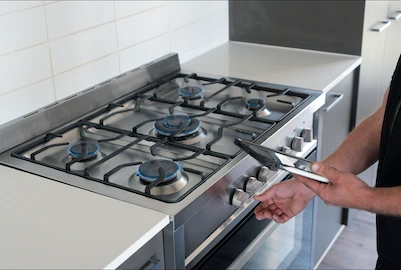
A healthy gas flame burns crisp blue, maybe with a tiny yellow tip. If it’s lazy, flickering and orange, the gas isn’t burning cleanly. That usually points to a blocked burner or poor air supply, and the danger is carbon monoxide, a colourless, odourless gas you can’t detect without an alarm.
Compare it to a campfire. Dry wood burns bright and clean, damp wood smoulders and stinks. Your cooktop is telling you the same thing in its own way. A quick visit from a Melbourne gas plumber to clean and tune the burners is far cheaper than the alternative.
4. You Notice Soot, Scorch Marks or Staining
Black soot behind your heater, brown staining around the flue or scorching near the cooktop all signal poor combustion or poor ventilation. These marks don’t appear overnight, which is the sneaky part. You see them daily, so your brain files them under “normal wear and tear”.
I tell people to snap a photo of their gas appliances once a year and compare. If the marks are spreading, get it looked at. The gas repairs Melbourne homes need at this stage are usually modest, such as cleaning, resealing or adjusting. Wait a year or two and you could be shopping for a whole new unit.
5. The Pilot Light Keeps Going Out
Pilot lights go out occasionally, especially in draughty spots, and relighting one once in a blue moon isn’t alarming. But if you’re relighting the same heater or hot water unit every week, something’s wrong. Common culprits include a faulty thermocouple, a clogged pilot orifice or a gas pressure issue further up the line.
Treat it like a smoke alarm that keeps chirping. You can silence it, but it’s still telling you something. A licensed gas fitter Melbourne locals recommend will test the thermocouple, check the supply and tell you whether it’s a ten-minute fix or an appliance on its last legs.
6. Your Gas Bill Has Crept Up for No Reason
Usage rises in winter, so a bigger bill then is normal. What isn’t normal is a jump while your habits stay the same. If you haven’t started running the heater all day or moved a family of five in, gas may be going somewhere it shouldn’t, or an appliance is burning inefficiently.
A slow leak is rarely dramatic. It’s a tap dripping quietly in the background, costing you a little every day. A gas safety inspection Melbourne households can book will pressure-test the system and confirm whether your pipes are holding. That’s a small outlay compared to months of inflated bills.
7. You or Your Household Feel Unwell Indoors
Headaches, dizziness, nausea and fatigue that ease when you leave the house are classic signs of low-level carbon monoxide exposure. Because they look like the flu or a rough week at work, they’re often brushed off. Pets can show signs too, so if the dog is lethargic and you’re both foggy, pay attention.
This one isn’t about the gas you smell. It’s about the gas you can’t. Get everyone into fresh air, call 000 if anyone is seriously unwell, and have a Melbourne gas plumber inspect your appliances before you use them again. A working carbon monoxide alarm is an inexpensive backup.
8. Dead Patches of Grass Over Underground Pipes
Here’s a strange one. Natural gas leaking from an underground pipe can starve plant roots of oxygen, so a strip of yellowing lawn running from the meter to the house is worth investigating. Other outdoor clues include bubbling in wet soil and a faint smell near the meter.
Underground faults need specialist equipment, and the gas pipe repairs Melbourne properties require in these cases should always be handled by a licensed professional. Digging it up yourself is how a small repair becomes a major incident.
9. Your Appliances Click, Rumble or Struggle to Ignite
A gentle click when a cooktop ignites is normal. A cooktop that clicks endlessly, a heater that rumbles or an oven that takes ages to light is another story. These point to dirty igniters, worn parts or supply issues, and they tend to get worse rather than better.
Age matters as well. Most gas appliances are designed to last roughly 10 to 15 years. If your heater predates your last three phones, book a check. Sometimes a repair makes sense, and sometimes a fresh gas appliance installation Melbourne homeowners can rely on is the smarter long-term call.
10. You Have Corroded Pipes or an Unknown Installation History
Rust, green crusting or flaking paint on visible gas pipes is a red flag, particularly outdoors where weather does its worst. Equally worrying is work done by a previous owner or “a mate who knows a bloke”. If you can’t tell who installed your gas line or whether it was signed off, you’re gambling with your safety and possibly your insurance.
This is common in older Melbourne homes, especially renovated terraces and weatherboards with extensions bolted on over decades. A Melbourne gas plumber can check the installation, test for leaks and confirm everything meets current standards.
What to Do If You Suspect a Gas Leak
Knowing the signs is half the job. Knowing what to do in the moment is the other half. Teach this routine to everyone in your household, including the housemate who thinks gas is “somebody else’s problem”.
- Put out any flames, cigarettes or candles straight away.
- Don’t flick light switches or unplug anything, because a tiny spark can ignite gas.
- Open doors and windows as you leave so the gas can disperse.
- Get everyone, including pets, well away from the property.
- Call 000 if you’re in danger, then ring your gas distributor’s emergency line (it’s on your bill) from outside.
- Once it’s safe, book a Melbourne gas plumber to find and fix the source before you go back in.
Why Licensing Matters More Than You Think
Gas work isn’t a trade where “close enough” is acceptable. Energy Safe Victoria, the state’s technical regulator for gas safety, requires gas work to be done by licensed gas fitters, and completed work must be documented. You can check your obligations and how to verify a licence on the Energy Safe Victoria website before you hire anyone.
A licensed gas fitter Melbourne homeowners hire has been trained to test pressures, check ventilation, size pipes correctly and spot problems that aren’t obvious. They also lodge compliance paperwork, which protects you when you sell or make an insurance claim. Here’s what you’re really choosing between.
| Factor | Licensed Melbourne Gas Plumber | Unlicensed or DIY Approach |
| Legal compliance | Meets Victorian gas regulations | Likely breaches the law |
| Safety testing | Pressure tests and leak checks | Often skipped or guessed |
| Paperwork | Compliance certificates provided | None, which can hurt insurance and resale |
| Long-term cost | Fewer repeat issues | Hidden faults and expensive rework |
How Often Should You Book a Gas Safety Inspection?
A sensible rule is a professional check of your appliances and pipework roughly every two years, and annually for older units. Think of it like a dentist visit. You might feel fine, but small issues get caught before they get painful and pricey. If you’re buying a home or moving into a rental, a gas safety inspection before you settle in is a smart move.
A typical visit takes an hour or two and covers appliance operation, flues, ventilation, leak testing and connections. Many professional gas fitting services also tune burners and advise when something is nearing the end of its life. Landlords have gas safety responsibilities in Victoria, but if you’re a tenant and spot any sign above, report it in writing straight away.
Choosing the Right Melbourne Gas Plumber
Hiring a reliable Melbourne gas plumber shouldn’t feel like dating apps, but the same rules apply: check credentials, read the reviews and trust your gut. Look for a current licence, clear pricing, prompt communication and a willingness to explain things in plain English. A good tradie shows you the problem and your options rather than rushing you into the priciest one.
Also ask about after-hours availability. Gas problems don’t wait for business hours, and Saturday night is when most heaters decide to die. Early action saves money too, since a loose fitting caught now is a quick retest, while a corroded section left for a year can mean full pipe replacement. Servicing early is like checking your car before the road trip, not after the engine seizes in Wodonga.
Conclusion
Gas problems rarely arrive with fireworks. More often they show up as a faint smell, a lazy orange flame, a pilot light that won’t stay lit or a bill that doesn’t add up. The ten signs we’ve covered, from rotten egg odours and hissing pipes to soot marks, dead grass and corroded fittings, are your home’s way of asking for help. Act early, use a licensed professional and book a gas safety inspection every couple of years. A reliable Melbourne gas plumber is the best insurance policy you’ll never regret buying.
If any of these signs sound familiar, don’t wait for the problem to make the decision for you. The team at The Plumbing And Roofing Company is ready to help with everything from gas leak detection and repairs to new appliance installations and urgent callouts. Get in touch today, speak to a friendly local Melbourne gas plumber and get your home checked, fixed and safe. One quick call could save you a lot of stress, money and sleepless nights.
Frequently Asked Questions
1. What does a Melbourne gas plumber do?
A Melbourne gas plumber installs, repairs, inspects and maintains the gas pipes and appliances in your home, including heaters, cooktops, ovens and hot water systems. They must hold a Victorian gas fitting licence. Beyond fixing faults, they carry out leak detection, pressure testing and safety checks that keep your household protected and compliant.
2. How do I know if I have a gas leak at home?
The most common sign is a rotten egg smell, but you might also hear hissing near pipes, see yellow or orange flames, notice dead grass over underground lines or feel unwell indoors. If you suspect a leak, don’t switch anything on or off. Leave the property, call 000 if you’re in danger, then contact an emergency gas plumber in Melbourne from a safe distance.
3. How much does a Melbourne gas plumber cost?
It depends on the job. A callout and basic inspection is typically modest, while installing a new appliance or replacing a section of pipe costs more because of parts and labour. A reputable Melbourne gas plumber will give you a clear quote before starting, so ask for an itemised estimate and compare options before committing.
4. Can I fix a gas problem myself?
No, and I’d gently talk you out of trying. In Victoria, gas work must be done by a licensed gas fitter. DIY repairs can cause leaks, carbon monoxide problems and fire risks, and they may void your insurance. The only safe basics are turning an appliance off at its isolation valve and opening windows if you smell gas.
5. How often should I have my gas appliances checked?
A good rule is every two years for most household appliances, and more often for older heaters or heavily used systems. Regular checks by a licensed Melbourne gas plumber catch small issues early, extend appliance life and help you avoid emergency callouts in the middle of winter.


