

Water leaks can sneak up on us – one minute you’re sipping coffee in the kitchen, the next you’re ankle-deep in a surprise indoor pond. In Melbourne’s ever-changing weather, nobody expects a backyard to turn into a bog, or for damp patches to appear under the wallpaper. Yet hidden water leaks are silent property destroyers, quietly wasting water (and money) while you’re none the wiser. Think of it like a sneaky houseguest: at first it’s just a drip-drip, but before you know it, it’s throwing a party on your walls.
If you spot any odd clues – a mysterious puddle, a permanently green patch on the lawn, or an unusually high water bill – it’s time to play detective. Early signs of a leak aren’t always obvious, and missing them can lead to mold, structural damage or even swollen flooring. That’s when a licensed plumber with the right gear steps in. But how do you know when a leak is a DIY fix (grab the wrench!) versus when you should call in professional water leak detection services? Let’s dive into the telltale signs, clever non-invasive detection methods, and Melbourne-specific factors, so you’ll know exactly when it’s wise to ring up The Plumbing And Roofing Company.
Spotting the Signs: How to Tell You Have a Leak
Water is slippery – it finds cracks and holes effortlessly. The first clue often isn’t a flood but subtle hints. Keep an eye on your water meter and bills: if usage suddenly spikes without a change in your routine (taking longer showers, watering the garden all day), a hidden leak might be sucking up those litres. Sydney Water warns that a continuously running tap or a pumping toilet can waste thousands of litres daily – think 40 litres a day from one dripping tap or 18 buckets from a leaky loo. Your wallet will notice long before you do.
Other red flags include persistent damp patches on walls or ceilings (especially after rain), warped flooring or peeling paint, or an unexplained musty odour. You might even hear it – that faint hissing or trickle behind drywall or in the yard. In Melbourne’s cooler months, a leak can encourage mould or fungi to grow in corners, so any unexplained black spots or a sudden allergy flare-up at home could be hinting at hidden moisture. And don’t forget outside: unusually lush grass or soggy soil during dry spells is a telltale sign of underground water leak detection territory. A sprinkler system, a ruptured irrigation pipe or a cracked sewer line could be secretly flooding your garden.
Even a small, drippy tap deserves attention. As the Queensland Government notes, “One slowly dripping tap can waste more than a bucket of water a week”. Imagine that trickling away for months – that’s hundreds of litres down the drain. In short, if you notice unexplained wetness or hear water where none should be, it’s time to investigate further. Sometimes, these signs alone tell you when to call a professional before the problem balloons.
Simple DIY Checks: Your First Defense
Before grabbing the phone, there are some quick checks you can do yourself – think of it as CPR for your plumbing: Calm, Preliminary Checks, then Ring a plumber if needed. First, do the water meter test. Turn off every tap and appliance (no one flushes the toilet or washes clothes for a little while), then note the meter reading. If after 30–60 minutes the meter has ticked up, you likely have a leak somewhere.
You can also test common culprits yourself. Check toilets by placing a few drops of food colouring in the cistern: if colour seeps into the bowl without flushing, the flapper valve is leaking. The QLD Government’s Waterwise guide recommends this simple trick: put dye in the cistern, wait 5–10 minutes, and if the water in the bowl tints, it’s time for a repair. Inspect taps by wrapping a piece of toilet paper around the spout and seeing if it gets damp. Indoors, look under sinks and around the hot water heater for drips. Outside, turn off your irrigation system and inspect hoses and pipes for damp spots.
Keeping an eye on your water meter regularly (say monthly) is smart home maintenance. Think of it like checking the fuel gauge in your car – it’s quick and tells you if something’s off. If these DIY tips don’t locate the problem or if the readings still climb despite everything being off, it’s a strong clue you have a concealed leak. At that point, a licensed plumber or a water leak detection specialist should have a look.
Quick Leak Check Checklist:
- Turn Off All Water: Make sure no one uses water for an hour.
- Note Your Meter: Record the numbers on your water meter.
- Wait and Re-Check: If the numbers have moved, there’s definitely a leak somewhere.
- Test Toilets: Add food dye to the cistern; if the bowl changes colour without flushing, the cistern seal is leaking.
- Inspect Visible Pipes: Look for wet spots under sinks, around the hot water heater, or in the garden.
When to Call the Experts
Even with all your detective work, some leaks are like ninjas – hidden behind walls or underground. If you’ve done the basics and still suspect something’s wrong, it’s time to ring The Plumbing And Roofing Company’s pros. Here are the clear signals that you should stop DIYing and let a professional handle the leak detection:
- Unexplained High Water Bills: After your DIY meter check, if your bill is still surprisingly high, a concealed leak is likely. A professionally licensed plumber can trace even low-flow leaks that may elude a homeowner. According to Sydney Water, if you can’t locate a large leak yourself, a “plumber with specialist equipment” is needed.
- Visible Structural Damage or Safety Concerns: If you see bulging walls, damp carpet, or sagging ceilings, the situation is urgent. Water intrusion can quickly weaken structures, lead to dangerous mould growth or even electrical hazards. Safety first – call a pro immediately.
- After a Burst Pipe: In the case of a sudden burst or major flood, after shutting off the main water, you need a professional fix and a thorough leak check to ensure no hidden damage remains.
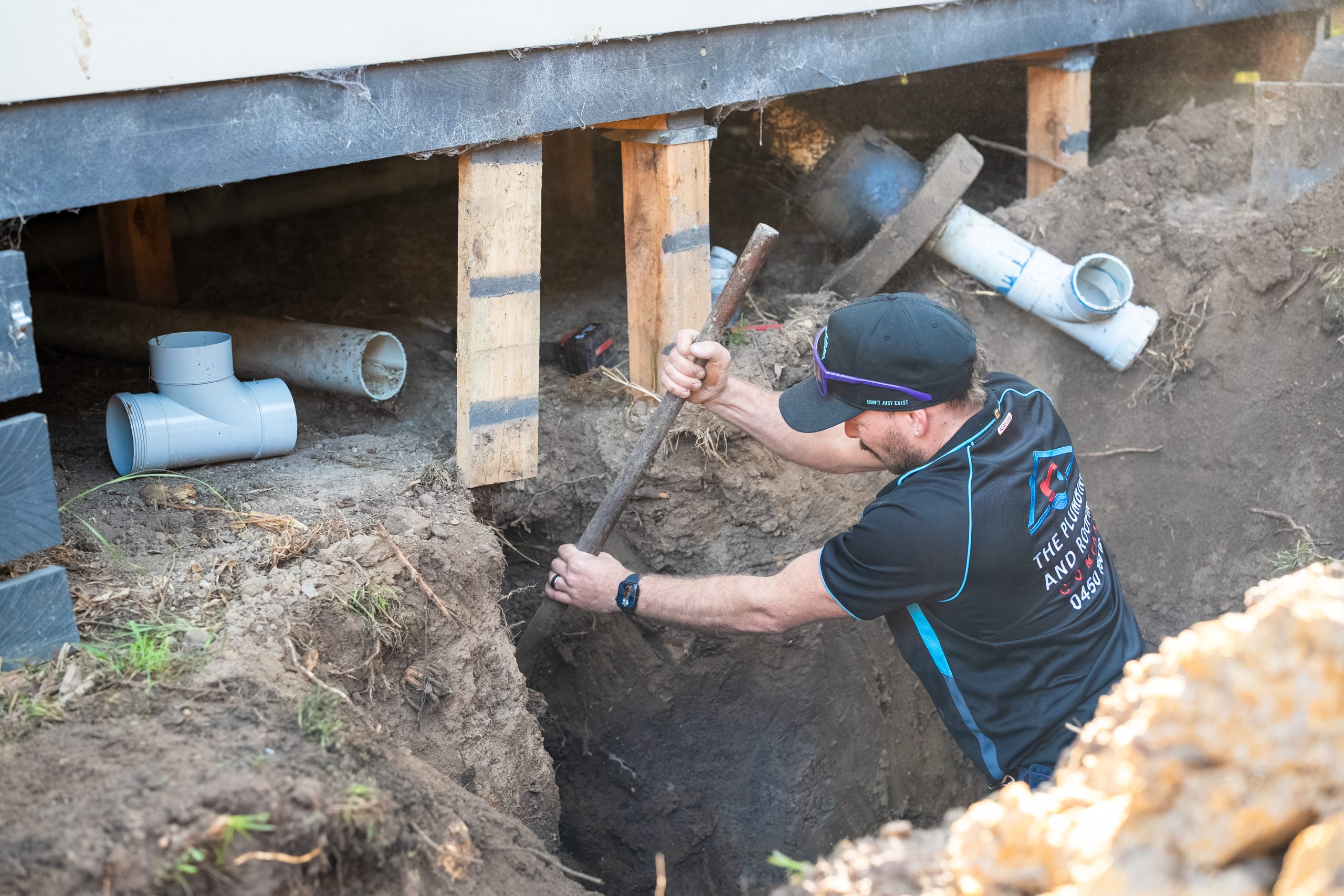
- Garden or Underground Suspicion: If the issue seems to be outside – say your garden has a hidden geyser or your lawn floods – it’s typically beyond DIY. Underground water leak detection often requires specialised gear to pinpoint the source under driveways or concrete.
- When Your Plumbing is Older: Many Melbourne homes have heritage pipes (galvanised iron or lead) or have been through renovations. Aging joints and seals can hide leaks. If your pipes haven’t been inspected for years, proactive professional checks are wise.
Understanding your household water usage can also help identify unusual consumption. For practical guidance on reducing water waste, explore the Australian Government’s water efficiency and saving water recommendations.
In short, whenever the situation is beyond simple fixes, get the experts involved. It might feel like overkill, but remember: a tiny drip can turn into a jet faster than a hail storm filling your gutters. Calling a professional is the difference between a quick repair and a full-scale house renovation.
Non-Invasive Leak Detection Methods
So what do plumbers actually do that you can’t? They bring a toolbox of high-tech detective gadgets to the party. These water leak detection methods are mostly non-destructive – meaning they rarely have to bulldoze your walls or yard to find the culprit. Below is a snapshot of common techniques professionals use:
| Method | How It Works | Best For |
| Acoustic Listening | Mechanics use electronic stethoscopes or ground microphones to hear sounds of water escaping pipes or under slabs. | Hidden pipe leaks, underground slab leaks. |
| Thermal Imaging Camera | Infrared cameras spot temperature differences on walls/floors – a cold spot might reveal moisture, or a hot Water Leak Detection. | Leaks behind walls/floors, underfloor leaks. |
| Pressure Testing | The system is pressurized with air or water; a drop in pressure over time indicates a leak. Monitored by gauge. | Slab leaks, major supply leaks. |
| Video Pipe Inspection | A small waterproof camera travels through drains and pipes, letting plumbers see cracks or blockages inside. | Blocked or cracked sewer lines, accessible pipes. |
| Gas Trace (e.g. Nitrogen/Helium) | An inert gas is pumped into pipes; technicians detect gas escaping through leaks with a gas sensor above ground. | Extremely tight cracks in buried lines. |
Each approach is tailored to the job. For example, if your plaster wall has a wet patch but you don’t want it knocked down, a plumber might wave a thermal camera over it. The image will show a chilly patch where the cool leaking water is, pinpointing the source. Or if the leak is under a concrete slab, an acoustic device (often called a ground microphone) can “listen” for running water in the soil.
This tech-savvy approach saves time, money and mess – after all, no one wants a random hole in the living room floor. Our licensed plumbers at The Plumbing And Roofing Company are trained in the latest non-invasive leak detection techniques, so we can usually locate the problem precisely. Once the leak is found, repairs can be targeted – just cut open the affected spot rather than gutting the whole wall or floor.
Melbourne’s Unique Leak Challenges
Detecting leaks in Melbourne comes with its own quirks. Our mix of Victorian terraces, modern apartments, and suburban homes means a variety of plumbing systems and soils. Melbourne’s climate – hot dry summers and cold winters – can cause pipes to expand and contract, sometimes loosening joints over time. Heavy clay soils (common in eastern suburbs) shrink and swell with moisture, which can crack underground pipes, while sandier soils (like around the bayside) might let leaks flow away quicker without obvious surface signs. Some inner-city areas sit on basalt or rock, meaning leaks don’t always create damp soil spots like they might elsewhere.
The age of a Melbourne home matters too. Older properties might have brass or galvanised pipes, and repairs in these can be trickier than modern PVC plumbing. Heritage building owners should be especially vigilant – a concealed leak under a hardwood floor or behind plasterboard can silently warp century-old timber.
Even the weather can fool you. Melbourne’s famous four-seasons-in-a-day means heavy rain can mimic leak damage (damp walls, roof drips). If you see water, ask: did it happen only when it rains, or even when the sky is clear? A leak will show signs all the time; rain-related dampness usually only during storms.
Bottom line: When checking a Melbourne home, local know-how matters. A plumber familiar with local building styles and climate will zero in faster. For instance, if your garden has a green oasis in the driest spell, we know to suspect an underground leak (maybe a slipped pipe under the concrete). Or if your balcony has black mold patch only in winter, maybe a hidden pipe joint failed. Every odd clue in a Melbourne context often has a logical explanation – and an expert eye sees it.
What to Expect During a Professional Leak Inspection
If you decide to call in The Plumbing And Roofing Company, here’s what usually happens. First, our licensed plumber will verify the issue (often re-doing basic checks just to be sure – e.g., confirming the meter test result). Then, using the clues and technology above, we’ll systematically narrow down the location.
Expect us to use acoustic detectors or thermal cameras over suspect areas. For example, to find a slab leak, we might attach ground microphones to the floor to hone in on the sound of dripping under concrete. If it’s a wall, thermal or moisture meters can scan for damp patches. In tricky cases, a temporary pressure test might be applied to your pipe network to see if/where it leaks (by watching for pressure drops).
All this is done with minimal disruption. If we find the leak, we’ll show you the location and explain the fix. (Usually the repair is simple – tighten or replace a section of pipe, seal a joint, or replace a leaking tap.) We’ll discuss the costs before we do any cutting or digging, so you won’t get surprises. If extensive work is needed, you’ll know exactly why and how long it takes.
Modern leak detection often means “know before you break” – we pinpoint the spot before cracking open the wall. This precision is what sets professional detection apart from random digging. And yes, while we work, you can ask questions. At The Plumbing And Roofing Company we want you informed: we’ll explain what equipment we’re using and how it helps find the leak, so you’re confident the mystery is getting solved.
Costs and Timing
Nobody wants a hidden extra bill, so let’s talk money (and timing). How much does professional leak detection cost? It varies. According to industry guides, a water leak detection service in Australia runs roughly 250–700 per visit. The range depends on your home’s size, accessibility of pipes, and whether the leak is an obvious tap or buried under concrete. For example, quickly fixing a leaking tap might be low-end, whereas tracking an unknown underground leak is on the higher side.
Most plumbers have a callout or inspection fee that includes basic detection. It’s not just a hunch and jackhammer; we use tech equipment that costs to run. If a small repair is needed (like resealing a pipe), that’s usually quoted separately after detection. We always aim to quote upfront before doing extra work.
As for timing, a standard leak detection check can often be done within a few hours or less if it’s a simple case. More complex jobs (like a whole slab test) might take longer or need a follow-up. We typically fit these inspections into a same-day or next-day schedule in emergencies. Speed is important: the longer a leak runs, the worse it gets. That’s why “how fast can you come” is a common question – and yes, our team is set up for quick response.
Preventing Future Leaks
The best fix is prevention. Once we’ve sorted a leak, ask us about future-proofing. It could be as simple as tightening taps or insulating hot water pipes (prevents expansion leaks) or checking rubber washers and seals yearly. We can also inspect high-risk areas: laundry taps, garden hoses, or backflow devices. In hard water areas, mineral buildup can keep valves from sealing; regular maintenance avoids leak surprises.
Consider installing leak alarms or smart meters too. Technology aside from pro gear, there are in-home leak detectors (they beep in presence of water) and smart meters that alert you to unusual usage. Melbourne homeowners on mains water might even look into a concealed-leak allowance with their retailer after fixing a hidden leak – it’s not automatic, but some regions offer billing relief if you prove the leak was fixed (like the QLD scheme). Check with your water authority after you resolve the leak.
Finally, keep an eye on building movement. Slab homes or areas with lots of tree roots should get regular check-ups. Trees love to grow into pipes, and older homes can settle. Every few years, have your plumber take a quick look – a stitch in time (or a twist of a wrench) saves nine (or thousands of dollars in repairs) in our book.
Conclusion:
Water leaks aren’t something to put off. The signs – rising bills, damp spots, odd sounds – are your home’s way of crying out for help. A bit of early attention (checking your meter, stopping drips, calling the pros) can save a fortune in damage and wasted water. Remember, even a small leaking pipe can soak through concrete, warp timber floors and invite mould. Melbourne homes face unique leak challenges, but with the right checks and professional help, you’ll sleep easier knowing your place stays dry and safe.
Next Steps – Call The Plumbing And Roofing Company Today: If anything above sounds familiar, or if you just want peace of mind, give us a call. Our licensed Melbourne plumbers are experienced water leak detection specialists ready to help. We’ll hunt down that rogue leak with minimal fuss, fix it, and get your water bills back under control. Don’t wait until a drip becomes a disaster – contact The Plumbing And Roofing Company for expert leak detection services in Melbourne.
FAQs
Q: How can I tell if I have a hidden water leak in my home?
Look for unusually high water bills, damp patches, mouldy smells or a water meter that keeps moving when everything is switched off. If you cannot find the source, contact a plumber for an inspection.
Q: Can I fix a small leak myself, or should I call a plumber?
Minor issues like dripping taps or worn washers may be suitable for DIY repairs. However, leaks inside walls, under floors or underground should be handled by a licensed plumber.
Q: What does professional leak detection involve, and how much does it cost?
A plumber may use thermal cameras, acoustic sensors and pressure testing to locate the leak. Costs vary depending on the job, accessibility and equipment required. Always request a quote before work begins.
Q: Are underground leaks harder to detect than indoor leaks?
Yes, underground leaks can be difficult to locate because water may travel through soil or beneath concrete. Professionals use specialised equipment to identify the source and minimise unnecessary excavation.
Q: What tools do plumbers use for water leak detection?
Common tools include thermal imaging cameras, acoustic leak detectors, moisture meters and pressure testing equipment. These methods help locate hidden leaks without unnecessarily damaging walls or floors.


