

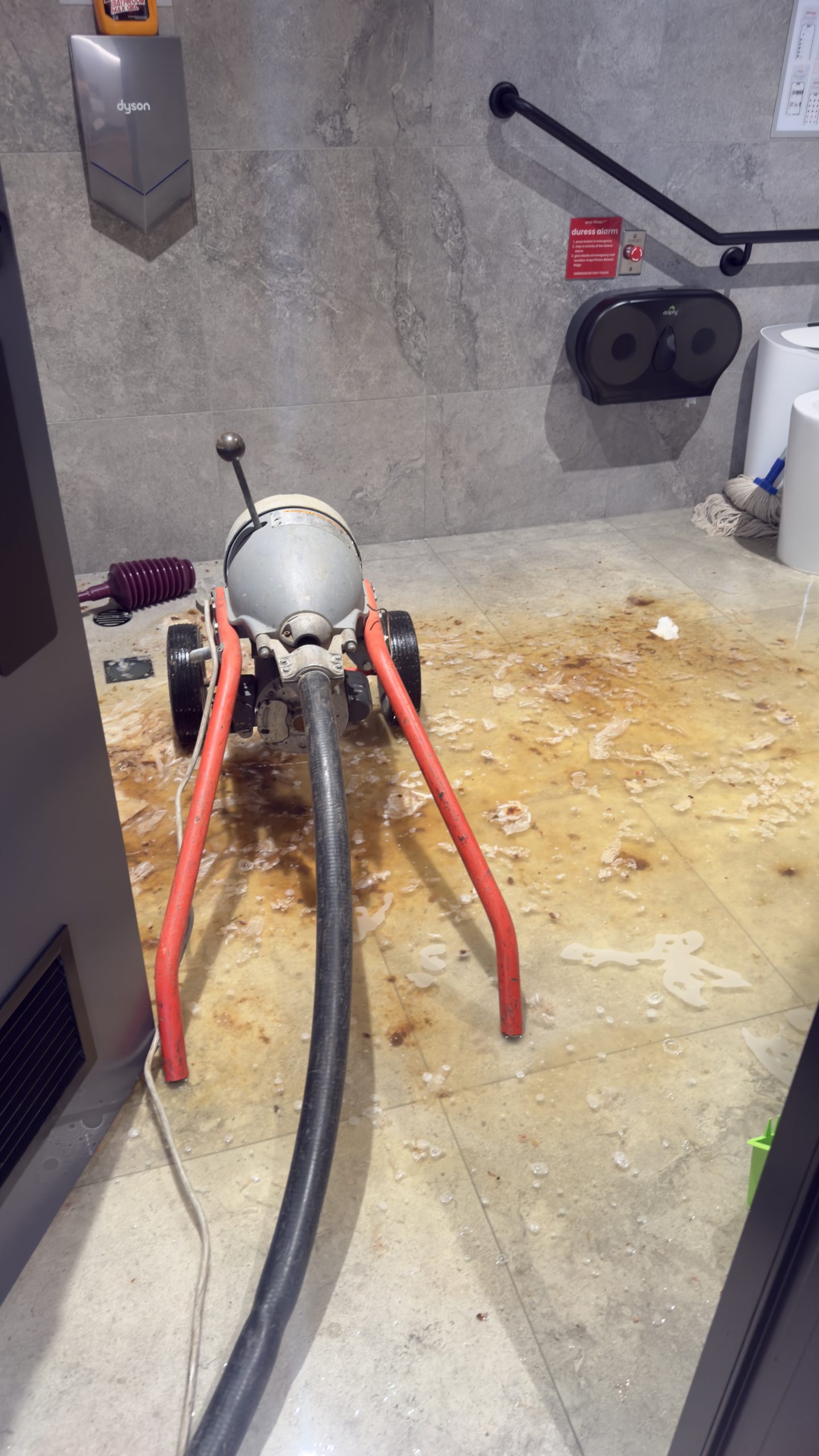
So, how do you know if your drains are blocked? The most common signs include slow-draining water in your sink or shower, gurgling noises from your pipes, unpleasant odours rising from drains, and water pooling around floor grates. Catching these early can save Melbourne homeowners from costly water damage and emergency repairs.
Why Blocked Drains Are a Real Problem in Melbourne Homes
Melbourne’s older suburbs are filled with ageing clay and cast-iron pipework that is especially prone to root intrusion and sediment build-up. In newer growth corridors like Cranbourne and Clyde North, rapid development can put pressure on stormwater and sewer systems that are still bedding in. Either way, blocked drains don’t fix themselves — they get worse over time.
A minor slow drain today can become a sewage overflow tomorrow. Understanding the early warning signs means you can act before a small inconvenience turns into a genuine plumbing emergency.
How Do You Know If Your Drains Are Blocked? The Key Warning Signs
There are several tell-tale indicators that your drainage system is struggling. Some are obvious; others are easy to overlook until the problem escalates. Here’s what to watch for around your home:
- Slow drainage: Water sitting in your sink, shower, or laundry tub long after use is one of the first signs of a partial blockage forming in the pipe.
- Gurgling sounds: A bubbling or gurgling noise from your drain, toilet, or even a nearby fixture suggests trapped air caused by a partial or full obstruction.
- Foul odours: A persistent sewage or rotten smell rising from your drains often indicates decomposing organic matter, grease build-up, or a blockage in the sewer line.
- Water backing up: If water comes back up through a drain — especially when you flush the toilet or run the washing machine — this is a strong sign of a significant blockage downstream.
- Multiple fixtures affected: When more than one drain in your home is slow or backing up at the same time, the blockage is likely in the main sewer line rather than an individual branch pipe.
- Wet patches or sunken ground: Soggy areas in your garden or lawn without recent rainfall can point to a cracked or blocked underground sewer pipe leaking below the surface.
- Overflowing gully trap: A gully trap overflowing with water or waste is a clear sign that your sewer line is blocked and needs urgent attention.
Common Causes of Blocked Drains in Melbourne
Knowing what causes blockages helps you prevent them in the first place. In Melbourne homes, the most frequent culprits include tree root intrusion — particularly from established natives like gums and bottlebrushes — along with grease and fat accumulation in kitchen drain lines, and hair and soap scum in bathroom pipes.
Foreign objects flushed down toilets, such as wet wipes (even those labelled “flushable”), nappies, and cotton pads, are also a leading cause of sewer blockages. Heavy autumn leaf fall and storm debris can block external stormwater drains and downpipes, especially during Melbourne’s unpredictable spring and summer storm season.
What You Can Do Before Calling a Plumber
Not every slow drain requires a professional. There are a few safe, practical steps you can try first. Remove and clean the drain cover or hair catcher — you’d be surprised how often a simple clean resolves the issue. You can also try pouring boiling water slowly down a kitchen drain to help dissolve grease build-up.
A mixture of bicarbonate of soda followed by white vinegar can help break down minor organic blockages in bathroom drains. If you have a plunger, use it on a single blocked sink or shower — ensure there’s enough water in the basin to create a seal before plunging. Avoid using harsh chemical drain cleaners regularly, as these can corrode older pipes and create bigger problems down the track.
If these methods don’t resolve the issue within a reasonable attempt or two, it’s time to stop and call a licensed plumber. Persistent blockages usually mean the obstruction is deeper in the pipe system than DIY methods can reach. For homeowners in Melbourne’s south-east, you can find fast, local help through our emergency plumber in Clyde North or our emergency plumber in Cranbourne North — both available 24/7 with no call-out fee.
How Plumbers Diagnose and Clear Blocked Drains
A licensed plumber has access to tools that go far beyond a plunger. CCTV drain cameras allow them to inspect the inside of your pipes and pinpoint the exact location and cause of a blockage without any digging. This is particularly valuable for identifying root intrusion, collapsed sections, or build-up in your main sewer line.
Hydro-jetting — using high-pressure water to blast through obstructions — is one of the most effective methods for clearing stubborn blockages and cleaning pipe walls. For root intrusion, an electric eel (drain snake) or root cutter attachment is often used. In cases of pipe collapse or severe damage, relining or pipe replacement may be recommended in line with Victorian plumbing licensing standards.
When to Call a Professional
If you’re experiencing multiple blocked fixtures, sewage backing up into your home, foul odours that won’t go away, or soggy ground in your yard, do not delay. These are signs of a serious blockage or pipe failure that can cause significant structural and health risks if left unaddressed.
The Plumbing & Roofing Company provides fast, licensed blocked drain services across Melbourne’s south-east. Whether you’re in Hampton Park, Hallam, Narre Warren, or Lynbrook, our team is ready around the clock. Contact us through our emergency plumber in Hampton Park page or visit our website to book a same-day inspection.
Conclusion
Understanding how do you know if your drains are blocked comes down to paying attention to the early warning signs — slow drainage, gurgling noises, bad smells, and water backing up. Melbourne’s diverse housing stock and climate mean blocked drains are a common issue, but they’re also very treatable when caught early.
Try simple DIY measures first for minor issues, but don’t hesitate to call a licensed plumber when the signs point to something deeper. The Plumbing & Roofing Company is here to help Melbourne homeowners resolve blocked drain issues quickly, safely, and at a fixed price. Reach out today — the sooner you act, the less it’s likely to cost you.
Frequently Asked Questions
How do you know if your drains are blocked versus just slow?
A slow drain could be caused by a partial blockage or a build-up of hair and soap scum near the drain opening. A blocked drain typically involves water that won’t drain at all, gurgling sounds, or sewage odours. If cleaning the drain cover doesn’t help and multiple fixtures are affected, you likely have a more significant blockage further down the line.
Can a blocked drain fix itself?
In very rare cases, a minor organic blockage might shift on its own, but this is not something to rely on. Most blockages caused by grease, roots, or foreign objects will only worsen over time. Ignoring a blocked drain can lead to pipe damage, sewage overflow, and costly repairs — it’s always better to address the issue early.
Is a blocked drain covered by home insurance in Australia?
This depends on your specific policy and the cause of the blockage. Most standard home insurance policies in Australia do not cover gradual blockages or maintenance-related issues, but they may cover sudden damage caused by a blocked pipe, such as internal flooding. Always check your Product Disclosure Statement and speak with your insurer before assuming you’re covered.
How often should Melbourne homeowners have their drains inspected?
For most Melbourne homes, a professional drain inspection every two to three years is a sensible precaution — particularly in older properties or homes with large trees nearby. If you’ve had repeated blockages, an annual CCTV drain inspection can identify root intrusion or pipe deterioration before it becomes a serious and expensive problem.


