

The Real Reason Your Drains Keep Blocking Up
So, why do drains get blocked? In most Melbourne homes, blockages are caused by a gradual build-up of grease, hair, soap scum, tree roots, and foreign objects inside your pipes. Understanding the root cause is the fastest way to stop the problem from coming back — and to avoid a costly plumbing emergency down the track.
Whether you’re dealing with a slow-draining kitchen sink or a completely backed-up bathroom, the cause is almost always one of a handful of common culprits. Let’s break them down so you know exactly what you’re up against.
The Most Common Causes of Blocked Drains in Melbourne
Melbourne’s mix of older inner-suburb homes and fast-growing outer estates means drain problems come in all shapes and sizes. The type of blockage you’re dealing with often depends on the age of your property, your landscaping, and the daily habits of everyone in your household.
Grease and Fat Build-Up in Kitchen Drains
Pouring cooking oil, fats, and food scraps down the kitchen sink is one of the leading causes of blocked drains in Australian homes. These substances might go down as a liquid, but they cool and solidify inside your pipes, narrowing the passage over time. Eventually, the flow slows to a trickle — or stops entirely.
The fix here starts with prevention. Wipe pans with paper towel before washing, and dispose of cooking fat in your general waste bin instead of down the sink.
Hair and Soap Scum in Bathroom Drains
In the bathroom, hair is the number one offender. Every shower washes loose strands down the drain, where they bind together with soap scum and body oils to form a dense, stubborn plug. This is especially common in households with long-haired family members.
A simple drain strainer or hair catcher can dramatically reduce how often your bathroom drain blocks. It’s a cheap, easy fix that saves you a lot of frustration.
Tree Root Intrusion
Melbourne’s leafy suburbs are beautiful — but all those established trees come with a hidden risk. Tree roots naturally seek out moisture, and your underground pipes are a perfect source. Over time, roots can crack and infiltrate older clay or PVC sewer lines, causing partial or complete blockages.
If you’re noticing recurring blockages despite clearing them, tree root intrusion could be the underlying issue. A licensed plumber can use a CCTV drain camera to confirm this without digging up your yard unnecessarily.
Foreign Objects and ‘Flushable’ Wipes
Despite what the packaging says, so-called flushable wipes do not break down in your pipes the way toilet paper does. They’re one of the most common causes of toilet and sewer blockages across Melbourne. The same goes for cotton buds, nappy liners, sanitary products, and paper towels.
The rule is simple: if it’s not toilet paper, it doesn’t go down the toilet. This single habit change can save you from some seriously unpleasant — and expensive — drain emergencies.
Stormwater and Outdoor Drain Blockages
Melbourne’s unpredictable weather — from dry summers to heavy autumn downpours — puts a lot of pressure on outdoor stormwater systems. Leaves, garden debris, dirt, and sediment can quickly overwhelm outdoor drains and pits, especially if they haven’t been cleaned in a while.
Blocked stormwater drains can cause water to pool around your foundations, potentially leading to structural damage over time. Regularly clearing your outdoor drains of leaf litter is a straightforward maintenance task most homeowners can do themselves.
Why Do Drains Get Blocked? It’s Often a Combination of Factors
Rarely is a blocked drain caused by just one thing. In most cases, it’s a combination of issues that have built up over months or even years. Here’s a quick summary of the most common contributing factors:
- Grease, fat, and food scraps in kitchen pipes
- Hair and soap residue in bathroom and laundry drains
- Tree root intrusion in older or established properties
- Foreign objects flushed down toilets
- Collapsed or deteriorated pipes in older Melbourne homes
- Stormwater drains blocked by leaf litter and garden debris
- Incorrect pipe gradient causing slow drainage and sediment build-up
Identifying which of these applies to your situation is the first step toward an effective, lasting solution. Some you can address yourself; others require professional equipment and expertise.
DIY Prevention Tips That Actually Work
You don’t always need a plumber to keep your drains flowing freely. Good habits and a small amount of regular maintenance go a long way. Run hot water down your kitchen sink after washing dishes to help flush grease through the pipes. Use a hair catcher in every shower and bath. Clean your outdoor drain grates before Melbourne’s wet season arrives.
For minor slow drains, a mixture of bicarb soda and white vinegar followed by boiling water can help break down early-stage build-up. Avoid harsh chemical drain cleaners — they can damage older pipes and are harmful to the environment.
If you’re in one of Melbourne’s newer growth corridors, check out our emergency plumber in Clyde North or our emergency plumber in Cranbourne North pages for fast local help when prevention isn’t enough.
When to Call a Professional
Some blockages simply can’t be cleared with a plunger or a bottle of bicarb. If you’re experiencing any of the following, it’s time to call in a licensed plumber:
- Multiple drains blocking at the same time (a sign of a main sewer blockage)
- Gurgling sounds coming from your toilet or floor waste
- Sewage odours inside or around your home
- Water backing up into your shower when you flush the toilet
- Recurring blockages that keep coming back within weeks
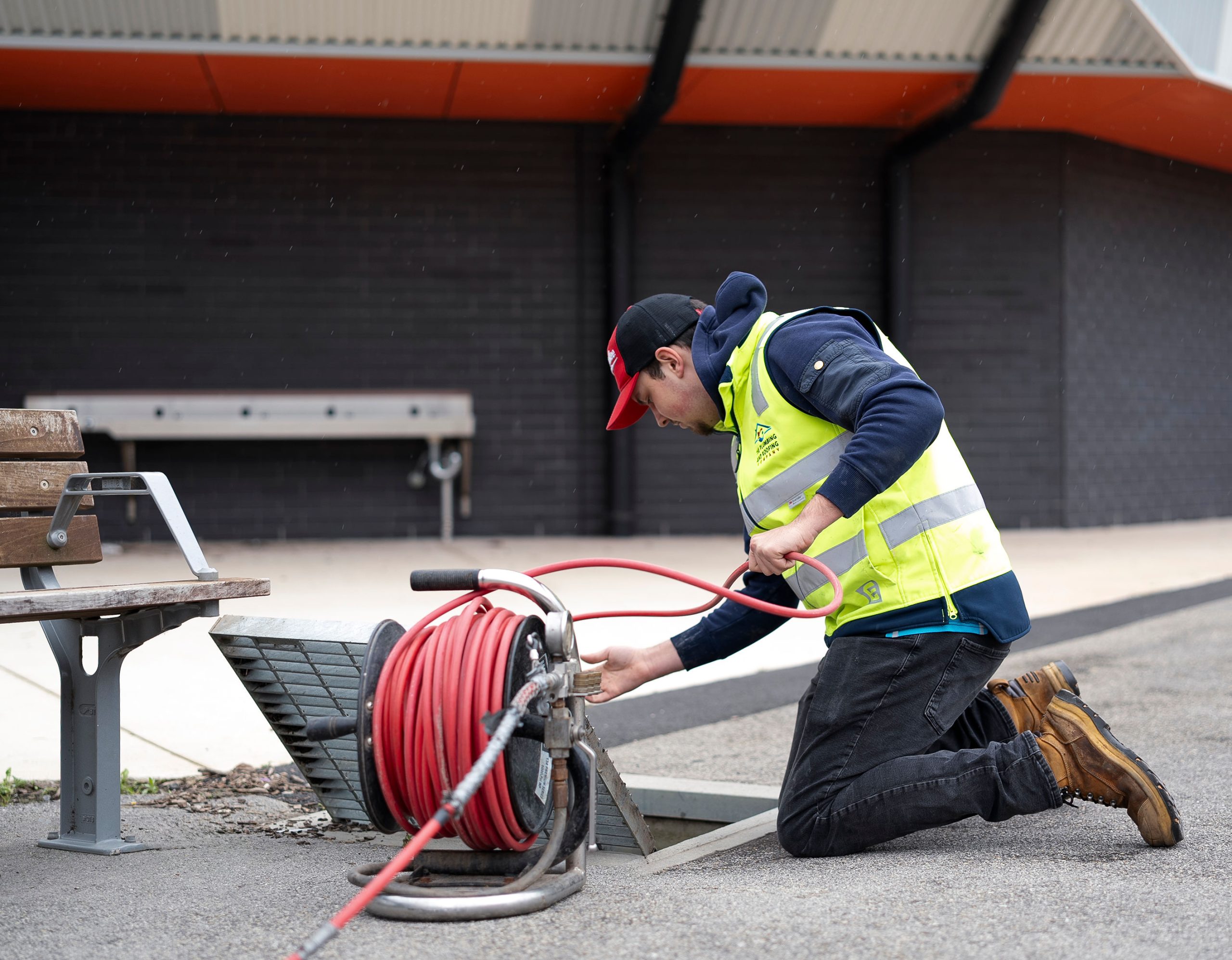
These symptoms point to a deeper issue — possibly tree root damage, a collapsed pipe, or a blockage in the main sewer line — that requires professional drain clearing equipment like a high-pressure water jetter or CCTV inspection camera. Attempting to force these blockages yourself can make things significantly worse.
The Plumbing & Roofing Company provides 24/7 emergency drain services across Melbourne’s south-east. If you’re dealing with a serious blockage right now, don’t wait — contact The Plumbing & Roofing Company for fast, fixed-price help from a licensed local team.
Conclusion
Understanding why drains get blocked puts you in a much stronger position to prevent them — and to act quickly when something goes wrong. The most common causes are grease build-up, hair and soap scum, tree root intrusion, and foreign objects, often working together over time to create a stubborn blockage.
Good daily habits, regular maintenance, and knowing when to call for professional help will keep your Melbourne home’s plumbing running smoothly all year round. If you’re ever in doubt, The Plumbing & Roofing Company is just a call away — with no call-out fees and upfront fixed pricing across Melbourne’s south-east suburbs.
Frequently Asked Questions
Why do drains get blocked so frequently in older Melbourne homes?
Older Melbourne properties often have clay or early PVC pipes that have degraded over decades. These pipes are more susceptible to tree root intrusion, joint separation, and partial collapse — all of which cause recurring blockages. A CCTV drain inspection is the best way to assess the condition of older pipes before problems escalate.
Can I use chemical drain cleaners to unblock my drain?
Chemical drain cleaners can provide temporary relief for minor blockages, but they’re not recommended for regular use. They can corrode older pipes, are harmful to the environment, and rarely address the root cause of the blockage. Bicarb soda and vinegar is a gentler alternative for early-stage slow drains.
How do I know if tree roots are causing my blocked drain?
Signs of tree root intrusion include recurring blockages, gurgling sounds from your drains, slow drainage across multiple fixtures, and sewage odours. The only reliable way to confirm tree root damage is with a CCTV pipe inspection carried out by a licensed plumber.
Are stormwater drains and sewer drains the same thing?
No — stormwater drains and sewer drains are separate systems in Australian homes. Stormwater drains carry rainwater runoff away from your property, while sewer drains carry wastewater from your toilets, sinks, and showers to the mains sewer. Blockages in each system have different causes and require different solutions. For more information on Australian plumbing standards, visit the Victorian Building Authority.


