

How Best to Clean Drains: A Quick Answer for Melbourne Homeowners
Knowing how best to clean drains starts with understanding what’s causing the blockage. For most Melbourne homes, a combination of boiling water, baking soda, and white vinegar will clear minor build-up in kitchen and bathroom drains. For tougher blockages, a drain snake or hydro-jet service is required. Regular maintenance every one to three months prevents most problems before they start.
Why Melbourne Drains Block More Than You Might Think
Melbourne’s older suburbs are home to ageing clay and cast-iron pipe systems that are especially prone to root intrusion and sediment build-up. Even in newer estates across the south-east corridor, grease, hair, and soap scum accumulate faster than most homeowners realise.
The city’s variable climate doesn’t help either. Heavy autumn and winter rainfall pushes debris into stormwater drains, while summer heat can cause fats and oils to solidify quickly inside your kitchen waste pipes. Understanding your local conditions is the first step toward smarter drain maintenance.
DIY Methods: How Best to Clean Drains at Home
Before reaching for harsh chemical drain cleaners — which can corrode older pipes and harm the environment — try these safer, proven methods first. Most of these require nothing more than items already in your pantry or hardware store.
- Boiling water flush: Pour a full kettle of boiling water slowly down the drain in two or three stages. This melts grease and dislodges light soap scum. Ideal for kitchen sinks.
- Baking soda and white vinegar: Pour half a cup of baking soda down the drain, followed by half a cup of white vinegar. Let it fizz for 15–20 minutes, then flush with hot water. This is excellent for bathroom basins and shower drains.
- Drain snake (hand auger): A manual drain snake is inexpensive and effective for clearing hair clogs in shower and bath drains. Feed it in, twist, and pull out the blockage.
- Drain strainer/hair catcher: Prevention is the most underrated method. Fitting a stainless-steel strainer over your shower and bath waste outlets stops the problem before it starts.
- Plunger: A cup plunger works well on basin and sink blockages. Create a firm seal and use steady, consistent plunging strokes rather than frantic pumping.
These methods are genuinely effective for minor to moderate blockages and are worth trying before calling anyone out. Honest advice means telling you that you can handle a lot of this yourself.
Kitchen Drains vs Bathroom Drains: Different Problems, Different Solutions
Kitchen drains are primarily blocked by fats, oils, grease, and food scraps. The best habit you can build is never pouring cooking oil or fats down the sink — collect them in a container and dispose of them in your general waste bin instead. A weekly hot water flush keeps residual grease from solidifying on pipe walls.
Bathroom drains, on the other hand, are mostly blocked by hair, soap scum, and toothpaste residue. A drain strainer and a monthly baking soda and vinegar treatment will keep most bathroom drains flowing freely. If you have long-haired household members, check and clear the strainer weekly.
What About Outdoor and Stormwater Drains?
Melbourne homeowners often overlook their outdoor drains until they’re standing in a flooded backyard during a July downpour. Stormwater drains collect leaves, soil, and debris from your roof and garden, and they need seasonal attention — especially heading into winter.
Clear leaf litter and debris from drain grates regularly. If your stormwater drain is running slowly, a garden hose with good pressure can often shift the blockage. For persistent issues, it’s worth having the drain inspected, as tree root intrusion is extremely common in established Melbourne suburbs. You can find guidance on stormwater management responsibilities through your local council or via Victoria’s water authority resources.
Enzyme-Based Drain Cleaners: A Smarter Chemical Option
If you prefer a product-based solution, enzyme drain cleaners are a far better choice than caustic chemical alternatives. They use natural bacteria to break down organic matter — hair, grease, and soap — without damaging your pipes or harming the environment.
These products work more slowly than caustic cleaners, so they’re best used as a regular maintenance treatment rather than an emergency fix. Apply them overnight when the drain won’t be used, and flush thoroughly in the morning. They’re widely available at hardware stores across Melbourne.
If you’re dealing with recurring blockages despite regular maintenance, it may be worth having a licensed plumber inspect your drainage system to rule out structural issues.
When to Call a Professional
Some drain problems are simply beyond DIY solutions, and attempting to force them can cause expensive damage. You should call a licensed plumber when:
- Multiple drains in your home are blocked simultaneously — this usually indicates a mainline blockage
- You notice gurgling sounds coming from your toilet when you run a tap or shower
- There is sewage odour inside the home, which may indicate a cracked or collapsed pipe
- Water is backing up into your shower or bath when you flush the toilet
- DIY methods have failed repeatedly on the same drain
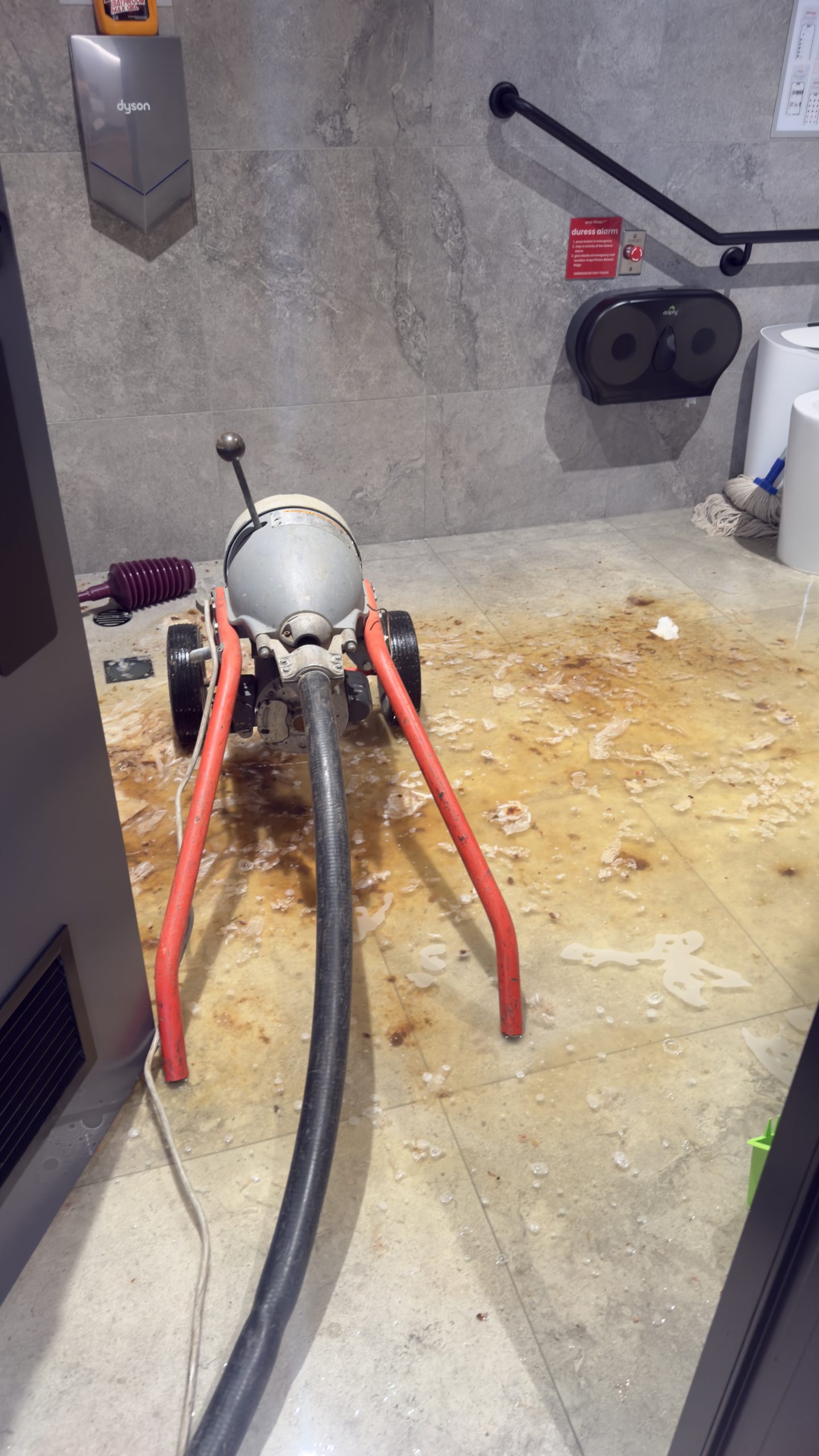
In these situations, a professional plumber will use CCTV drain inspection equipment to locate the exact problem and resolve it correctly the first time. The Plumbing & Roofing Company services Melbourne’s south-east suburbs with 24/7 availability and fixed pricing — so you’re never left dealing with a drain emergency alone. If you’re in the area, our emergency plumber in Narre Warren South and emergency plumber in Cranbourne North teams are ready to respond fast.
Conclusion
Understanding how best to clean drains is one of the most practical skills a Melbourne homeowner can develop. Start with simple preventive habits — drain strainers, regular hot water flushes, and monthly baking soda treatments — and you’ll avoid the vast majority of blockages. When problems go beyond DIY reach, don’t hesitate to call a professional before a manageable issue becomes a costly repair.
The Plumbing & Roofing Company is here to help when you need licensed, reliable drain expertise across Melbourne’s south-east. Whether it’s a stubborn kitchen blockage or a suspected mainline issue, getting the right help early always saves money in the long run.
Frequently Asked Questions
How often should I clean my drains to prevent blockages?
For most Melbourne homes, a monthly maintenance flush using baking soda and hot water is sufficient for bathroom drains. Kitchen drains benefit from a weekly hot water flush given the higher volume of grease and food particles they handle. Outdoor stormwater drains should be checked and cleared of debris at least once before winter and once before autumn.
Are chemical drain cleaners safe to use in Melbourne homes?
Caustic chemical drain cleaners — those containing sodium hydroxide or sulphuric acid — can damage older clay and PVC pipes over time and are harmful to Melbourne’s waterways. Enzyme-based cleaners are a safer alternative for regular maintenance. For stubborn blockages, it’s better to use a mechanical method like a drain snake or call a licensed plumber rather than rely on harsh chemicals.
What is the best way to unblock a shower drain with hair?
The most effective approach is to remove the drain cover and manually pull out as much hair as possible using gloved hands or a hooked wire. Follow this with a baking soda and white vinegar treatment, let it sit for 20 minutes, then flush with hot water. Fitting a hair-catcher strainer afterwards prevents the problem from recurring.
How do I know if my drain blockage is serious enough to call a plumber?
If more than one drain in your home is blocked at the same time, if you can smell sewage inside the house, or if water is backing up into fixtures when you use other plumbing, these are signs of a mainline or sewer issue that requires a licensed plumber with CCTV inspection equipment. These problems won’t resolve themselves and can worsen quickly if left untreated.


