

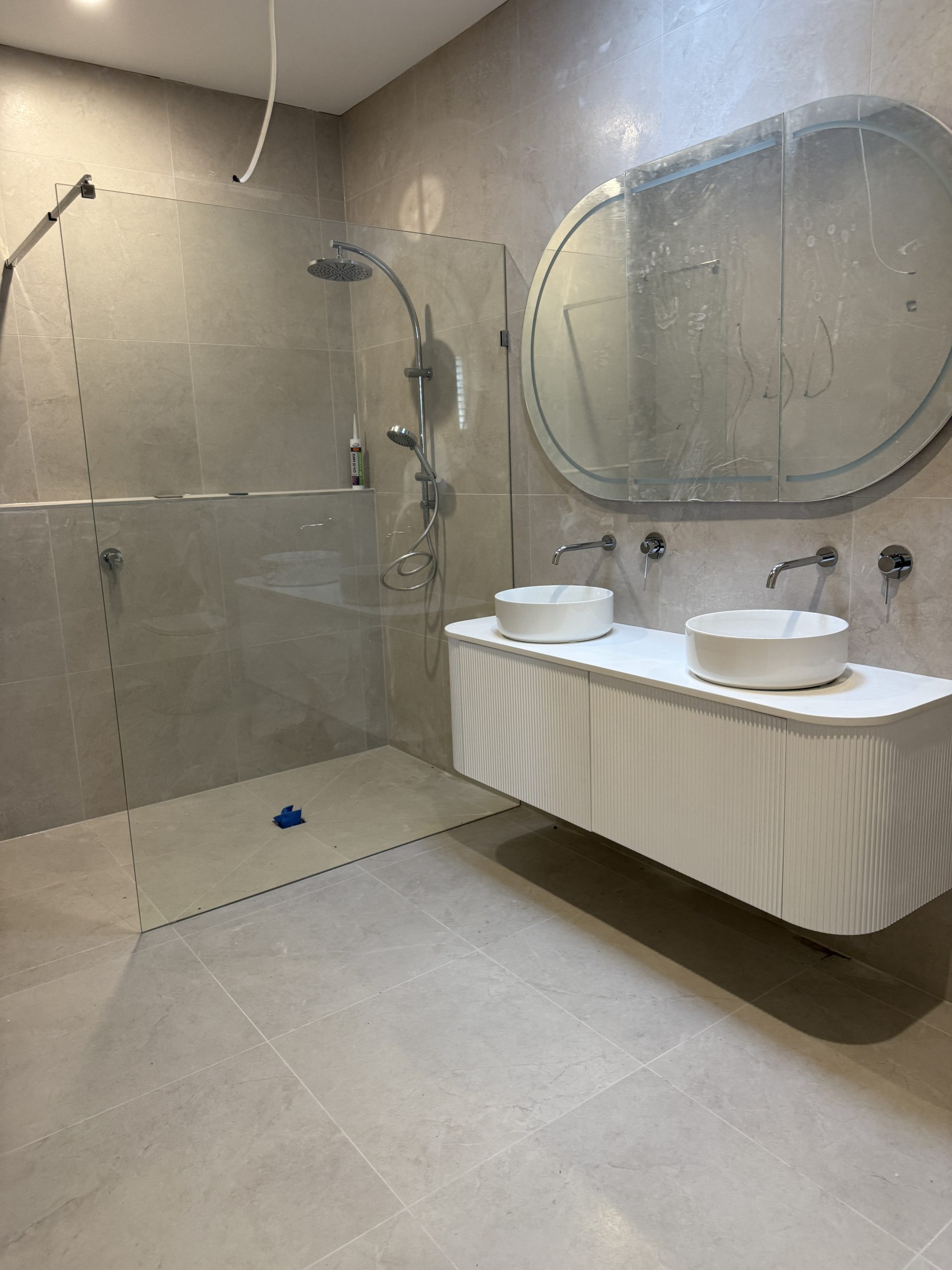
Bathroom Plumbing 2026 Guide
If you’re renovating, building, or dealing with leaks and blockages, understanding bathroom plumbing in 2026 is more important than ever. From hidden pipework behind tiled walls to modern water-saving fixtures, your bathroom’s plumbing system plays a critical role in comfort, hygiene and property value.
In this comprehensive 2026 guide, we’ll cover common bathroom plumbing problems, installation costs in Australia, maintenance tips, and when it’s time to call a licensed plumber.
What Is Included in Bathroom Plumbing?
Bathroom plumbing refers to all water supply, drainage and waste systems connected to fixtures inside your bathroom. This includes:
-
Toilets
-
Showers and shower mixers
-
Basins and taps
-
Floor wastes
-
Hot and cold water lines
-
Vent pipes and drainage connections
Behind the walls and under the floor, a network of pipes connects your bathroom to the home’s main water supply and sewer or stormwater system. Proper installation ensures correct water pressure, safe drainage and compliance with Australian plumbing standards.
How Much Does Bathroom Plumbing Cost in 2026?
Costs vary depending on whether you’re repairing, replacing or installing new plumbing.
Minor Bathroom Plumbing Repairs
Small jobs typically range from $150 to $450. These may include:
-
Fixing a leaking tap
-
Replacing a toilet cistern
-
Clearing a shower drain blockage
-
Repairing a minor pipe leak
The final cost depends on accessibility and parts required.
Full Bathroom Plumbing for Renovations
If you’re renovating or building, plumbing costs usually range from $2,000 to $6,000 or more, depending on:
-
Relocating pipes
-
Upgrading drainage systems
-
Installing new fixtures
-
Waterproofing compliance requirements
-
Labour and materials
Moving a toilet or shower location increases costs significantly because it involves altering waste pipe positioning beneath the slab or floor structure.
In 2026, rising material costs and stricter compliance standards mean professional installation is more important than ever.
Common Bathroom Plumbing Problems in Australian Homes
Even well-built bathrooms can develop issues over time. Here are the most common problems homeowners face.
1. Blocked Shower and Basin Drains
Hair, soap residue and toothpaste build-up commonly cause drain blockage issues. Over time, these materials restrict water flow and create unpleasant odours.
Regular drain cleaning can prevent more serious plumbing issues.
2. Leaking Taps and Mixers
A dripping tap may seem minor, but it wastes water and increases bills. In many cases, worn washers, cartridges or seals are the culprit.
Prompt repairs protect both your plumbing system and your wallet.
3. Toilet Leaks or Constant Running Water
If your toilet won’t stop running, the issue is often inside the cistern. Faulty inlet valves or flush seals are common causes.
Ignoring these problems can lead to higher water usage and potential internal damage.
4. Hidden Pipe Leaks
Hidden leaks behind tiled walls or under flooring can cause mould, structural damage and costly repairs. Signs include:
-
Damp or bubbling paint
-
Mould growth
-
Reduced water pressure
-
Unexplained water bill increases
Professional leak detection tools help locate these problems without unnecessary demolition.
Bathroom Plumbing for Renovations in 2026
If you’re planning a renovation, careful plumbing planning is essential.
Keep Fixtures in the Same Location
Relocating toilets or showers significantly increases labour costs. Keeping fixtures in the same position reduces the need for major pipe adjustments.
Upgrade to Water-Efficient Fixtures
In 2026, many homeowners are choosing WELS-rated fixtures to reduce water consumption. Modern toilets, taps and showerheads improve efficiency without compromising performance.
Ensure Waterproofing Compliance
Australian regulations require compliant waterproofing in wet areas. Proper drainage falls and floor wastes must be installed to prevent water pooling.
Hiring a licensed plumber ensures your bathroom meets all regulatory requirements.
Preventative Maintenance Tips
You can extend the life of your bathroom plumbing with simple maintenance habits.
-
Avoid flushing wipes or sanitary products
-
Install drain strainers in showers
-
Clean floor wastes regularly
-
Check visible pipes for leaks
-
Schedule professional inspections if your home is older
Proactive care helps avoid unexpected repair costs.
When to Call a Professional Plumber
Some issues require expert attention immediately.
Call a licensed plumber if you notice:
-
Persistent drain blockages
-
Sewage odours
-
Water leaking through ceilings
-
Sudden loss of water pressure
-
Cracked or damaged pipes
Delaying repairs can lead to structural damage and more expensive fixes later.
The Plumbing & Roofing Company provides comprehensive bathroom plumbing services, including installations, repairs, drain cleaning and pipe replacement. Our team ensures all work complies with Australian standards and local building codes.
Is DIY Bathroom Plumbing a Good Idea?
While replacing a shower head may be manageable, most bathroom plumbing work in Australia legally requires a licensed professional.
DIY pipe modifications can:
-
Void insurance
-
Breach building regulations
-
Cause hidden water damage
-
Lead to costly rectification work
Professional installation ensures safety, compliance and long-term reliability.
Choosing the Right Bathroom Plumber in 2026
When selecting a plumber, look for:
-
Proper licensing and insurance
-
Transparent pricing
-
Experience with renovations
-
Knowledge of current Australian standards
-
Positive local reviews
An experienced plumber doesn’t just fix problems they help prevent them.
Conclusion
Bathroom plumbing in 2026 is about more than fixing leaks. It’s about efficient water use, compliance, durability and smart renovation planning.
Whether you’re dealing with a simple tap repair or a full bathroom renovation, understanding your plumbing system helps you make informed decisions.
If you need reliable bathroom plumbing services, The Plumbing & Roofing Company offers expert installation, repairs and maintenance across Australia. Contact our team for professional advice and upfront pricing tailored to your home.
FAQ – Bathroom Plumbing 2026 Guide
Q1: How much does bathroom plumbing cost in 2026?
Minor repairs range from $150–$450, while full renovation plumbing typically costs $2,000–$6,000+.
Q2: Can I move my toilet during a renovation?
Yes, but it increases plumbing costs due to waste pipe relocation.
Q3: What causes bathroom drain blockages?
Hair, soap residue and improper flushing are the most common causes.
Q4: Do I need a licensed plumber for bathroom work?
Yes. Most plumbing work in Australia legally requires a licensed professional.


