

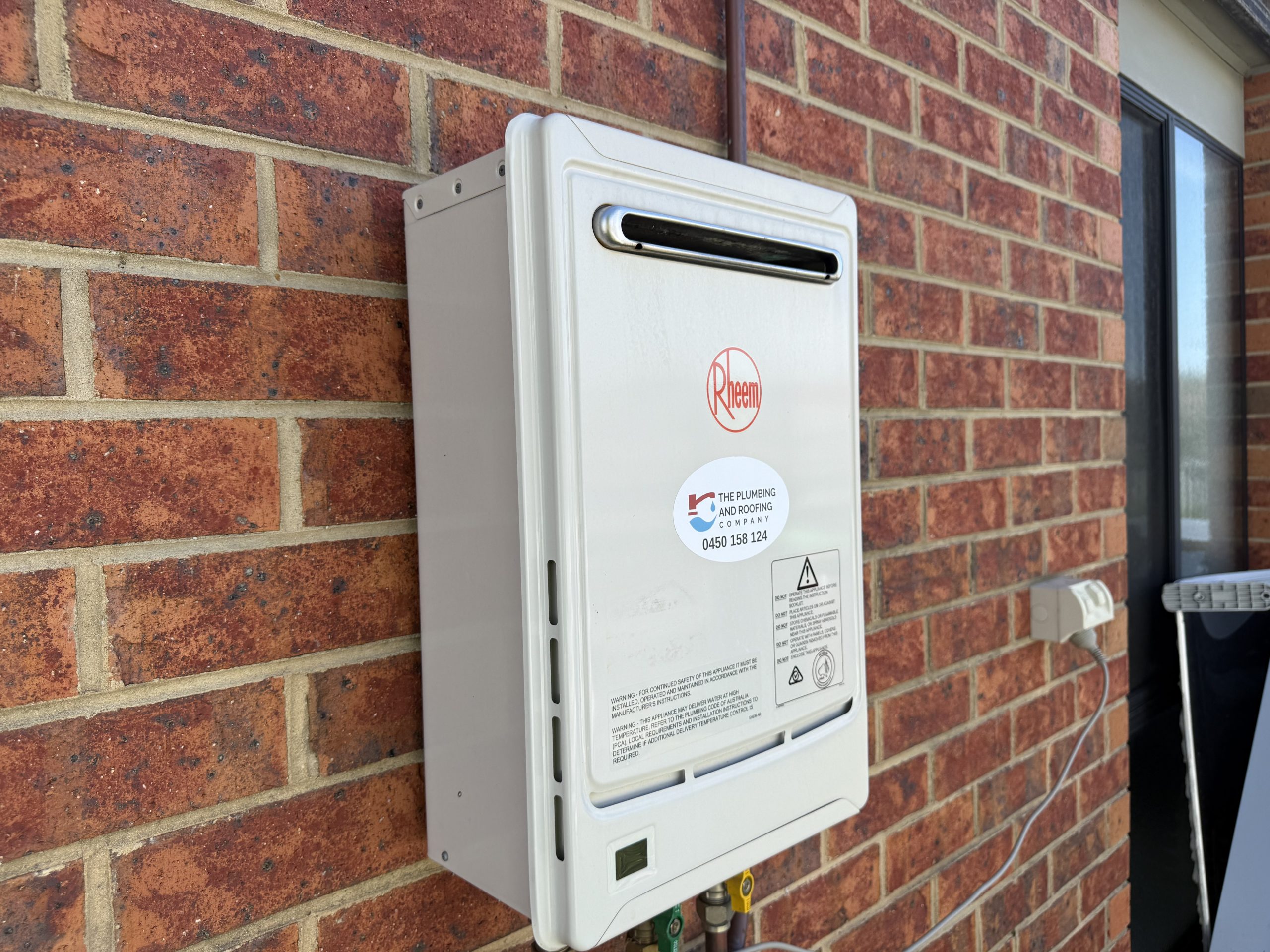
What Does a Pilot Light Going Out Actually Mean?
Knowing how to relight a pilot light on a water heater is one of the most practical skills a Melbourne homeowner can have. When your pilot light goes out, your gas storage water heater simply stops heating water — leaving you with a cold shower and a frustrating morning. In most cases, it’s a straightforward fix you can handle yourself in under ten minutes.
Melbourne’s variable climate means hot water is relied upon year-round, not just in winter. Whether you’re in a newer estate in Clyde North or an established suburb closer to the CBD, gas hot water systems are common across the city — and pilot light issues are among the most frequent service calls plumbers receive.
Why Does a Pilot Light Go Out?
Before you relight anything, it helps to understand why the flame went out in the first place. The most common causes include:
- A temporary interruption to your gas supply
- A faulty or worn thermocouple (the safety sensor that keeps the gas valve open)
- Strong draughts near the unit, particularly in outdoor or semi-enclosed installations
- A dirty or blocked pilot orifice restricting gas flow
- The gas valve being accidentally turned off
If your pilot light keeps going out repeatedly after relighting, that’s a sign something deeper is wrong — likely the thermocouple — and you’ll need a licensed gasfitter to inspect it. A one-off outage, however, is usually nothing to worry about.
Safety First: What to Check Before You Begin
Gas appliances require respect. Before you attempt to relight the pilot light on your water heater, run through these safety checks without skipping a step.
First, smell the area around the unit carefully. If you detect even a faint smell of gas, do not attempt to relight the pilot. Leave the area, ventilate the space by opening doors and windows, and contact your gas distributor or a licensed emergency plumber immediately. In Victoria, gas work must comply with the Energy Safe Victoria guidelines, which set strict requirements for the safe operation and servicing of gas appliances.
If there’s no gas smell and the area is well ventilated, you’re clear to proceed.
How to Relight a Pilot Light on a Water Heater: Step-by-Step
Most gas storage hot water systems in Australian homes follow a similar relighting process. Always consult your unit’s manual first, as instructions can vary slightly between brands like Rheem, Rinnai, and Dux.
- Turn the gas control knob to “Off” and wait at least five minutes. This allows any residual gas to dissipate safely before you introduce a flame.
- Locate the pilot assembly — usually behind a small access panel near the base of the unit. Remove the panel if needed.
- Turn the control knob to “Pilot” and press it down firmly. This manually opens the gas valve to the pilot tube.
- While holding the knob down, use a long-reach lighter or a match to ignite the pilot flame at the pilot burner tip. Keep the knob depressed for 30–60 seconds after ignition to allow the thermocouple to heat up and hold the valve open.
- Slowly release the knob. The pilot flame should remain lit. If it goes out, wait five minutes and repeat the process.
- Turn the control knob to your desired temperature setting (typically “Hot” or the manufacturer’s recommended setting). You should hear the main burner ignite shortly after.
- Replace the access panel and allow 30–60 minutes for your water to reheat fully.
If you’re in Melbourne’s south-east and need guidance specific to your area, the team at Emergency Plumber Cranbourne North is available 24/7 and can walk you through next steps over the phone or attend on-site fast.
How Long Until You Have Hot Water Again?
Once you’ve successfully relighted the pilot and the main burner kicks in, a standard 135–170 litre gas storage system will typically reheat a full tank in 60–90 minutes. Larger tanks or lower-input systems may take a little longer.
If the burner doesn’t ignite within a few minutes of turning the knob to the temperature setting, or if the flame is unusually weak or yellow rather than blue, switch the unit off and call a professional. A healthy gas flame burns consistently blue.
Preventing Pilot Light Problems in the Future
A little maintenance goes a long way with gas hot water systems. Have your unit serviced by a licensed gasfitter every two to three years — this typically includes inspecting the thermocouple, cleaning the pilot orifice, and checking the flue for blockages. Keeping the area around your unit clear of debris and ensuring adequate ventilation also reduces the risk of draught-related outages.
If your system is more than ten years old and repeatedly losing its pilot light, it may be approaching the end of its serviceable life. Upgrading to a modern continuous flow or heat pump system could save you money on energy bills and reduce future headaches. You can explore your options with The Plumbing & Roofing Company, which services Melbourne and the surrounding south-east suburbs.
When to Call a Professional
There are situations where attempting to relight the pilot yourself is not appropriate. Call a licensed gasfitter immediately if:
- You smell gas at any point during the process
- The pilot light won’t stay lit after two or three attempts
- The main burner fails to ignite after a successful pilot relight
- You notice water leaking from the unit, unusual noises, or discoloured water
- The unit is more than 10–12 years old and showing repeated faults
These are signs of a deeper mechanical or gas-related issue that requires professional diagnosis. The Plumbing & Roofing Company offers 24/7 emergency response across Melbourne’s south-east, including Hallam, Lyndhurst, and surrounding suburbs. Don’t risk your safety — call a licensed professional if you’re ever in doubt.
Conclusion
Understanding how to relight a pilot light on a water heater is a valuable skill for any Melbourne homeowner. In most cases, a gone-out pilot light is a minor inconvenience you can resolve safely at home by following the steps above — turning the knob to “Pilot,” holding it down, igniting the flame, and waiting for the thermocouple to engage.
That said, safety always comes first. If gas is present, the flame won’t hold, or the system is showing other warning signs, don’t push through it — call a licensed gasfitter promptly. Regular servicing and knowing your system’s age and condition are the best ways to stay ahead of hot water problems before they become emergencies.
Frequently Asked Questions
How long should I hold down the pilot button before releasing it?
You should hold the pilot control knob down for at least 30–60 seconds after the flame ignites. This gives the thermocouple enough time to heat up and signal the gas valve to stay open. Releasing it too early is the most common reason the pilot goes out again immediately after lighting.
Is it safe to relight a pilot light myself in Melbourne?
Yes, in most cases it is safe to relight a pilot light yourself, provided there is no smell of gas and the area is well ventilated. Always follow the manufacturer’s instructions printed on the unit. If you detect gas or feel unsure at any point, stop and call a licensed gasfitter — in Victoria, gas work beyond basic operation must be carried out by a licensed professional under Energy Safe Victoria regulations.
Why does my pilot light keep going out after I relight it?
A pilot light that repeatedly goes out after relighting is most commonly caused by a faulty thermocouple. The thermocouple is a small sensor that detects the pilot flame and keeps the gas valve open — when it wears out or becomes coated in residue, it can no longer do its job properly. This is not a DIY repair; a licensed gasfitter will need to replace the thermocouple for you.
How do I know if my water heater pilot light is out and not something more serious?
The clearest sign of a pilot light outage is simply no hot water, with no unusual smells or sounds from the unit. You can visually confirm the pilot is out by looking through the viewing window or removing the access panel — there will be no small blue flame visible near the burner assembly. If you notice a gas smell, water leaking, or strange noises alongside the lack of hot water, these point to a more serious issue and you should contact a licensed plumber immediately.


