

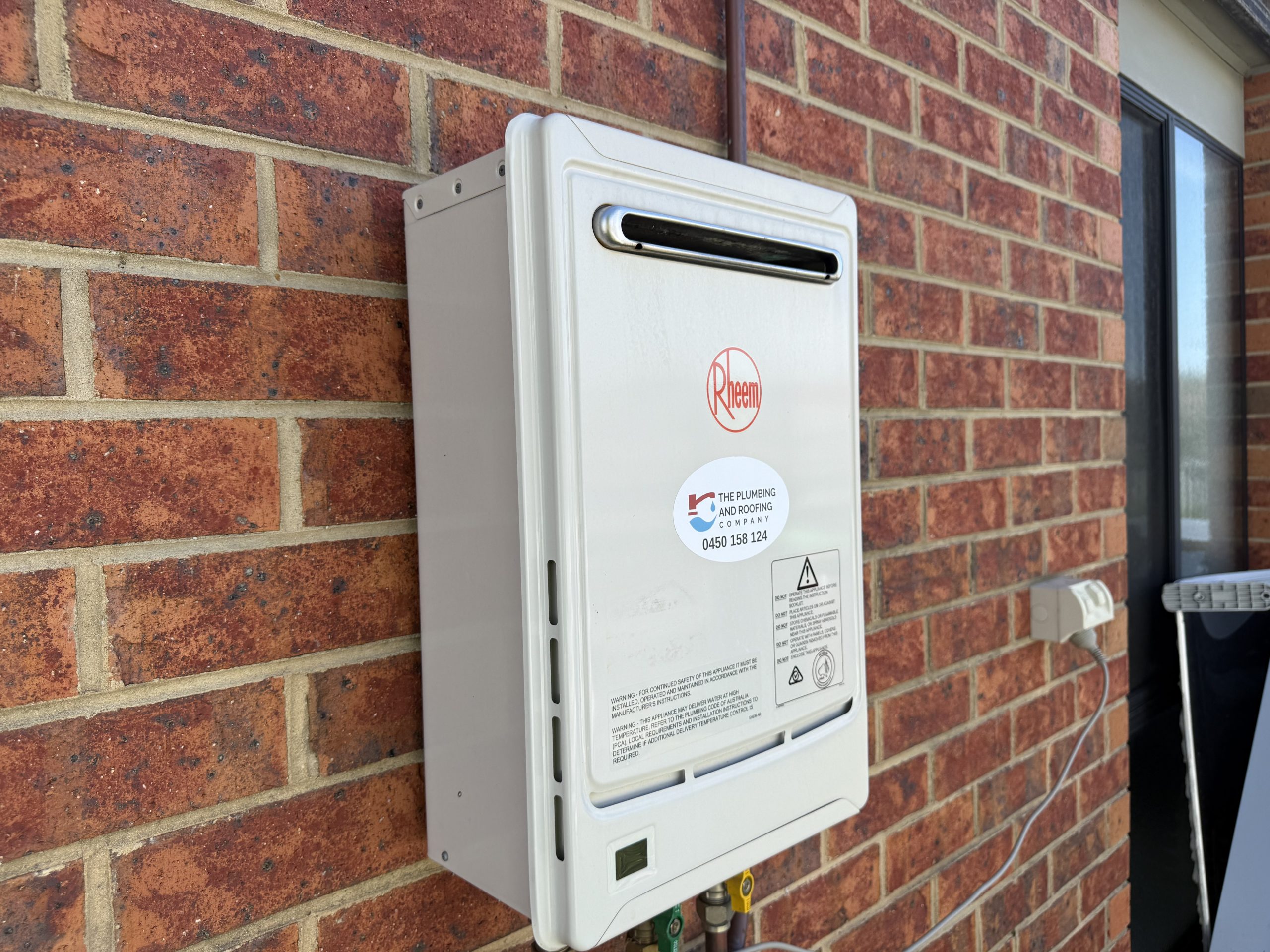
Why Your Hot Water System Needs an Anode Rod
Knowing how to replace an anode rod is one of the most valuable pieces of maintenance knowledge any Melbourne homeowner can have. In simple terms, the anode rod is a sacrificial metal rod — typically made from magnesium or aluminium — that sits inside your hot water tank and corrodes slowly over time so your tank doesn’t have to. Replace it on schedule, and your system can last 15 years or more. Ignore it, and you’re looking at a rusty, leaking tank well before its time.
Melbourne’s water supply varies across suburbs, and in areas with harder or more mineralised water, anode rods can deplete faster than the standard five-year recommendation. If you’ve never checked yours, now is the time.
How an Anode Rod Protects Your Hot Water Tank
Inside your storage hot water system, the steel tank lining is constantly exposed to hot water and oxygen — a recipe for corrosion. The anode rod works through a process called galvanic protection: it attracts corrosive elements in the water to itself, sacrificing its own material to shield the tank walls. Once the rod is fully depleted, those corrosive elements start attacking the tank directly.
Most Australian hot water systems use either magnesium or aluminium-zinc alloy rods. Magnesium rods are generally better suited to softer water, while aluminium-zinc rods perform well in harder water conditions — which is worth considering depending on your specific Melbourne suburb.
Tools and Materials You’ll Need
Before you start, gather everything so the job goes smoothly. You’ll need:
- A replacement anode rod (matched to your tank brand and water type)
- A 1-1/16 inch (27mm) socket wrench or a purpose-made anode rod socket
- A torque wrench
- Teflon (PTFE) tape for sealing threads
- A garden hose for draining
- Protective gloves and eye protection
- A bucket or towels for any spills
Replacement anode rods are available at most plumbing supply stores across Melbourne. Always check your hot water system’s manual or the manufacturer’s website to confirm the correct rod specification for your model.
Step-by-Step: How to Replace an Anode Rod in Your Hot Water System
Follow these steps carefully. If at any point you feel uncertain, stop and call a licensed plumber — there’s no shame in knowing your limits.
- Turn off the power or gas. For electric systems, switch off the circuit breaker. For gas systems, turn the gas valve to the pilot position.
- Shut off the cold water supply. Locate the cold water inlet valve on top of the unit and turn it off.
- Relieve pressure. Open a hot water tap anywhere in your home to release pressure from the system.
- Partially drain the tank. Connect a garden hose to the drain valve near the base and drain enough water to lower the level below the anode rod port — usually around 10 litres is sufficient.
- Locate and remove the old rod. The anode rod is typically found under a plastic cap on top of the unit, or sometimes beneath the insulating jacket. Use your socket wrench to unscrew it — it may be quite tight, so brace the tank firmly.
- Inspect the old rod. If it’s reduced to a thin wire core or heavily coated in calcium, it’s well overdue for replacement.
- Wrap the new rod’s threads with PTFE tape. Apply two to three layers in the direction of the thread to ensure a watertight seal.
- Install the new rod. Hand-tighten first, then use your torque wrench to tighten to the manufacturer’s specification — typically around 50–70 Nm. Do not overtighten.
- Restore water and power. Turn the cold water supply back on, let the tank refill fully, then restore power or gas. Check for any leaks around the rod port.
How Often Should You Replace Your Anode Rod in Melbourne?
The general industry recommendation is to inspect your anode rod every two to three years and replace it every five years. However, Melbourne households with water softeners, or those using recirculating hot water systems, may find their rods deplete more quickly. If your hot water smells sulphurous or your tank is making rumbling noises, these are strong signs the anode rod needs immediate attention.
For newer homes in growth corridors like Clyde North or Cranbourne North, where water quality can differ from established suburbs, it’s worth keeping a closer eye on your system’s maintenance schedule. You can find general guidance on hot water system safety through Energy Safe Victoria, the state’s energy safety regulator.
When to Call a Professional
While replacing an anode rod is a manageable DIY task for a confident homeowner, there are situations where calling a licensed plumber is the right move. If your tank shows signs of rust or corrosion around the seams, if the anode rod port is seized and won’t budge, or if you discover the rod has been depleted for a long time and the tank lining may already be compromised, professional assessment is essential.
Similarly, if your hot water system is approaching the end of its serviceable life — typically 8 to 12 years for a storage tank — a plumber can advise whether repair or full replacement makes more financial sense. The Plumbing & Roofing Company services Melbourne’s south-eastern suburbs, including areas like Narre Warren South and Cranbourne North, with licensed plumbers available 24/7. Don’t wait until a small maintenance issue becomes a flooded laundry — call The Plumbing & Roofing Company for a professional inspection today.
Conclusion
Understanding how to replace an anode rod is genuinely one of the best investments of your time as a Melbourne homeowner. This single maintenance task can add years to your hot water system’s life, prevent costly corrosion damage, and save you from the inconvenience of an unexpected cold shower. Inspect your rod every two to three years, replace it on schedule, and always use the correct rod type for your water conditions.
If you’re ever unsure about the condition of your system or need a hand with the job, a licensed local plumber is just a phone call away. Proactive maintenance now means fewer emergency callouts later — and a hot water system that works reliably through every Melbourne winter.
Frequently Asked Questions
How do I know if my anode rod needs replacing?
Common signs include a sulphurous or rotten egg smell from your hot water, discoloured or rusty water, and rumbling or popping sounds from the tank. Visually, if the rod is reduced to less than 6mm in diameter or heavily coated in calcium deposits, it’s time for a replacement. Inspecting it every two to three years is the best way to stay ahead of the problem.
Can I replace an anode rod myself, or do I need a licensed plumber?
In Victoria, replacing an anode rod is generally considered a maintenance task rather than licensed plumbing work, so a confident DIYer can handle it with the right tools. However, any work involving the gas supply, pressure relief valves, or water supply connections must be carried out by a licensed plumber under Australian standards. When in doubt, always consult a professional.
What type of anode rod is best for Melbourne water?
Melbourne’s water is generally considered soft to moderately mineralised, which makes magnesium anode rods a good default choice for most households. However, if you have a water softener installed, an aluminium-zinc rod is typically recommended, as softened water can cause magnesium rods to deplete much faster than normal. Check your system’s manual for the manufacturer’s recommendation.
How long does it take to replace an anode rod?
For a prepared homeowner with the right tools, the job typically takes between 30 minutes and one hour. The most time-consuming part is usually partially draining the tank and waiting for pressure to equalise. If the rod is severely corroded or seized in place, it may take longer — and that’s a good sign to call in a licensed plumber rather than risk damaging the tank. For more about what we do, visit our homepage.


