

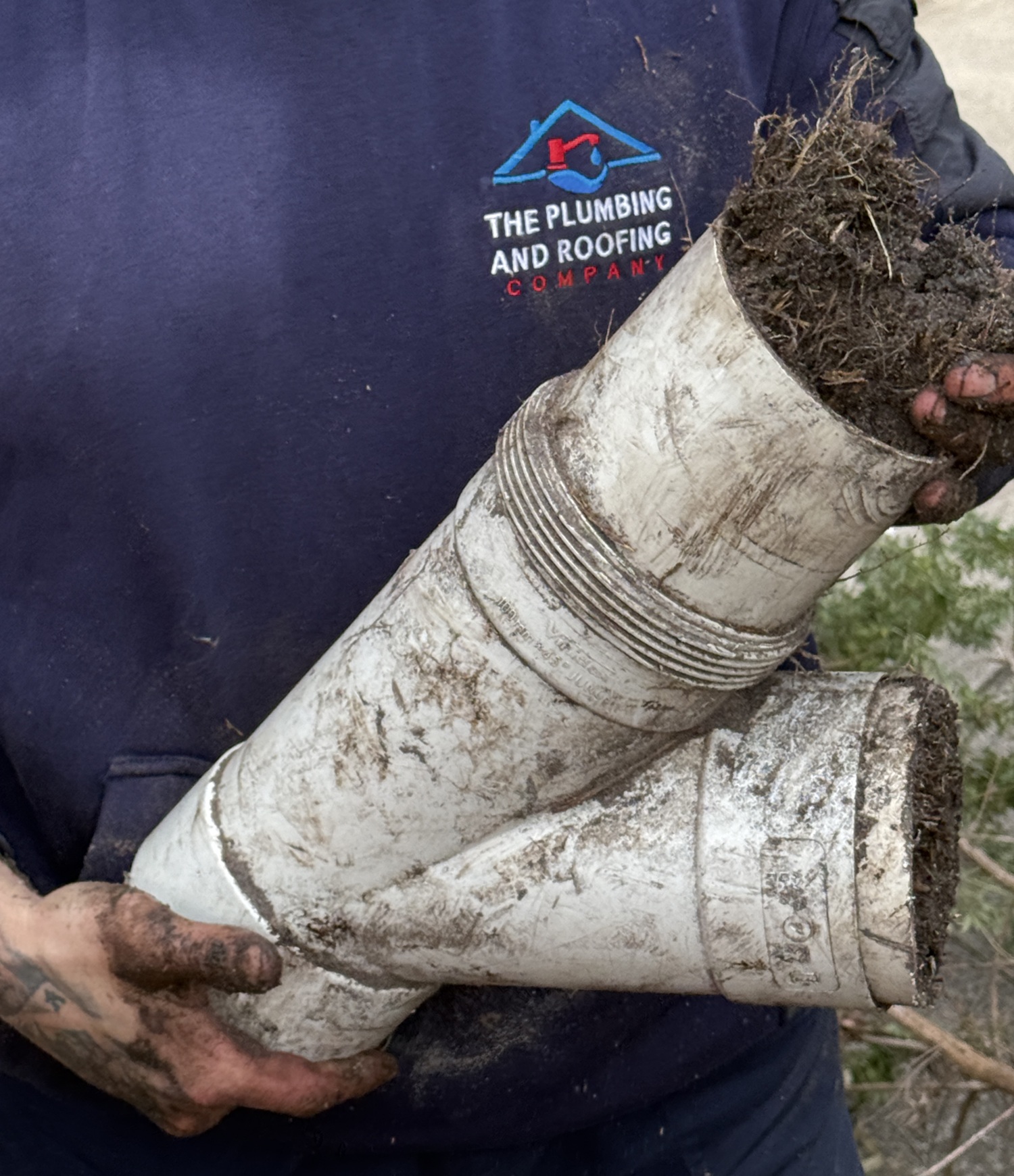
Why Blocked Outside Drains Are a Real Problem in Melbourne
Knowing how to unblock drains outside is one of the most practical skills a Melbourne homeowner can have. A blocked outdoor drain can cause water to pool around your foundations, flood your garden, and even seep into your home — particularly during Melbourne’s unpredictable autumn and winter downpours.
Outside drains — including stormwater pits, grated channel drains, and downpipe outlets — are constantly exposed to leaves, soil, and debris. If left unattended, a minor blockage can escalate into a costly drainage problem very quickly.
Common Causes of Blocked Outdoor Drains
Before you reach for the drain snake, it helps to understand what’s causing the problem. Melbourne’s established suburbs are lined with large deciduous trees that shed heavily in autumn, and new growth estates in the south-east often deal with clay-heavy soil washing into drainage pits.
The most common culprits behind blocked outdoor drains include:
- Accumulated leaf litter and organic debris
- Silt and clay soil build-up, especially in Melbourne’s south-east
- Tree root intrusion into stormwater pipes
- Collapsed or cracked drain pipes (common in older homes)
- Grease and sediment from outdoor washing areas
- Rubbish or foreign objects lodged in the drain grate
Identifying the cause early makes the unblocking process much more straightforward — and helps you prevent it from happening again.
Tools You’ll Need Before You Start
Most minor blockages can be tackled with equipment you either already own or can pick up from your local hardware store. Having the right tools on hand saves time and avoids unnecessary mess.
Here’s what you’ll want ready:
- Rubber gloves and safety glasses
- A garden trowel or small spade
- A stiff-bristled brush or drain cleaning brush
- A garden hose with a high-pressure nozzle
- A hand-operated drain auger (drain snake)
- A bucket for removing debris
For more stubborn blockages, a high-pressure water jetter attachment for your hose can be a worthwhile investment. These are available at most hardware stores and can shift compacted debris that a snake simply won’t reach.
How to Unblock Drains Outside: Step-by-Step
Follow these steps carefully and you’ll resolve most standard outdoor drain blockages without needing to call anyone out.
- Clear the surface first. Remove the drain grate and scoop out any visible debris — leaves, mud, and sediment — using your gloved hands or a trowel. Place everything into a bucket for disposal.
- Flush with water. Run your garden hose into the drain at full pressure. Watch whether the water drains freely or backs up. If it backs up, the blockage is deeper in the pipe.
- Use a drain snake. Feed the auger into the drain opening and turn it clockwise as you push it forward. When you feel resistance, you’ve hit the blockage. Continue turning to break it apart or hook it so you can pull it out.
- Flush again. Once you’ve broken up or removed the blockage, flush the drain thoroughly with your hose to clear any remaining debris downstream.
- Clean and replace the grate. Scrub the grate with your brush, rinse it clean, and replace it securely.
- Test the drain. Pour a full bucket of water into the drain and confirm it flows away freely without pooling.
If the drain still isn’t flowing properly after completing these steps, the blockage may be deeper in your stormwater system or there could be a structural issue with the pipe itself.
Preventing Future Blockages in Your Outdoor Drains
Regular maintenance is far cheaper than emergency callouts. In Melbourne, the best times to inspect and clean your outdoor drains are in late autumn after the leaves have fallen and again in early spring before the heavier rains arrive.
A few simple habits make a big difference. Install leaf guards over drain grates, trim overhanging trees near drainage lines, and avoid letting soil or mulch wash freely across paved areas toward your drains. If you have a property with significant tree coverage, a quarterly check of your stormwater pits is well worth the ten minutes it takes.
You can also learn more about maintaining your home’s plumbing system by visiting The Plumbing & Roofing Company’s website for helpful guides and local service information.
When to Call a Professional
Some blocked drain situations go beyond what a garden hose and drain snake can fix. If you’ve worked through all the steps above and the drain is still backing up, it’s time to bring in a licensed plumber. Under Australian Standard AS/NZS 3500.3, stormwater drainage systems must be maintained to prevent overflow and property damage — and certain repairs can only be carried out legally by a licensed tradesperson.
You should call a professional immediately if you notice any of the following:
- Water is pooling around your home’s foundations
- Multiple outdoor drains are blocked at the same time
- You can see or smell sewage near an outdoor drain
- The blockage returns within days of clearing it
- You suspect tree root intrusion or a collapsed pipe
If you’re in Melbourne’s south-east, The Plumbing & Roofing Company’s emergency plumber in Cranbourne North is available 24/7 with no call-out fee. For residents further south, there’s also a dedicated emergency plumber in Clyde North ready to respond fast. Don’t wait for a minor blockage to become a flooded backyard — get expert help at the first sign of a serious problem.
Conclusion
Understanding how to unblock drains outside gives you the confidence to handle most everyday blockages quickly and safely. By clearing debris, using a drain snake, and flushing your stormwater drains regularly, you can protect your Melbourne home from water damage and avoid costly emergency repairs.
The key takeaways are simple: act early, use the right tools, maintain your drains seasonally, and know when the job is beyond a DIY fix. When in doubt, a licensed plumber is always your safest option — and the team at The Plumbing & Roofing Company is ready to help whenever you need them.
Frequently Asked Questions
How do I know if my outside drain is blocked?
The most obvious signs are water pooling around the drain grate after rain, slow drainage from outdoor areas, or a gurgling sound coming from the drain. If water is backing up rather than flowing away, you almost certainly have a blockage that needs attention.
Can I use chemical drain cleaners on outside drains?
Chemical drain cleaners are generally not recommended for outdoor stormwater drains. They can damage older pipes, are harmful to the environment, and are rarely effective against the type of debris — leaves, soil, and roots — that blocks outdoor drains. Mechanical methods like a drain snake or high-pressure flushing are far more effective and safer.
Who is responsible for outside drains — me or the council?
In Victoria, homeowners are generally responsible for maintaining the stormwater drainage on their private property up to the point where it connects to the council’s infrastructure. If the blockage is in the public drain or council pit beyond your property boundary, contact your local council. Melbourne Water also provides guidance on drainage responsibilities across the greater Melbourne region.
How often should I clean my outdoor drains in Melbourne?
For most Melbourne properties, cleaning outdoor drains twice a year is sufficient — once in late autumn after leaf fall and once in early spring. However, if your property has heavy tree coverage or is in an area prone to clay soil runoff, quarterly inspections are a smart precaution to avoid serious blockages during Melbourne’s wetter months.


