

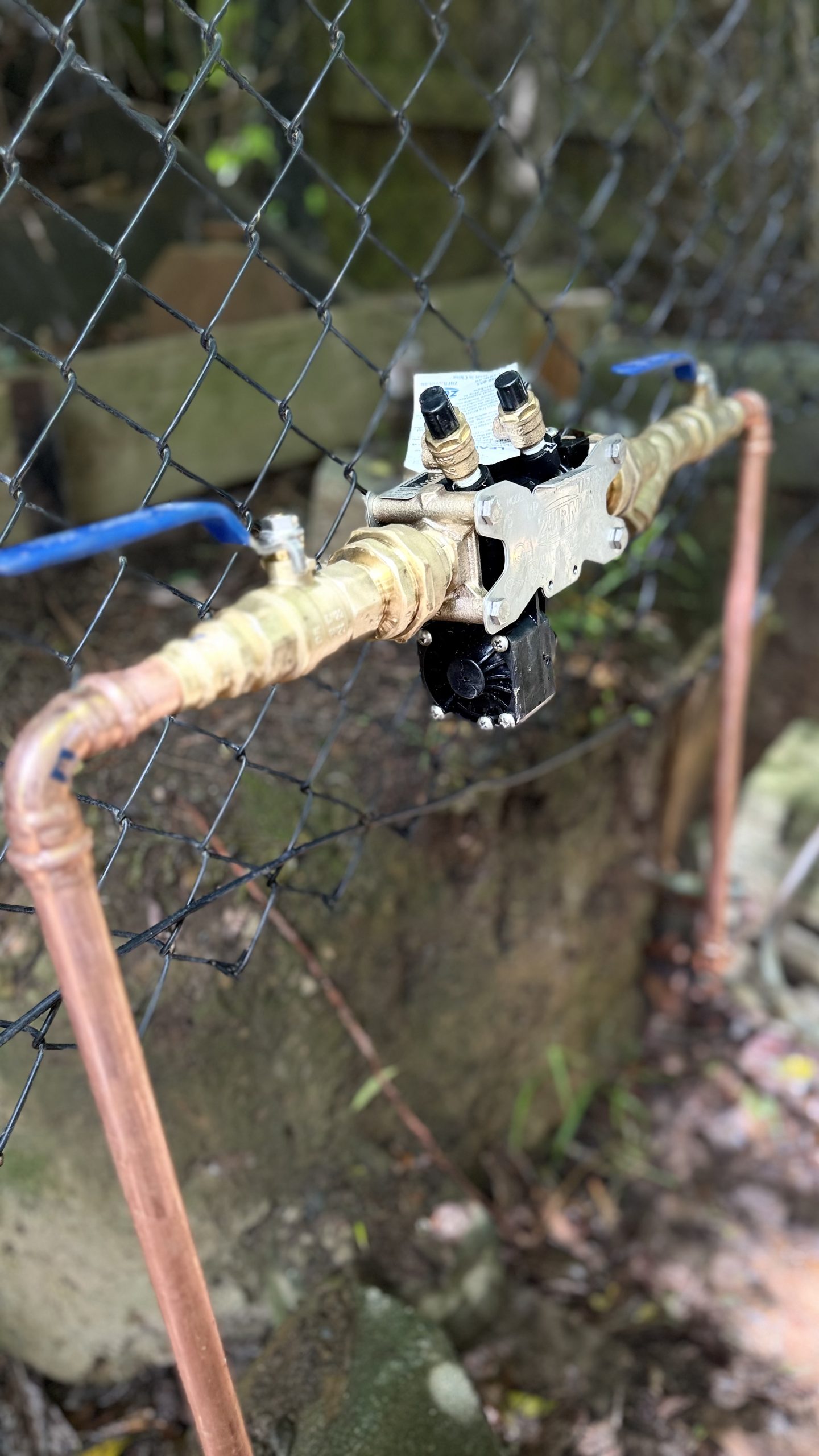
A leaking pipe can quickly turn into a costly problem if left unattended. Understanding how to fix a leaking pipe early can save you water damage, higher bills, and unnecessary stress. In this guide, we’ll show practical solutions you can apply safely at home or know when to call a professional.
Common Causes of Leaking Pipes
Leaks don’t just happen randomly. The most common reasons include:
- Corrosion in older metal pipes
- Loose joints or fittings
- High water pressure stressing pipe walls
- Frozen pipes expanding and cracking
- Damage from accidental impact or poor installation
Identifying the root cause will help you choose the correct solution and prevent the problem from recurring.
How to Fix a Leaking Pipe at Home
For minor leaks, there are a few temporary fixes you can try while waiting for professional help:
- Turn off the water supply – Locate the main valve to prevent flooding.
- Use pipe clamps or repair tape – Silicone or rubber repair tapes can seal small cracks.
- Apply epoxy putty – Mold around the leak and allow it to set as per manufacturer instructions.
- Replace faulty washers or fittings – For compression leaks, tightening or replacing washers often stops drips.
These solutions are generally safe for small issues. However, ensure you wear gloves and follow product instructions carefully.
Choosing the Right Materials
Australian plumbing standards recommend using materials suitable for local water quality and temperature conditions. Copper, PVC, and PEX are commonly used for home plumbing, each with its benefits:
- Copper: Durable and corrosion-resistant but requires soldering skills.
- PVC: Easy to cut and join, suitable for cold water lines.
- PEX: Flexible, resistant to freezing, and often easier for DIY repairs.
Selecting the right material improves the longevity of your repairs.
Safety Precautions
Before attempting any repairs, follow safety tips:
- Always shut off electricity near wet areas.
- Wear protective gloves and goggles.
- Ventilate enclosed spaces to avoid inhaling fumes from adhesives or putty.
- Avoid using DIY solutions on high-pressure mains or gas lines.
Adhering to these precautions reduces risks and protects your property.
When to Call a Professional
Some leaks require expert attention to prevent further damage:
- Persistent dripping despite temporary fixes
- Leaks in hidden or hard-to-reach areas
- Cracks in main water lines
- Leaks near electrical wiring
- Severe flooding from burst pipes
The Plumbing and Roofing Company can quickly assess and repair complex leaks. Prompt professional intervention ensures compliance with Australian plumbing regulations and avoids long-term damage.
Conclusion
Fixing a leaking pipe early is essential to protect your home and wallet. Simple leaks can often be temporarily managed with tape, clamps, or epoxy putty, but complex or persistent leaks should be handled by a licensed plumber. The Plumbing and Roofing Company offers reliable service across Australia to ensure your pipes are secure and your water supply is safe.
FAQ
Q1: Can I fix a leaking pipe without professional help?
A1: Small leaks can often be temporarily managed using repair tape, clamps, or epoxy putty, but major issues should be handled by a licensed plumber.
Q2: How long does a temporary pipe repair last?
A2: Temporary fixes typically last from a few days to a few weeks. They’re meant to prevent immediate water damage until a permanent repair is completed.
Q3: What materials are best for DIY pipe repairs?
A3: PVC and PEX pipes are easier for DIY repairs. Copper requires soldering and may need professional skills.
Q4: How can I prevent future leaks?
A4: Regularly inspect pipes for corrosion, maintain proper water pressure, and ensure fittings are secure. Installing PEX pipes can also reduce freezing damage.


