

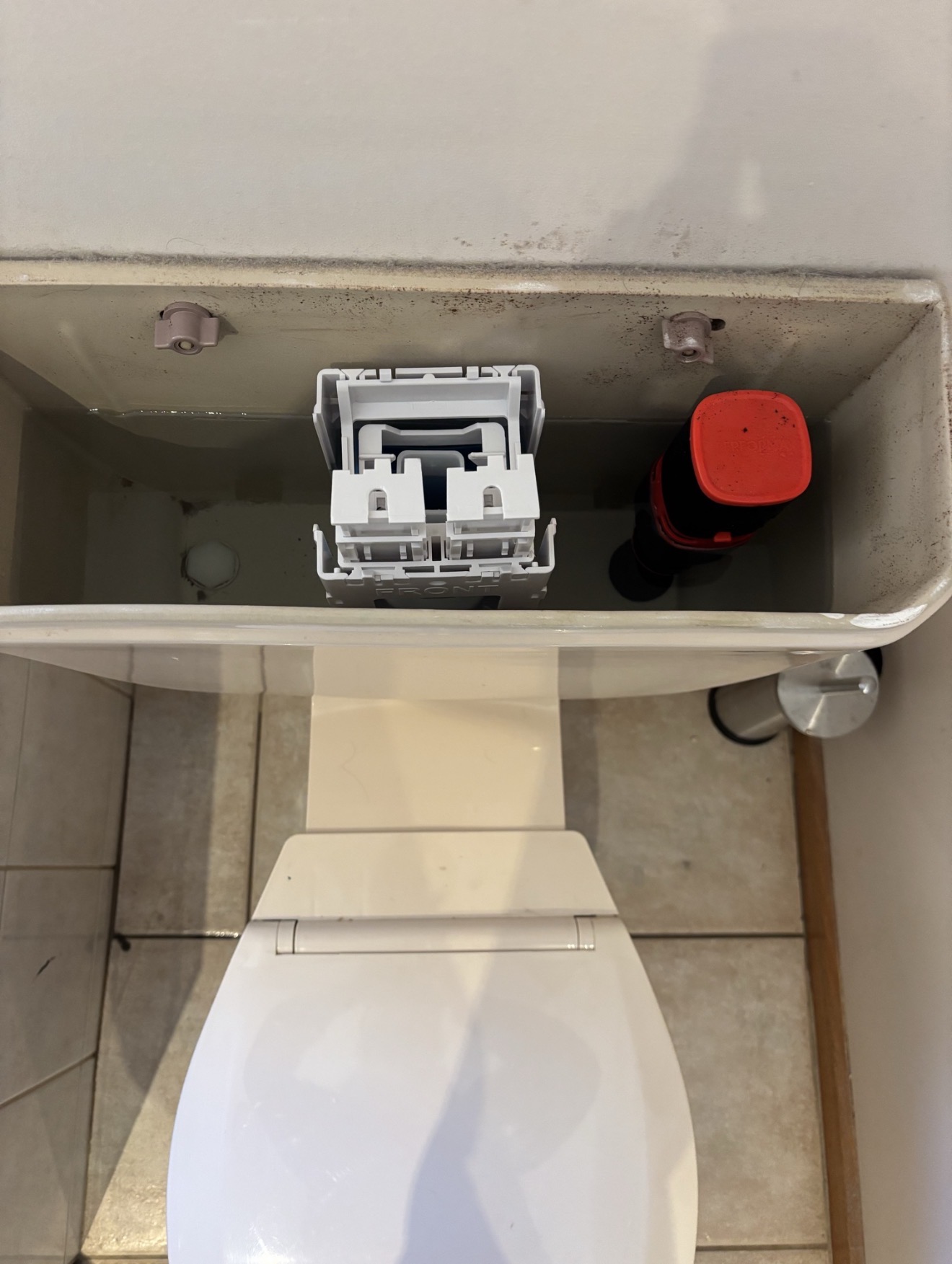
One minute everything looks normal. The next minute, the water rises like a small indoor flood, and panic quietly walks into the bathroom. Many households immediately turn to DIY tricks, hot water, baking soda, vinegar, or a desperate plunger attack.
However, blocked toilets behave differently from clogged sinks or slow drains. A stubborn clog deep inside a toilet pipe usually demands the right equipment. That is where a toilet clog remover changes the entire situation.
Across suburbs like Cranbourne, plumbing professionals regularly point out the same thing: specialized tools solve blockages faster, cleaner, and with far less damage than most DIY experiments, especially during plumbing renovations.
This guide explains why a toilet clog remover consistently outperforms home remedies and why investing in the right equipment can prevent costly plumbing bills in the future.
The Reality of Toilet Blockages
Toilets look simple on the surface, yet the plumbing system beneath them is surprisingly complex. Pipes curve, narrow, and connect to larger drainage systems. When something blocks that pathway, water has nowhere to go.
Common causes include:
- Excess toilet paper
- Wet wipes and sanitary products
- Tree roots are invading outdoor pipes
- Mineral build-up inside older plumbing
- Small objects accidentally flushed
A DIY approach often focuses only on the surface clog. Meanwhile, the real blockage sits deeper inside the pipe.
A toilet clog remover works differently. It reaches further, applies stronger pressure, and breaks the blockage at the source rather than merely pushing it around.
How Household Plumbing Actually Handles Waste Flow
Toilets seem basic, but the plumbing is actually pretty clever. Every base has a curved trap that holds water to keep sewer smells out of your home. While that bend protects your air, it’s also the perfect spot for junk to get stuck.
When waste, paper, or foreign objects reach this bend, they sometimes compress tightly against the curve. A flush pushes material forward, but the water pressure may not be strong enough to break it apart. Over time the blockage becomes dense and stubborn. At this stage many homeowners assume the problem sits inside the bowl, when in reality the obstruction is deeper inside the pipe.
Plumbers frequently observe that repeated flushing or plunging only shifts the blockage slightly without removing it. That movement creates a false sense of progress. The obstruction remains inside the plumbing network, waiting to cause another blockage later. Tools designed to navigate curved pipes are usually required to remove the compact mass safely.
DIY vs Toilet Clog Remover
|
Feature |
DIY Methods |
Toilet Clog Remover |
|
Effectiveness |
Often temporary | Clears clog completely |
|
Safety |
Risk of pipe damage | Designed for plumbing systems |
| Speed | Slow trial-and-error |
Fast results |
|
Hygiene |
Possible overflow |
Cleaner solution |
| Cost Over Time | Repeated attempts |
Long-term fix |
Why DIY Toilet Fixes Rarely Solve Real Blockages
DIY fixes sound great since they use stuff you already have. You’ve probably seen videos suggesting vinegar and baking soda or hot water, but these tricks usually just soften the surface without actually clearing the heart of the mess.
Plungers have a big flaw: they scatter pressure. When you push down, that force leaks out around the bowl’s edges instead of hitting the clog directly. Because that energy isn’t focused, it rarely reaches the actual spot where things are jammed.
Professionals working in plumbing often see toilets that were plunged repeatedly without success. The homeowner believed persistence would eventually work. Instead, the blockage shifted further into the pipe system, making removal more difficult. A tool specifically designed for the pipe shape usually handles the situation more effectively.
Understanding the mechanics of toilet clog remover
A toilet clog remover works differently because it physically enters the pipe system rather than relying on pressure from above. Most designs include a flexible cable that follows the natural curve of the toilet trap. This allows the tool to reach the blockage directly.
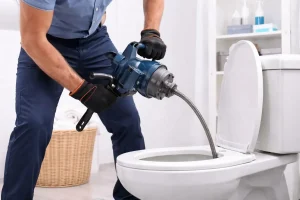
toilet clog remover
Once the cable reaches the obstruction, controlled rotation breaks apart the compact material or hooks onto debris. Items that should never be flushed—such as wipes, hygiene products, or small plastic objects—can often be extracted rather than pushed deeper into the plumbing system.
Using a toilet clog remover takes the guessing out of the job. Rather than just plunging away blindly, you’re dealing directly with the mess. That’s exactly why pros grab this tool when they face stubborn toilet blockages.
Common homeowner mistakes during toilet blockages
Many toilet emergencies start with the same mistake: repeated flushing. The assumption is that more water will push the blockage through the pipe. Unfortunately, each flush adds additional water pressure to a system that is already struggling to drain.
Another mistake involves combining several DIY solutions quickly. Someone may pour hot water, then add a chemical cleaner, and then start plunging aggressively. These actions change the structure of the blockage in unpredictable ways. Sometimes the material softens; other times it compresses into an even denser mass.
A third common issue involves flushing products labelled as “flushable.” In practice, many of these items break down far slower than toilet paper. Over time they combine with paper fibers and create a stubborn clog. Situations like this often require a toilet clog remover to break apart the woven mass inside the pipe.
Cost implications of prolonged DIY attempts at home
DIY plumbing attempts often appear cheaper at the beginning. A plunger or bottle of cleaner costs very little compared to hiring professional help. However, the cost equation changes once repeated attempts fail.
Every unsuccessful fix increases the chance that the blockage spreads deeper into the drainage system. When debris reaches branch drains or main pipes, clearing the obstruction becomes more complex and time-consuming. What started as a small issue inside the toilet may turn into a larger plumbing job.
Water overflow can also create unexpected expenses. Bathroom flooring, cabinets, and nearby walls may suffer moisture damage if water spills repeatedly. Using a toilet clog remover early in the process often prevents these problems by resolving the blockage quickly.
Real service scenarios plumbers see every week
Field experience reveals how easily small mistakes escalate. In one service call, a homeowner had spent nearly an hour plunging a toilet. The blockage eventually moved past the trap into a horizontal pipe section. Removing it required additional equipment that would not have been necessary earlier.
Another scenario involves children accidentally flushing small objects. Toys, toothbrush caps, or plastic pieces occasionally slip into the bowl. Once these objects pass the trap, plungers rarely retrieve them. Mechanical tools, such as a toilet clog remover can hook the item and pull it back out.
These examples appear regularly during plumbing work. They highlight the difference between temporary fixes and tools designed specifically for the task. A reliable toilet clog remover often resolves situations that DIY attempts cannot handle, especially in cases of hidden plumbing damage caused by repeated plunging that may not be immediately visible.
Hidden plumbing damage caused by repeated plunging
Plungers are widely considered harmless household tools. Used occasionally, they usually cause no damage. Problems arise when someone applies excessive force repeatedly in frustration.
Strong pressure waves travel through the pipe during aggressive plunging. If the pipe joints are weak or already partially obstructed, these pressure surges may shift debris deeper or loosen connections, often caused by what not to flush down the toilet. Over time, this debris can create hidden drainage issues that appear later.
A toilet clog remover operates on a different principle. Rather than just shoving force down the line, it tackles the obstruction head-on. This focused method cuts out the need for constant, heavy pressure and keeps your pipes from being stressed or damaged.
Long-term maintenance and smarter blockage prevention
Toilet blockages are rarely random events. They usually develop from everyday habits. Flushing wipes, excessive paper, or hygiene products gradually increases the likelihood of pipe obstruction. Prevention often begins with simple behavioral changes.
Houses with a small bathroom trash can usually deal with fewer clogs. Just flushing less paper at a time keeps those thick masses from building up in the trap. These tiny habit shifts go a long way in preventing a total backup.
Even with careful use, occasional clogs still occur. When they do, a toilet clog remover provides a reliable way to remove the obstruction without unnecessary trial-and-error solutions.
Balancing convenience against reliable plumbing tools
Quick fixes always appeal to homeowners. Watching a short video or reading a simple tip can make a plumbing problem seem straightforward to solve. However, real plumbing systems operate under physical limits that shortcuts cannot always overcome.
Tools designed for specific tasks exist because professionals repeatedly encounter the same problems. The toilet clog remover is one of those tools. It was created to navigate curved pipes and break apart dense blockages safely.
Experience shows that using the right equipment saves time and frustration. A well-handled toilet clog remover clears most stubborn toilet blockages quickly, allowing the plumbing system to return to normal without further complications.
Conclusion
Clogs don’t just go away, and most “hacks” only scratch the surface while the real problem stays put. A proper toilet clog remover is a much safer, more reliable way to fix stubborn blockages and get your drains moving again.
Homes across Cranbourne benefit from using the right tools or professional help when clogs refuse to clear. A quick inspection with the proper toilet clog remover can restore normal flow without stress or mess. Contact us today for reliable clog removal and expert plumbing support.
Frequently Asked Questions
1. What is a toilet clog remover?
A toilet clog remover is a specific tool built for stubborn blockages. It gets deeper into the pipes than a plunger can, actually pulling debris out instead of just shoving it deeper.
2. Why do DIY methods fail to unclog toilets?
DIY fixes usually fail because they can’t touch deep pipe issues. Things like baking soda or hot water might nudge a clog, but they rarely get rid of it for good.
3. Is using a toilet clog remover safe for pipes?
Yes. These tools are built specifically for toilet setups. If you use it right, a toilet clog remover clears the mess without hurting your pipes.
4. How often should a toilet clog remover be used?
Use a toilet clog remover only when a blockage occurs. Frequent clogs may indicate deeper drain problems that require professional plumbing inspection.
5. Can a toilet clog remover remove deep blockages?
Yes. Most modern tools reach the deep parts of the pipe that plungers just can’t get to. That makes them way more effective for those stubborn blockages.
6. When should a plumber be called for a blocked toilet?
Call a pro if the clog keeps coming back, if the water is overflowing, or if your own fixes fail. A plumber can clear it safely using a professional toilet clog remover.


