

The Short Answer: What Kills Tree Roots in Sewer Pipes
Wondering what kills tree roots in sewer pipes? The most effective solutions include copper sulphate crystals, foaming root killers containing dichlobenil or metam sodium, and high-pressure water jetting combined with mechanical cutting. For severe intrusions, pipe relining or full pipe replacement may be necessary. Early action is always cheaper and less disruptive.
Why Melbourne Homes Are Especially Vulnerable
Melbourne’s established suburbs are lined with beautiful mature trees — gum trees, liquid ambers, plane trees, and willows — all of which have aggressive root systems. These roots are naturally drawn to the warm, nutrient-rich moisture inside your sewer pipes, and even a hairline crack in an older clay or concrete pipe is enough to let them in.
Many homes in Melbourne’s south-east, including areas like Narre Warren, Cranbourne, and Hampton Park, were built in the 1970s through to the 1990s using clay or PVC pipes that are now ageing. As these pipes deteriorate, root infiltration becomes increasingly common and increasingly costly to ignore.
Signs You Have Tree Roots in Your Sewer Line
Tree root intrusion rarely announces itself loudly at first. Instead, you’ll notice subtle warning signs that gradually worsen. Keep an eye out for:
- Slow-draining sinks, showers, or bathtubs throughout the house
- Gurgling sounds coming from your toilet or floor drains
- Recurring blocked drains that keep coming back after clearing
- Unpleasant sewage odours inside or outside your home
- Unusually lush or green patches of grass above your sewer line
- Sewage backing up into floor gullies or toilets
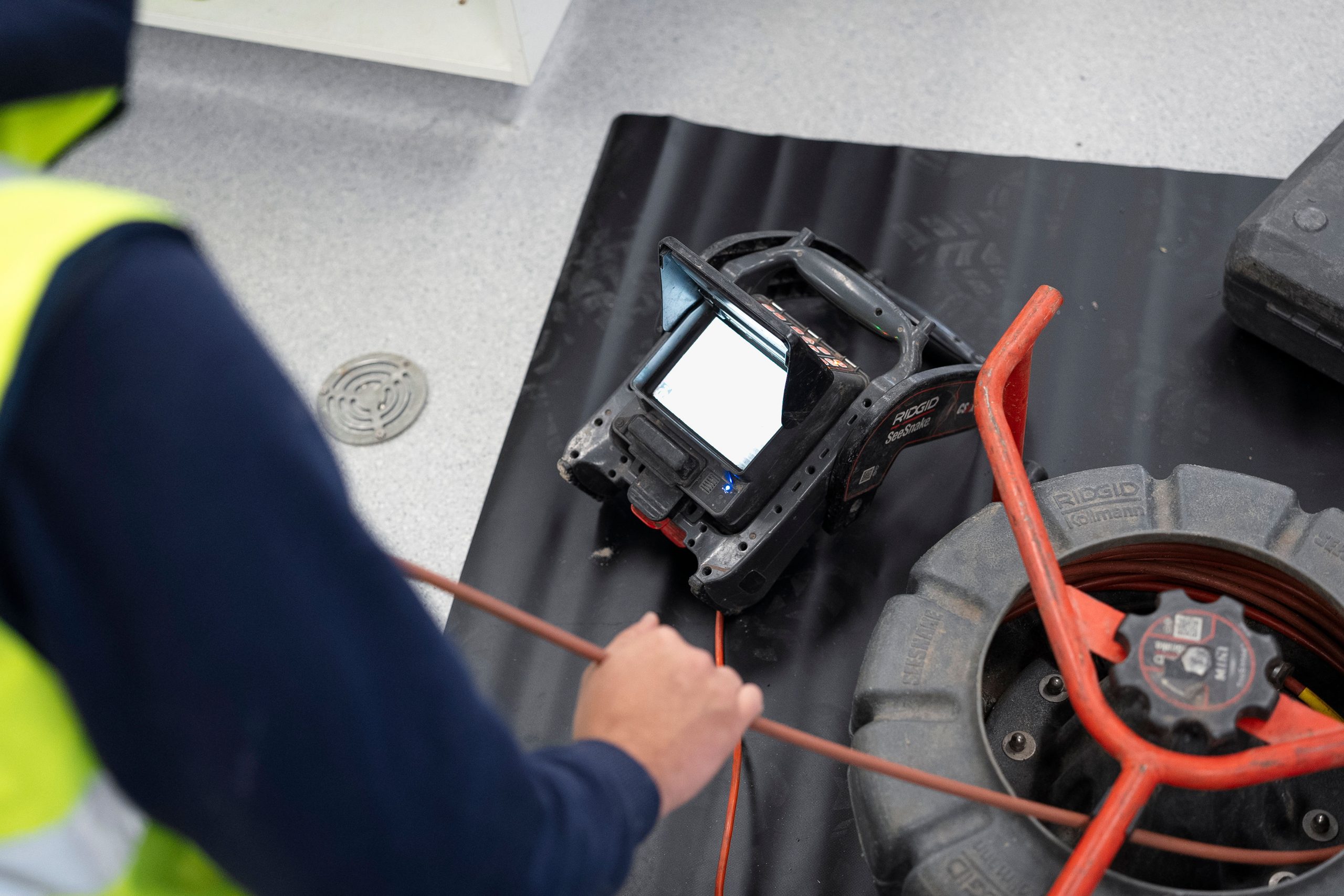
If you’re experiencing more than one of these symptoms at the same time, there’s a strong chance tree roots are at least partially responsible. A CCTV drain inspection is the most reliable way to confirm the problem before spending money on solutions.
What Kills Tree Roots in Sewer Pipes: Your Options Explained
Copper Sulphate Crystals
Copper sulphate is one of the oldest and most widely used DIY treatments for root intrusion. You flush the crystals down your toilet and they slowly dissolve, creating a toxic environment for roots along the pipe walls. It’s best used as a preventative maintenance measure rather than a cure for a serious blockage.
Be aware that copper sulphate can be harmful to soil bacteria and nearby waterways, so use it sparingly and according to the manufacturer’s instructions. It’s also worth noting that Melbourne Water and local councils may have restrictions on chemical use in sewer systems, so check with your local authority before applying.
Foaming Root Killers
Foaming herbicide products, typically containing dichlobenil or metam sodium, are a step up from copper sulphate. When flushed into the pipe, the foam expands to coat the entire inner circumference, killing roots on contact without damaging the pipe itself. These products are available at hardware stores and are most effective when roots are still small and haven’t caused structural damage.
High-Pressure Water Jetting
Hydro-jetting uses a high-pressure water stream to blast roots, grease, and debris from inside the pipe. A licensed plumber will insert a specialised nozzle into the drain and work through the blockage systematically. This method is highly effective for clearing moderate root intrusions and restoring flow quickly.
For Melbourne homeowners dealing with a sudden, complete blockage, this is often the fastest fix. If you’re in the south-east, an emergency plumber in Lynbrook or nearby areas can typically respond same-day with jetting equipment on board.
Mechanical Root Cutting
A drain snake fitted with a root-cutting blade can physically sever roots inside the pipe. This is often used in conjunction with hydro-jetting for more stubborn intrusions. While it clears the blockage effectively, it doesn’t kill the roots — they will regrow unless a chemical treatment or pipe repair follows.
Pipe Relining
Pipe relining is a trenchless repair method where a resin-saturated liner is inserted into the damaged pipe and cured in place, forming a smooth, jointless new pipe within the old one. It eliminates the entry points roots used to get in and extends the life of your sewer system by decades. This is a long-term solution that avoids the cost and disruption of excavation.
Pipe relining is carried out in accordance with Australian Standard AS/NZS 2566.2, which governs buried flexible pipelines and rehabilitation works. You can learn more about relevant plumbing standards through Plumbing Regulations Victoria.
Full Pipe Replacement
In cases where pipes are severely collapsed or root damage is extensive, full replacement may be the only viable option. While it’s the most invasive and costly solution, it gives you a completely fresh start with modern, root-resistant materials.
Preventing Root Intrusion in the First Place
Prevention is always better than a costly repair. Here are a few practical steps Melbourne homeowners can take:
- Plant trees well away from sewer lines — check your property’s drainage plan before landscaping
- Choose slow-growing or non-invasive tree species near the house
- Schedule a CCTV drain inspection every few years, especially in older homes
- Apply a copper sulphate treatment annually as a preventative measure
- Address any minor blockages promptly before roots have time to establish
If you’re unsure where your sewer line runs, your local council or Melbourne Water can often provide drainage easement information for your property.
When to Call a Professional
DIY chemical treatments work well for minor, early-stage root problems. But if your drains are backing up, you’re experiencing recurring blockages, or you suspect structural pipe damage, it’s time to call a licensed drain plumber. Attempting to clear a serious root intrusion without the right equipment can make the problem worse and potentially cause a sewage overflow — a health and safety hazard under Victorian plumbing regulations.
The Plumbing & Roofing Company provides professional CCTV drain inspections, hydro-jetting, root cutting, and pipe relining services across Melbourne’s south-east. Whether you’re in Clyde North, Hallam, or Cranbourne, their licensed team is available 24/7. If you need urgent help, contact an emergency plumber in Hallam or reach out through The Plumbing & Roofing Company’s website to book an inspection today.
Conclusion
Tree root intrusion is one of the most common and damaging sewer problems Melbourne homeowners face, particularly in established suburbs with mature gardens. Understanding what kills tree roots in sewer pipes — from copper sulphate and foaming herbicides through to hydro-jetting and pipe relining — puts you in a much stronger position to protect your home and avoid expensive emergency repairs.
Start with preventative maintenance, act quickly at the first sign of trouble, and don’t hesitate to call a licensed professional when the problem goes beyond a simple DIY fix. The sooner you address root intrusion, the less it will cost you in the long run.
Frequently Asked Questions
How long does it take for copper sulphate to kill tree roots in pipes?
Copper sulphate typically takes several weeks to show noticeable results, as it needs to make sustained contact with the roots inside the pipe. It works best as a preventative treatment or for very early-stage intrusions, not as a fast fix for an active blockage. For quicker results, mechanical or hydro-jetting methods are more appropriate.
Will tree roots grow back after being cleared from a sewer pipe?
Yes — if the pipe crack or joint gap that allowed roots to enter is not repaired, roots will almost certainly regrow. Mechanical cutting and chemical treatments slow regrowth but don’t permanently solve the problem. Pipe relining or replacement is the only way to stop roots from re-entering through the same entry points.
Is it safe to use root-killing chemicals in Melbourne’s sewer system?
Most copper sulphate and foaming root killer products are safe for use in private sewer lines when applied as directed. However, you should check with Melbourne Water or your local council before use, as there may be restrictions on certain chemicals entering the broader sewerage network or nearby waterways.
How do I know if tree roots have damaged my pipes structurally?
The most reliable way to assess structural damage is a CCTV drain camera inspection carried out by a licensed plumber. This allows them to see exactly what’s happening inside the pipe — whether it’s minor root tendrils, a partial collapse, or a fully broken section — and recommend the most appropriate repair method for your situation.


