

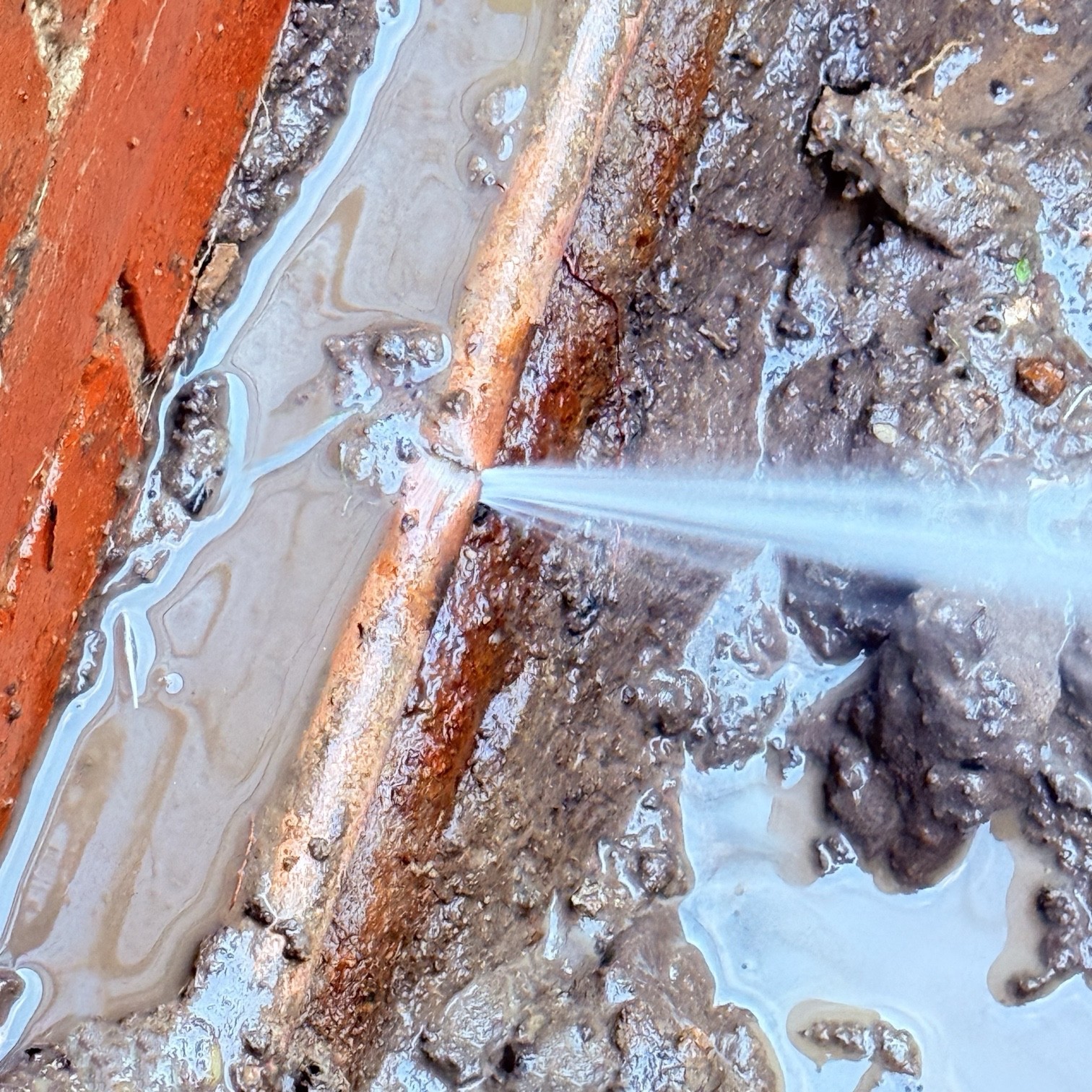
There’s a special kind of silence that wakes you at 2 am. Not the peaceful kind. It’s the kind where the fridge hum is suddenly joined by something that sounds suspiciously like a creek running through your hallway. If you’ve lived through it, you know. If you haven’t, consider this your friendly heads-up about burst pipes Melbourne households deal with every year, especially when the weather swings from a cold snap to a scorcher in one weekend.
I’ve watched plenty of small leaks turn into big invoices, and the pattern is almost always the same. Someone spots a damp patch, shrugs and gets on with life. Three weeks later, the ceiling is on the carpet. This guide is for busy young professionals in Cranbourne and across Melbourne’s south-east who’d rather spend weekends at the footy than mopping up. We’ll cover why burst pipes Melbourne wide keep happening, what to do in the first ten minutes, how to keep pipe repair costs sensible, and how to stop it happening again.
What Causes Burst Pipes Melbourne Homeowners Face?
A burst pipe is a water pipe that cracks, splits or separates at a joint and lets water escape under pressure. With burst pipes Melbourne properties experience, the cause is rarely dramatic. It’s usually a slow build-up of stress, like a paperclip bent back and forth until it finally snaps. The pipe doesn’t fail because of one bad day. It fails because of a thousand small ones.
The usual suspects are ageing materials, high water pressure, shifting soil and corrosion. Many established suburbs still have galvanised steel or older copper lines that have quietly thinned from the inside. Newer estates around Cranbourne tend to have plastic or PEX pipework, which handles movement better but can still fail at poorly made joints. Different materials, same outcome if nobody’s keeping an eye on things.
Then there’s the Melbourne factor. Much of our soil is reactive clay, which swells when wet and shrinks when dry. Over a few seasons, that movement tugs on pipes buried under the slab or along the property line. Add our famous four-seasons-in-one-day swings, and you’ve got materials expanding and contracting on repeat. That’s why burst pipes Melbourne wide aren’t just a winter problem, no matter what your nan told you.
Early Warning Signs of Burst Pipes Melbourne Homes Show First
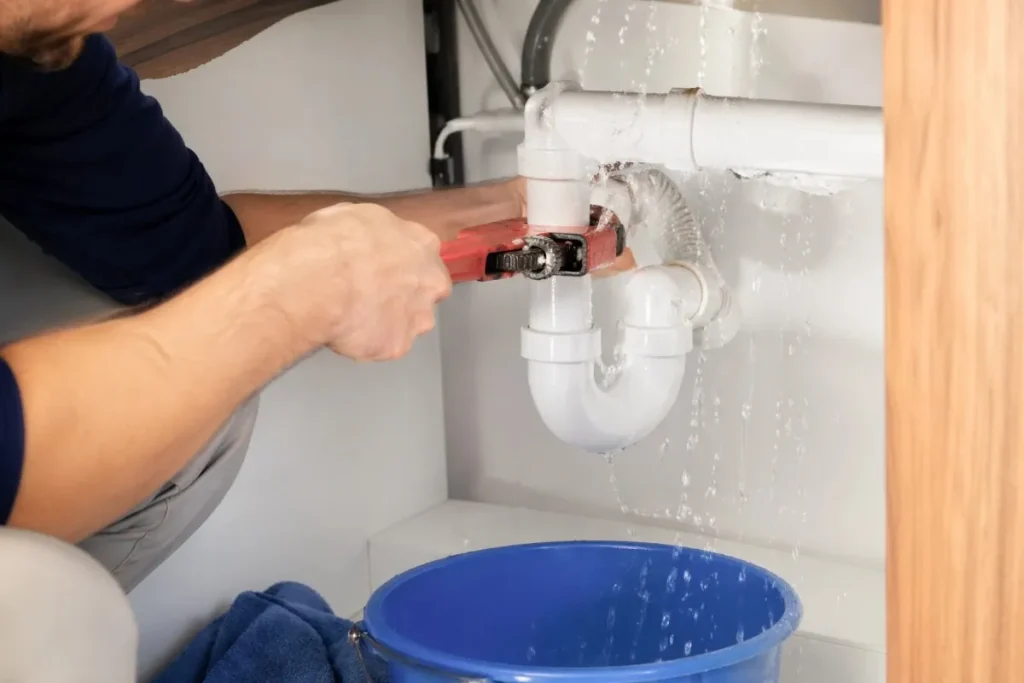
Burst pipes Melbourne residents deal with rarely arrive without clearing their throat first. A sudden spike in your water bill with no change in how you live is the classic red flag. If you’ve barely been home, yet the bill looks like you hosted a week-long dinner party, something is leaking somewhere.
Other signs are more physical. Look for damp, bubbling paint, a musty smell that lingers after airing the room, or a patch of lawn that stays suspiciously green and soggy. Water pressure that drops without warning, or taps that cough and splutter, can point to a crack letting air into the line. A faint hiss when everything is switched off is your plumbing trying to tell you something.
Here’s a simple home test I recommend to everyone. Turn off every tap and appliance, then check your water meter. If the dial is still moving, water is going somewhere it shouldn’t. This is the first step in water leak detection Melbourne plumbers will do anyway, and it costs you two minutes. Catching leaking pipes Melbourne homes develop early is the easiest way to protect your wallet from burst pipes Melbourne wide.
What to Do in the First Ten Minutes of a Burst Pipe
Panic is natural, but a calm routine is better. When water is pouring through your home, the goal isn’t to fix the pipe. It’s to limit the damage until a professional arrives. Here’s what I’d do, in order.
- Turn off the water at the mains. Find your stop tap, often near the front of the property or by the meter, and turn it clockwise.
- Switch off power if water is near electrics. Water and power points are a bad double act. If it isn’t safe to reach the switchboard, leave it and call for help.
- Open your taps to drain the system. This releases remaining pressure so water stops spilling from the break.
- Move valuables and mop up. Lift rugs and electronics off the floor and get the towels out.
- Take photos and videos. You’ll want these for insurance before you clean up.
- Call an emergency plumber Melbourne residents trust. Tell them what’s happened and what you’ve already done.
Once that’s done, breathe. You’ve just saved yourself hundreds of dollars in water damage prevention work simply by acting fast.
Burst Pipe Repair Melbourne: What Will It Actually Cost?
Let’s talk money, because that’s what everyone’s quietly wondering. The honest answer is that burst pipe repair Melbourne prices depend on where the pipe is, how accessible it is, what it’s made of and how much damage the water has already caused. A visible pipe under a vanity is a quick job. A pipe buried in a concrete slab is a different beast entirely.
It’s like car repairs: a headlight bulb is cheap, but ignoring the warning light for six months is not. The same logic applies to pipe repair costs. The table below is a rough guide only, and a licensed plumber should always inspect before quoting.
| Type of problem | Typical complexity | General cost outlook |
| Accessible pipe or joint, minor split | Low | Lower end: call-out, parts and labour |
| Burst pipe inside a wall cavity | Medium | Mid-range, plus patching and repainting |
| Pipe under a concrete slab | High | Higher end, may involve rerouting or breaking concrete |
| Outdoor or underground main line | Medium to high | Varies with length, depth and access |
| After-hours emergency call-out | Varies | Extra call-out fees usually apply |
With burst pipes Melbourne bills, the costs that sting most are rarely the pipe itself. They’re the flooring, plasterboard and insurance excess that follow once water has done its thing.
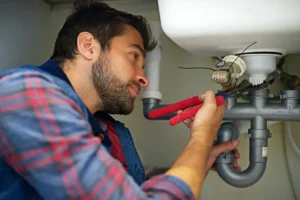
Choosing a Licensed Plumber for Burst Pipes Melbourne Wide
Here’s something people often learn the hard way: in Victoria, plumbing work must be done by a registered or licensed plumber, and that isn’t just red tape. It protects your home, your warranty and your insurance claim. Unlicensed work can void cover and leave you paying twice. The Victorian Building Authority is the state regulator, and you can check plumbing licensing and registration requirements with the Victorian Building Authority before you hire anyone.
When you’re ringing around, ask whether the plumber is licensed, whether they provide written quotes, and whether their work is guaranteed. A good business answers happily. A dodgy one gets vague. For residential plumbing Melbourne homeowners rely on, the best signs of trust are transparency, clear communication and a track record you can check. At The Plumbing And Roofing Company, we’d rather you ask ten questions than sign off on something you’re unsure about.
When to Call an Emergency Plumber Melbourne Homes Can Count On
Burst pipes Melbourne wide rarely pick a convenient time, and some situations shouldn’t wait until Monday. If water is flowing and you can’t stop it at the mains, if it’s near your switchboard, or if a pipe has burst inside a ceiling, you need a burst pipe emergency service straight away.
A reliable emergency plumber Melbourne wide should be reachable day and night, arrive with the right equipment, and give you a clear plan before touching a wrench. Expect them to isolate the leak, make the area safe and explain your options. Sometimes that’s a same-visit fix. Sometimes it’s a temporary repair with a follow-up booking.
One tip from experience: save a trusted plumber’s number in your phone before you need it. Searching for help while ankle-deep in water is nobody’s finest hour.
Water Leak Detection Melbourne Homes Need Before Walls Come Down
Sometimes the problem is invisible. Water leak detection Melbourne professionals use is far more sophisticated than tapping on walls and hoping. Electronic listening devices pick up the sound of escaping water, thermal imaging cameras show temperature differences behind walls, and pressure testing confirms whether a line is losing water.
Why does this matter for your budget? Because guessing is expensive. Without proper detection, a plumber may have to open up large sections of wall or floor just to find the culprit. With it, they can cut one small, neat access hole instead. Less demolition means less patching, less painting and a smaller final bill. It’s like using GPS instead of driving randomly around Cranbourne hoping to find the right street.
If you suspect a hidden leak, don’t wait for the damage to announce itself. An inspection costs far less than replacing warped floorboards, and it’s the quiet hero that stops burst pipes Melbourne wide from becoming a recurring nightmare.
Smart Ways to Reduce Pipe Repair Costs
You can’t control when a pipe fails, but you can control how expensive it gets. The biggest lever is speed. Water causes damage by the minute, so knowing where your mains is and acting quickly can be the difference between a minor repair and a full renovation. Make sure housemates and flatmates know where the stop tap is too.
The second lever is early repair. If a plumber spots corroded joints or a failing pressure valve during a routine visit, fixing it now is almost always cheaper than waiting for it to give way. It’s boring advice, but boring advice saves money.
The third lever is your paperwork. Check your home and contents insurance so you know what’s covered for burst pipes Melbourne policies typically include, and what your excess is. Many policies cover sudden and accidental damage but not gradual leaks from wear and tear. Keep photos, invoices and plumber reports together, because a tidy claim is a faster claim. Finally, get a clear written quote that explains parts, labour, call-out fees and any make-good work. Honest tradies are happy to explain.
How to Prevent Future Pipe Leaks and Burst Pipes Melbourne Wide
Fixing a burst pipe feels great for about a week. Then you start wondering whether it’ll happen again. The good news is that you can prevent future pipe leaks with a few sensible habits, and none of them need a toolbox the size of a small car.
Start with water pressure. Many homes run higher pressure than their plumbing needs, and that constant strain wears joints down over time. A pressure-limiting valve is a relatively simple fix that can extend the life of your whole system. Next, think about temperature and movement. Lag exposed pipes in roof spaces and outdoor areas, keep large trees away from underground lines because roots are surprisingly good at squeezing into tiny cracks, and watch for soil movement after long dry spells followed by heavy rain.
A quick seasonal routine helps too. Once a season, I’d suggest this short check:
- Look under sinks and around laundry taps for dampness or corrosion.
- Check your hot water system for drips or rust around the valves.
- Test your water meter with everything switched off.
- Clear gutters and drains so water flows away from the house.
- Book a professional inspection every year or two, especially for older homes.
Do this regularly and you’ll dramatically cut your chances of facing burst pipes Melbourne homeowners dread. It’s a small habit that quietly protects your biggest asset.
DIY Fixes vs Calling a Professional
I love a good DIY weekend, but plumbing is where enthusiasm can outrun skill. Tightening a tap washer? Fine. Cutting into mains pipework? That’s licensed territory. With burst pipes Melbourne homeowners face, a DIY patch can look great for a day and fail a week later, usually at 3 am. For lasting burst water pipe repair, a licensed plumber is cheaper in the long run, because you only pay once.
Conclusion
Burst pipes Melbourne households face come down to a few simple truths. Pipes fail because of age, pressure, soil movement and neglect, not just cold weather. The warning signs, such as unexplained bills, damp patches and low pressure, usually show up well before the break. Quick action, knowing where your mains is, using a licensed plumber and understanding your insurance keep repair costs under control. Add smart water leak detection and regular maintenance, and you can seriously reduce the odds of burst pipes Melbourne homeowners dread.
If you’re in Cranbourne or anywhere across Melbourne and you’re dealing with burst pipes Melbourne wide, or you’d simply like a check-up to prevent one, we’re here to help. The team at The Plumbing And Roofing Company offers honest advice, clear quotes and fast, reliable service when you need it most. Contact us today to book an inspection or request an emergency call-out, and let’s keep your home dry, your weekends free and your water bill boringly predictable.
FAQs About Burst Pipes Melbourne Homeowners Ask
1. What should I do first if a pipe bursts in my home?
Turn off the water at the mains straight away, then switch off power if water is near electrical items and open your taps to release remaining pressure. Take photos for insurance, move valuables out of harm’s way and call a licensed emergency plumber. Those first few minutes do more to limit damage and repair costs than anything else you can do.
2. How much does burst pipe repair Melbourne homeowners pay usually cost?
It varies widely depending on the pipe’s location, material and the amount of water damage involved. A simple accessible repair costs far less than a pipe buried in a slab or inside a wall, and after-hours call-outs usually carry extra fees. Request a written quote after an inspection so you know exactly what’s included.
3. What causes burst pipes Melbourne wide?
The usual causes are ageing or corroded pipes, high water pressure, shifting reactive clay soil, tree root intrusion, poor installation and temperature swings. Melbourne’s changeable weather adds stress, so burst pipes Melbourne households see aren’t limited to winter. Regular inspections help catch these issues before they become emergencies.
4. Will my insurance cover a burst pipe?
Many home and contents policies cover sudden and accidental damage from a burst pipe, but gradual leaks from long-term wear and tear are often excluded. Every policy is different, so check your product disclosure statement and contact your insurer. Photos, plumber reports and invoices make any claim smoother.
5. How can I prevent future pipe leaks at home?
Keep water pressure within a sensible range, insulate exposed pipes, keep roots away from underground lines and fix small drips quickly. Book a professional inspection every year or two, particularly in older homes. Consistent small checks are the most reliable way to prevent future pipe leaks and avoid surprise bills.


