

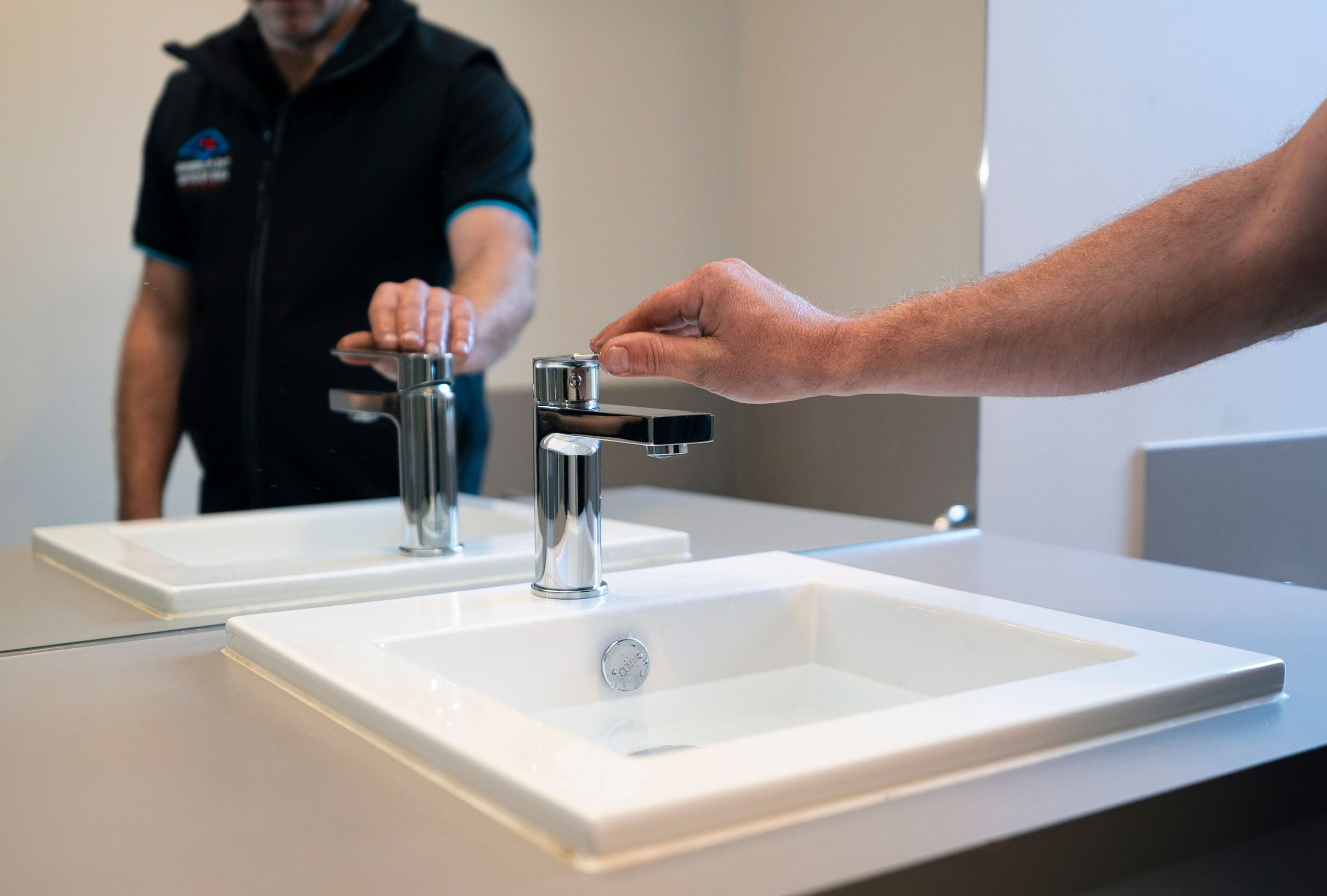
Picture this. It’s a chilly Melbourne morning, you’ve got a coffee in hand, and you’re already running late for the tram. Then you hear it — that slow, ominous drip under the kitchen sink that you’ve been “meaning to check” for the last three weeks. Sound familiar? If you’re nodding along, you’re not alone. Most of us treat our plumbing the way we treat a gym membership we forgot we signed up for — completely out of sight, until it suddenly demands attention (and money). That’s exactly where general plumbing maintenance earns its keep, and it’s why so many sensible Melburnians are finally giving it the respect it deserves.
Here in Melbourne, our pipes cop a fair beating. We swing from frosty mornings to stinking hot afternoons, sometimes in the same week, and that constant expansion and contraction puts real strain on aging plumbing systems. Add in the classic mix of Victorian-era terraces, 1970s brick veneers, and shiny new apartment builds, and you get a city with wildly different plumbing needs block by block. General plumbing maintenance isn’t some optional extra reserved for landlords with deep pockets. It’s the quiet, unglamorous work that keeps water where it belongs and keeps your bank account intact.
This guide walks you through exactly what general plumbing maintenance involves, why it matters so much for Melbourne homes, and how a bit of regular attention now can save you a genuinely nasty repair bill later. Grab your coffee (careful of the drip bucket) and let’s get into it.

What Is General Plumbing Maintenance, Really?
Let’s clear something up first, because the term gets thrown around loosely. General plumbing maintenance is the routine, scheduled care of your entire water and drainage system — not the emergency call you make when a pipe bursts at 2am. Think of it like servicing your car. You don’t wait for the engine to seize before changing the oil, and you shouldn’t wait for a burst pipe before checking your plumbing.
In practical terms, general plumbing maintenance covers things like inspecting taps and fittings for slow leaks, checking water pressure, testing hot water systems, clearing early-stage drain blockages, and examining pipe joints for corrosion or wear. It’s proactive rather than reactive, and that single distinction is what separates a $150 maintenance visit from a $3,000 emergency repair. A licensed plumber doesn’t just glance at your sink and call it a day — they’re looking at the whole system, tracing potential weak points before they become genuine problems.
Why General Plumbing Maintenance Matters So Much in Melbourne
Melbourne’s climate is famously moody, and your pipes feel every mood swing. Cold snaps cause metal and PVC piping to contract, while hot spells make them expand. Over years, that constant flexing weakens joints and seals. Add Melbourne’s notoriously variable water pressure across different suburbs, and you’ve got a recipe for slow, silent damage that often goes unnoticed until it’s a full-blown leak behind a wall.
There’s also the age factor. Plenty of homes across Fitzroy, Brunswick, and Richmond still have original plumbing dating back decades, sitting alongside newer renovations that were bolted on without much thought for compatibility. That patchwork of old and new pipework is exactly the sort of setup where general plumbing maintenance earns its value, catching mismatched fittings or corroded joints before they fail. Meanwhile, newer builds in growth corridors like Point Cook or Tarneit aren’t immune either — modern materials can still suffer from poor installation or manufacturing faults. Wherever you live, general plumbing maintenance acts like an insurance policy that actually pays out in avoided stress, not just avoided cost.
Signs You’re Overdue for General Plumbing Maintenance
Most plumbing disasters don’t happen overnight. They whisper before they scream. Here are the early warning signs that your home is calling out for some general plumbing maintenance attention:
- Water pressure that’s noticeably dropped in the shower or kitchen tap
- A faint musty smell near walls, ceilings, or under cabinets
- Discoloured or rusty water when you first turn on a tap
- Drains that gurgle or empty slower than they used to
- Your water bill creeping up with no obvious explanation
- Visible damp patches, bubbling paint, or warped skirting boards
If two or more of these sound familiar, it’s worth booking an inspection sooner rather than later. General plumbing maintenance is at its most effective when it’s catching these small clues early, rather than being called in once the damage is already visible.
What’s Actually Included in Plumbing Maintenance Services Melbourne
When you book plumbing maintenance services Melbourne homeowners typically expect a fairly thorough process, and rightly so. A proper visit usually starts with a visual inspection of all visible pipework, followed by pressure testing to check for hidden leaks that aren’t yet showing on the surface. Your plumber will also run a check on hot water systems, since these are one of the most common failure points in Australian homes and often the most expensive to replace in an emergency.
Beyond that, expect drain camera inspections in older properties, tap washer replacements where needed, and a check of your stormwater and sewer connections for early signs of tree root intrusion (a genuine Melbourne classic, especially in leafy eastern suburbs). Good residential plumbing maintenance Melbourne providers will also give you a written summary afterwards, flagging anything that needs attention now versus what can be monitored over the coming months. That transparency is honestly the mark of a trustworthy tradie, and it’s something you should expect as standard, not as a bonus.
General Plumbing Maintenance vs Emergency Plumbing Melbourne: What’s the Real Difference?
It’s worth being blunt about this comparison, because the cost gap is significant. General plumbing maintenance is scheduled, calm, and relatively cheap. You pick a time, a plumber turns up, checks things over, and life goes on. Emergency plumbing Melbourne call-outs, on the other hand, happen at the worst possible moment — often after hours, often involving water damage that’s already spreading, and almost always at a premium rate because urgency costs money.
Here’s the part people underestimate: emergency plumbing usually treats the symptom, not the cause. A plumber called at midnight for a burst pipe will stop the bleeding, but they’re not going to do a full system audit while your kitchen is flooding. General plumbing maintenance is what prevents that midnight call in the first place, by catching corrosion, weak joints, and slow leaks while they’re still small, cheap, and boring problems — exactly how you want your plumbing problems to stay.
How Often Should You Book Plumbing Maintenance in Melbourne?
This is one of the most common questions we get, and the honest answer is “it depends on your property,” but there are solid general guidelines worth following.
- Older homes (pre-1990): Every 6 to 12 months, given ageing pipework and higher risk of corrosion
- Newer builds (post-2010): Annually is usually sufficient, focusing on hot water systems and fittings
- Rental properties: Every 12 months, partly for compliance and partly to protect your investment
- Homes with known issues (tree roots, old cast iron pipes): Every 6 months for peace of mind
| Property Type | Recommended Frequency | Key Focus Areas |
| Pre-1990 homes | Every 6–12 months | Corrosion, ageing joints, pipe material |
| Post-2010 builds | Annually | Hot water systems, fittings, seals |
| Rental properties | Annually | Compliance, tenant safety, longevity |
| High-risk properties | Every 6 months | Tree roots, drainage, cast iron pipes |
Sticking to a schedule like this turns general plumbing maintenance into a habit rather than an afterthought, which is really the whole point.
Preventative Plumbing Maintenance Melbourne: The Real Money-Saver
Let’s talk numbers for a second, because that’s usually what convinces people. A standard general plumbing maintenance visit in Melbourne might set you back a modest, predictable fee. A burst pipe behind a wall, on the other hand, can mean plasterboard replacement, flooring repairs, mould remediation, and the plumbing fix itself — easily running into the thousands. Preventative plumbing maintenance Melbourne households invest in isn’t really an expense at all; it’s closer to a small premium against a much larger, much more disruptive bill.
There’s also a less obvious benefit: water efficiency. A slow, undetected leak can waste thousands of litres over a year, quietly inflating your water bill the whole time. Regular plumbing inspection Melbourne services catch these leaks early, which means your wallet and the environment both come out ahead. If you’re the sort of person who hates paying for something you can’t see, that’s exactly the mindset that makes preventative maintenance worth it — you’re paying to avoid a problem, not to fix one that’s already made a mess.
For homeowners wanting to understand their broader obligations around licensed plumbing work in Victoria, the Victorian Building Authority provides clear guidance on what licensed plumbers are required to do and what standards your property should meet.
Blocked Drain Prevention and Leak Detection Melbourne: The Unsung Heroes
Two areas deserve a special mention because they quietly do a lot of heavy lifting: blocked drain prevention Melbourne strategies and leak detection Melbourne technology. Blocked drains are rarely a mystery once you look closely — they’re usually caused by a build-up of grease, hair, tree roots, or the classic “wet wipes flushed down the toilet” situation that plumbers everywhere love to complain about. Regular maintenance catches these build-ups early, well before they cause a full blockage or, worse, a sewage backup.
Leak detection Melbourne services have also come a long way, with thermal imaging and acoustic listening devices now able to pinpoint a hidden leak without pulling up a single floorboard. This kind of technology is a natural extension of general plumbing maintenance, because it finds the problems that a purely visual inspection would miss entirely. Combined, these two elements make maintenance visits far more thorough than they were even five years ago.
Choosing the Right Plumbing System Maintenance Melbourne Provider
Not all plumbing system maintenance Melbourne providers are created equal, and it’s worth being a little picky here. Look for a business that’s fully licensed and insured (non-negotiable), transparent about pricing before any work begins, and willing to explain what they’re checking and why, rather than disappearing under your sink for twenty minutes and handing you a bill. A good plumber treats you like a person who deserves an explanation, not just a customer who needs to sign off.
It also helps to choose a provider who offers both general plumbing maintenance and plumbing repairs Melbourne services under one roof. That way, if an inspection does turn up something that needs fixing, you’re not stuck coordinating between two different tradespeople, comparing quotes, and losing another week to admin. At The Plumbing And Roofing Company, we’ve built our reputation in Melbourne on exactly that kind of straightforward, no-surprises approach — because plumbing stress is stressful enough without added confusion.
DIY Checks vs Professional Plumbing Repairs Melbourne
There’s a fair bit you can do yourself between professional visits, and it’s worth building these into a monthly habit. Keep an eye on your water meter when nothing’s running in the house — if the numbers are still ticking over, that’s a strong sign of a hidden leak somewhere in the system. It’s also worth glancing under sinks every few weeks for early moisture or a faint musty smell, and giving your hot water system a quick visual check for rust streaks or pooling water at the base.
That said, DIY checks are a supplement to general plumbing maintenance, not a replacement for it. Some issues, like a slow leak inside a wall cavity or a partially blocked sewer line, simply aren’t visible without proper tools and training. This is where professional plumbing repairs Melbourne services come in, using pressure testing and camera inspections to find what the naked eye can’t. Think of your own checks as the daily glance at the dashboard, and the professional visit as the full mechanical service — both matter, but they’re not interchangeable.
Wrapping It Up
At the end of the day, general plumbing maintenance is one of those unglamorous habits that quietly protects your home, your budget, and your sanity. We’ve covered what it actually involves, why Melbourne’s unique mix of climate and ageing housing stock makes it especially important here, the warning signs worth watching for, and how it stacks up against costly emergency plumbing call-outs. Whether it’s leak detection Melbourne technology catching a hidden drip, or a simple annual check spotting a worn washer before it fails, the theme is the same: small, regular attention beats big, expensive surprises every single time.
If it’s been a while since anyone’s had a proper look at your pipes, don’t wait for that midnight drip to turn into a genuine disaster. Get in touch with The Plumbing And Roofing Company today and book a general plumbing maintenance visit that fits your home, your schedule, and your budget — because peace of mind shouldn’t be something you only think about after things go wrong.
Frequently Asked Questions
1. How much does general plumbing maintenance cost in Melbourne?
Costs vary depending on property size and condition, but most Melbourne homeowners can expect a standard maintenance visit to be a modest, fixed-fee service, especially compared to the cost of an emergency repair down the track. Ask your provider for an upfront quote so there are no surprises.
2. Can general plumbing maintenance really prevent a burst pipe?
In most cases, yes. Burst pipes are rarely a sudden, random event — they’re usually the end result of slow corrosion, pressure build-up, or a weakened joint that’s been developing for months. Regular inspections catch these warning signs early, which means the pipe gets repaired or replaced well before it actually fails.
3. How do I know if my Melbourne home needs plumbing maintenance now?
If you’re noticing reduced water pressure, unexplained damp patches, gurgling drains, or a climbing water bill, those are all reasonably strong signals that it’s time to book an inspection. Older homes and properties with a history of tree root intrusion should also err on the side of more frequent check-ups.
4. Is plumbing maintenance different for renters and landlords?
It can be. Landlords generally have a legal responsibility to keep plumbing systems safe and functional for tenants, which makes scheduled maintenance a smart way to stay compliant and avoid disputes. Renters should simply report any early warning signs to their property manager as soon as they notice them.
5. What’s included in a typical plumbing inspection Melbourne visit?
A thorough visit usually covers visible pipework, water pressure testing, hot water system checks, tap and fitting inspections, and often a drain camera check in older homes. You should walk away with a clear summary of what was found and what, if anything, needs follow-up work.


