


If you’ve lived in Melbourne longer than a week, you already know the golden rule: never trust the sky. One minute it’s blue and cloudless, the next it’s tipping buckets on your roof like it’s got something to prove. That’s exactly why roof leaks Melbourne homeowners deal with tend to sneak up out of nowhere — one storm, one gust of wind, one hailstorm rolling in off the bay, and suddenly there’s a damp patch blooming on your ceiling like a bad Rorschach test.
It’s not just an inconvenience either. Roof leaks Melbourne properties experience every winter can turn a minor drip into a five-figure repair bill if you ignore it long enough, and that’s before you even factor in the mould, the ruined insulation, and the general stress of watching a bucket slowly fill in your hallway. So in this guide, we’re covering exactly why roof leaks Melbourne homes deal with are so common, what warning signs to watch for, and what genuinely works when it comes to fixing them.

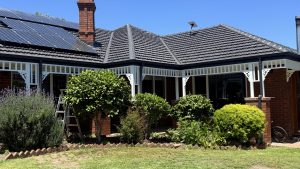
Why Roof Leaks Melbourne Homes Face Are So Common
Melbourne’s climate is genuinely unusual by Australian standards, and it’s a huge part of why roof leaks Melbourne wide are such a persistent headache. We get scorching 40-degree days followed by a cool change that drops the temperature 15 degrees in an hour, and that constant thermal push-and-pull is brutal on roofing materials. Tiles crack, flashing lifts, and sealant that was fine last summer suddenly isn’t. Add in our notorious wind gusts and the odd hailstorm, and you’ve got a perfect setup for the kind of roof leaks Melbourne homeowners never see coming until water is already dripping through the plasterboard.
It’s also worth saying that older suburbs like Brunswick, Camberwell and Footscray have plenty of heritage-era homes, and the leaking roof causes inspectors find in these areas often trace back to roofing that’s simply reached the end of its natural lifespan. Terracotta tiles laid in the 1950s were built to last, sure, but nothing lasts forever, and the mortar bedding under ridge capping crumbles quietly for years before anyone notices. Meanwhile, newer builds in growth corridors like Point Cook or Cranbourne often use lighter, more modern materials that are excellent value but still need proper roof maintenance Melbourne conditions genuinely demand, especially around valleys and box gutters where debris likes to build up.
Then there’s the human factor. A lot of roof leaks Melbourne inspectors uncover trace back to something as simple as a poorly sealed skylight, a satellite dish bracket drilled straight through the roofing sheet, or a solar panel installation that wasn’t flashed correctly. It’s not always the weather’s fault — sometimes it’s just a shortcut someone took years ago that’s finally catching up with the house, quietly setting the stage for the next round of roof leaks Melbourne residents will discover after the first big storm of the season.
Common Causes Behind Roof Leaks Melbourne Properties Experience
Let’s get specific, because “the roof is leaking” is about as useful a diagnosis as “the car is making a noise.” There’s usually a clear culprit behind roof leaks Melbourne homes suffer, and once you know what you’re looking for, it’s a lot less mysterious.
- Cracked or displaced tiles, often from foot traffic, falling branches, or age-related brittleness — one of the most common triggers for a leaking roof.
- Deteriorated flashing around chimneys, skylights and vent pipes, which is one of the most frequent reasons people search for a leaking roof repair Melbourne callout.
- Blocked or damaged gutters and downpipes, which force water to back up under the roofline instead of draining away.
- Failed pointing and bedding on ridge capping, a classic issue on older tiled roofs and a frequent cause of roof leaks Melbourne homeowners report each autumn.
- Rusted or corroded metal roofing, particularly on properties near the coast where salt air speeds up corrosion.
- Poorly sealed penetrations around solar panels, aerials, or exhaust vents.
Each of these on its own might only cause a minor drip, but Melbourne’s weather has a way of turning “minor” into “major” faster than you’d like. A cracked tile that’s fine in a light shower can let in a genuine torrent during one of our sideways-rain storms, and that’s when people start frantically Googling emergency roof repair Melbourne services at eleven o’clock at night, wishing they’d dealt with the problem weeks earlier.
Signs You’re Dealing With Roof Leaks Melbourne Properties Commonly Show
Roof leaks are sneaky. They rarely announce themselves with a dramatic waterfall through the ceiling — that’s usually the final act, not the opening scene. Long before that happens, there are quieter clues that something’s already wrong, if you know where to look.
Water stains are the obvious one — those yellow-brown rings on your ceiling that look a bit like a coffee cup left too long on a coaster. But musty smells in a particular room, peeling paint near the cornices, or a slightly spongy feeling underfoot in the roof space are all early tells worth taking seriously. If you’ve ever noticed your electricity bill creeping up for no obvious reason, it’s occasionally linked to damp insulation losing its effectiveness, which is a strange but genuine side effect of a slow-building leak hiding above the ceiling.
Outside, it pays to actually look up every so often. Missing or slipped tiles, sagging sections of guttering, or dark streaking down the side of a wall are all visual cues that homeowners often miss simply because nobody thinks to check. This is where roof leak detection Melbourne professionals earn their keep, because a trained eye can spot a compromised flashing detail from the ground that most of us would walk straight past.
DIY Checks Versus Calling a Professional
There’s a reasonable amount you can do yourself, and there’s a point where you really shouldn’t. Clearing leaf litter from valleys, checking gutters after a storm, and keeping an eye on your ceiling for new stains are all sensible habits that cost you nothing but a Saturday morning, and they go a long way toward catching problems before they escalate.
Where it gets risky is anything involving actually climbing onto the roof, especially on a pitched tiled roof or anything two storeys up. Melbourne roofs get slippery fast, tiles can crack under weight you wouldn’t expect, and frankly, a fall from roof height is not a risk worth taking to save a callout fee. This is exactly the gap that professional roof repair Melbourne teams are built to fill — proper harnesses, the right ladders, and an eye trained specifically to catch roof damage repair needs before small issues turn into full-blown emergencies.
What Effective Roof Leak Solutions Actually Look Like
Fixing a leak properly is rarely a one-size-fits-all job, and that’s honestly the biggest myth out there — that a tube of sealant fixes everything. Sometimes it does, for a season or two. But a genuine, lasting fix usually means identifying the actual entry point (which, thanks to how water travels along battens and sarking, isn’t always directly above the stain inside), replacing or re-bedding the damaged section, and checking the surrounding area for early signs of the same problem creeping back in.
For roofs that have accumulated years of smaller issues, a full roof restoration Melbourne approach is often more cost-effective long term than patching problem after problem, especially when the damage is spread across multiple sections of the roof. Restoration typically involves cleaning, repointing or re-bedding ridge capping, replacing cracked tiles, resealing valleys, and applying a protective coating that extends the roof’s life by years. It’s a bigger job upfront, sure, but it beats calling out a tradie every winter for the next decade to patch yet another storm-related leak.
If you want an official reference point on maintaining your property to a safe standard, the Victorian Building Authority has genuinely useful guidance on home maintenance responsibilities that’s worth a bookmark, particularly if you’re a landlord juggling multiple properties and trying to stay ahead of maintenance issues tenants might report.


The Real Cost of Ignoring a Leaking Roof
One thing worth spelling out plainly: roof leaks Melbourne homeowners put off dealing with rarely stay small. Water finds the path of least resistance, which usually means it travels along a beam or a batten before showing up somewhere completely unrelated to the actual damage, like a stain in the spare room when the real culprit is above the kitchen. By the time most people finally notice, the timber underneath may already be compromised, and what would have been a $300 tile replacement turns into a $3,000 structural repair.
This is also where roof damage repair Melbourne costs start climbing sharply, because contractors then need to address rotted battens, damaged insulation, and sometimes even electrical wiring that’s been exposed to moisture. It’s a genuinely avoidable spiral, and it’s exactly why so many local tradespeople keep repeating the same advice: don’t wait on it, because the cost curve is not linear — it’s closer to exponential.
Roof Waterproofing and Long-Term Prevention
Prevention is always cheaper than the cure, and that’s doubly true with roofing. Roof waterproofing Melbourne specialists apply is designed to seal vulnerable points — valleys, flashing, penetrations — before they ever become a genuine problem, rather than reacting once water’s already found its way in. Think of it as sunscreen for your house: you don’t wait until you’re sunburnt to start applying it.
A well-timed inspection, ideally once a year and definitely after any major storm, catches the small stuff while it’s still small, which is genuinely the cheapest way to avoid bigger problems down the track. Melbourne’s insurers have noted a steady rise in storm-related claims over recent years, and a lot of that is preventable damage that a modest inspection fee would have caught for a fraction of the eventual repair cost. It really is one of those “an ounce of prevention” situations that homeowners underestimate until it’s too late.
Wrapping It Up
At the end of the day, roof leaks Melbourne homeowners face aren’t some unsolvable mystery — they’re almost always the result of a handful of predictable culprits, from cracked tiles and failed flashing to blocked gutters and ageing seals, all made worse by our city’s habit of throwing four seasons at us before lunchtime. Catching the early signs, whether that’s a faint ceiling stain or a missing tile you spotted from the driveway, makes the difference between a simple fix and one of the far more expensive roof leaks Melbourne homes can develop if left unattended. Regular maintenance, timely roof leak detection, and knowing when a job needs a professional rather than a Saturday afternoon and a ladder will save you money, stress, and a genuinely unpleasant surprise the next time a storm rolls through.
If you’re noticing warning signs or you just want peace of mind before winter hits, don’t wait for a drip to become a flood. Get in touch with The Plumbing And Roofing Company for a proper inspection — our team knows roof leaks Melbourne properties experience inside and out, and we’d much rather help you fix a small issue today than deal with a soaked ceiling at 2am. Reach out now and let’s keep your home dry, no matter what the sky decides to do next.
Frequently Asked Questions
1. How much does it typically cost to fix roof leaks Melbourne wide?
Costs vary a fair bit depending on the cause and the extent of the damage, but a simple tile replacement or flashing reseal might run a few hundred dollars, while more extensive roof leaks Melbourne properties develop over time can run into the thousands once restoration work is involved. Getting an inspection first is the smartest way to avoid paying for guesswork.
2. Can I claim roof leak damage on my home insurance?
Often yes, particularly if the roof leaks Melbourne storms cause are sudden and storm-related rather than the result of long-term neglect, though every policy is different. It’s worth documenting the damage with photos and getting a written quote from a roofer, since most insurers ask for both before processing a claim.
3. How urgently should I act if I notice a roof leak?
Pretty urgently, to be honest. Roof leaks Melbourne storms trigger tend to compound quickly, especially with our habit of throwing multiple downpours at you within the same week, so even a small leak is worth addressing within days rather than months.
4. How often should I have my roof inspected?
Once a year is a sensible baseline for most homes, with an extra check after any severe storm, hailstorm or period of strong wind, since that’s typically when roof leaks Melbourne homes suffer are most likely to start.
5. Is it worth restoring an older roof instead of replacing it?
In a lot of cases, yes — restoration can add many years of life to a structurally sound roof at a fraction of the cost of a full replacement, and it’s often the smartest way to get ahead of recurring roof leaks Melbourne older homes are especially prone to, provided the underlying frame and battens are still in good condition.


