

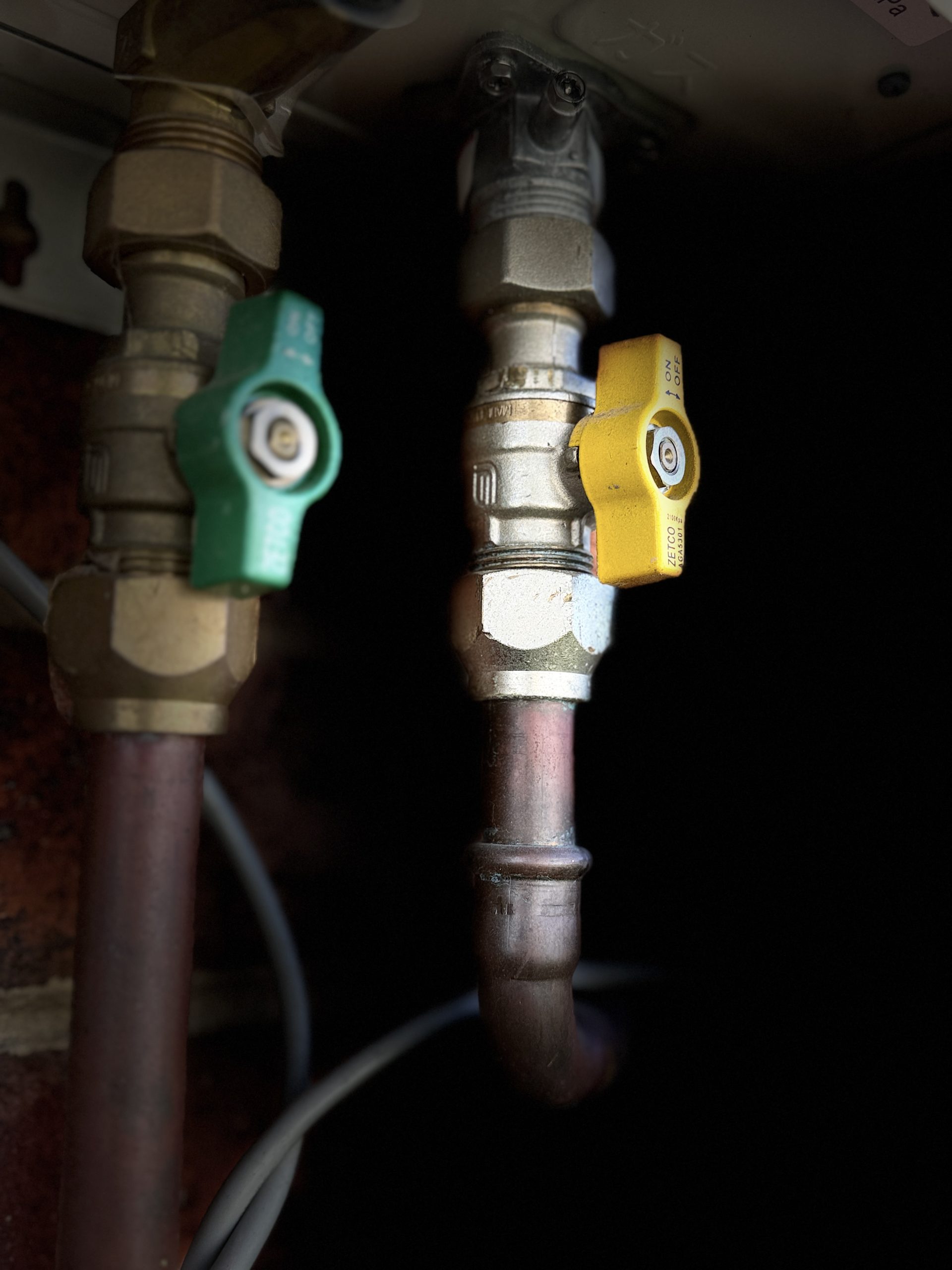
Why Is Your Hot Water System Not Heating?
A hot water system not heating is one of the most disruptive plumbing problems a Melbourne homeowner can face. In short, the most common causes include a faulty thermostat, a failed heating element, a tripped circuit breaker, a pilot light outage, or sediment build-up inside the tank. Identifying the root cause quickly can save you money and restore hot water fast.
Melbourne’s climate throws everything at your home — cold, damp winters in the south-east suburbs and scorching summer days that push hot water systems to their limits. Understanding why your system has stopped working means you can act decisively, whether that’s a simple DIY reset or calling in a licensed plumber.
Common Causes of a Hot Water System Not Heating in Melbourne Homes
There’s rarely just one reason a hot water system stops doing its job. The cause usually depends on whether you have an electric, gas, or solar unit. Below are the most frequent culprits Melbourne homeowners encounter.
Electric Hot Water System Issues
Electric storage systems are among the most common in Melbourne’s newer housing estates. When your hot water system not heating problem involves an electric unit, the likely suspects are a burnt-out heating element or a faulty thermostat. Both components wear down over time, especially in areas with hard water that accelerates sediment build-up inside the tank.
A tripped circuit breaker or a blown fuse is another easy-to-miss cause. Before calling anyone out, check your switchboard — if the hot water circuit has tripped, reset it and monitor whether the issue recurs. If it trips again immediately, there’s an underlying electrical fault that needs professional attention.
Gas Hot Water System Issues
Gas systems — both continuous flow (instantaneous) and storage — are popular across Melbourne’s established suburbs. If your pilot light has gone out, relighting it following the manufacturer’s instructions is often all that’s needed. However, if the pilot won’t stay lit, the thermocouple may have failed and will need replacing.
A faulty gas valve, blocked burner, or interrupted gas supply can also leave you without hot water. Always ensure your gas meter is on and that there are no outages in your area before assuming the worst. If you smell gas at any point, leave the area and contact your gas distributor immediately — do not attempt any repairs yourself.
Solar Hot Water System Issues
Solar hot water systems are increasingly popular in Melbourne’s outer south-eastern suburbs, where roof space is generous. During extended overcast periods — common in Melbourne winters — the solar collector simply can’t generate enough heat. Most systems have an electric or gas booster to cover these periods, so check whether your booster is functioning correctly.
Frost damage to roof-mounted collectors is also a real concern in Melbourne’s cooler outer areas. If your collectors have cracked or your circulation pump has failed, the system won’t transfer heat to the storage tank efficiently.
Sediment Build-Up: A Hidden Cause Melbourne Homeowners Overlook
Over years of use, minerals from Melbourne’s water supply settle at the bottom of your hot water tank. This sediment layer insulates the water from the heating element or burner, forcing the system to work harder and heat less effectively. You might notice rumbling or popping sounds coming from the tank — a classic sign of sediment trouble.
Flushing your hot water system annually is a straightforward maintenance task that can dramatically extend its service life. Refer to your system’s manual or ask a licensed plumber to perform a flush during a routine service visit.
Simple Checks You Can Do Yourself
Not every hot water problem requires a professional. Here are some checks you can safely carry out before making a call:
- Check your switchboard for a tripped circuit breaker or blown fuse on the hot water circuit.
- Inspect the pilot light on your gas unit and relight it if it has gone out, following the manufacturer’s guide.
- Verify your gas supply is on and there are no local outages.
- Check the temperature dial on your unit — it may have been accidentally turned down.
- Look for visible leaks around the tank, pressure relief valve, or connections.
- Confirm your solar booster switch is in the correct position during overcast weather.
If you’ve worked through this list and your hot water system not heating issue persists, it’s time to bring in a professional. Attempting repairs beyond these basic checks — particularly on gas systems — can be dangerous and may void your warranty.
For Melbourne homeowners in the south-east, you can find fast, local help through our emergency plumber in Cranbourne North or our emergency plumber in Clyde North — both available 24/7 with no call-out fee.
Australian Standards and Your Hot Water System
Hot water systems in Australia must comply with AS/NZS 3500, the national plumbing and drainage standard, as well as Victorian plumbing regulations administered by the Victorian Building Authority. This means all installation, repair, and replacement work must be carried out by a licensed plumber — it’s not just best practice, it’s the law.
Water temperature is also regulated for safety. Under Australian guidelines, hot water must be stored at a minimum of 60°C to prevent Legionella bacteria growth, but delivered at the tap at no more than 50°C for most household uses. If your thermostat is set incorrectly, you may be inadvertently creating a health risk.
When to Call a Professional
If your basic checks haven’t resolved the problem, or if you’re dealing with a gas leak, persistent electrical faults, a leaking tank, or a system that’s more than 10–15 years old, it’s time to call a licensed plumber. Delaying repairs on a failing hot water system can lead to water damage, energy waste, and complete system failure — often at the worst possible time.
The Plumbing & Roofing Company services Melbourne’s south-eastern suburbs around the clock. Whether you’re in Lynbrook, Hampton Park, Hallam, or anywhere in between, our licensed team is ready to diagnose and fix your hot water problem fast. If you need urgent help, our emergency plumber in Lynbrook and emergency plumber in Hampton Park offer 24/7 service with transparent, fixed pricing. Call us today and get your hot water restored without the stress.
Conclusion
A hot water system not heating in your Melbourne home is never something to ignore. From faulty thermostats and dead heating elements to sediment build-up and pilot light failures, the causes are varied — but most are fixable when caught early. Start with the simple checks outlined above, and if the problem runs deeper, don’t hesitate to call in a licensed professional.
Regular servicing, correct temperature settings, and prompt attention to warning signs will keep your system running efficiently for years to come. The Plumbing & Roofing Company is here to help Melbourne homeowners get back to reliable hot water quickly — reach out to our team any time, day or night.
Frequently Asked Questions
Why is my hot water system running but not heating the water?
If your system is running but producing cold or lukewarm water, the most likely causes are a failed heating element (electric systems), a faulty thermocouple or burner (gas systems), or a malfunctioning thermostat. Sediment build-up at the bottom of the tank can also prevent efficient heat transfer. A licensed plumber can diagnose and replace the faulty component quickly.
How long should a hot water system last in Melbourne?
Most electric and gas storage hot water systems last between 8 and 12 years with regular maintenance. Continuous flow (instantaneous) gas systems can last up to 20 years. Melbourne’s water quality and usage patterns affect lifespan, so annual servicing and prompt repairs are the best way to maximise your system’s life.
Is it safe to try to fix my hot water system myself?
Basic checks — such as resetting a circuit breaker, relighting a pilot light, or adjusting a temperature dial — are generally safe for homeowners. However, any repair involving gas components, electrical wiring, or internal tank parts must be performed by a licensed plumber or gasfitter under Australian and Victorian regulations. Unlicensed work can void warranties and create serious safety hazards.
How much does it cost to repair a hot water system in Melbourne?
Repair costs in Melbourne vary depending on the fault and system type. Replacing a heating element or thermostat typically costs less than a full system replacement. Getting a fixed-price quote from a licensed plumber before work begins is always recommended so there are no surprises on the final invoice. For more about what we do, visit our homepage.


