

The Quick Answer: How to Unclog a Drain at Home
Knowing how to unclog a drain can save you time, money, and a whole lot of frustration. In most cases, a blocked drain is caused by a build-up of hair, grease, soap scum, or food scraps — and you can clear it yourself using simple tools and household products. Start with a plunger or a boiling water flush before reaching for chemicals.
Why Melbourne Homes Are Prone to Blocked Drains
Melbourne’s older suburbs are full of homes with ageing pipe systems — clay pipes, cast iron, and narrower diameter drains that simply weren’t designed for modern household demands. In newer estates across the south-east, rapid development can mean tree root intrusion is already a problem within just a few years of a home being built.
Melbourne’s variable climate also plays a role. Autumn leaf fall clogs outdoor stormwater drains, and the city’s hard water contributes to mineral scale build-up inside pipes over time. Understanding what’s causing your blockage helps you choose the right solution.
Common Causes of Blocked Drains
- Hair and soap scum — the most common culprit in bathroom basins and shower drains
- Grease and food scraps — build up in kitchen sink waste pipes over time
- Wet wipes and sanitary items — these should never be flushed, regardless of “flushable” labelling
- Tree root intrusion — roots seek out moisture and can crack or block sewer lines
- Mineral scale — calcium and limescale deposits narrow pipe walls gradually
- Foreign objects — common in homes with young children
How to Unclog a Drain: Step-by-Step DIY Methods
1. Boiling Water Flush
This is your first port of call for a slow-draining kitchen sink. Carefully pour a full kettle of boiling water directly down the drain in two or three stages, allowing it to work between each pour. This method is highly effective at dissolving grease and soap build-up without any chemicals or tools.
Be cautious with PVC pipes — very high temperatures can soften the material. Use very hot (not boiling) water if you’re unsure of your pipe material.
2. Plunger Technique
A cup plunger works well on bathroom basins and kitchen sinks, while a flange plunger is better suited to toilets. Cover the overflow opening with a wet cloth to create proper suction, then plunge firmly 10–15 times. Lift sharply on the final stroke to dislodge the blockage.
3. Baking Soda and White Vinegar
Pour half a cup of baking soda down the drain, followed immediately by half a cup of white vinegar. Cover the drain and let the fizzing reaction work for 15–20 minutes, then flush with hot water. This is a safe, eco-friendly method that also deodorises your drain — a great option for regular maintenance too.
4. Drain Snake or Plumber’s Auger
A hand-operated drain snake is an inexpensive tool available at any hardware store. Feed the cable into the drain, rotate the handle, and work it through the blockage until you feel resistance ease. This method is particularly effective for hair clogs in bathroom drains and is worth having in your home toolkit.
5. Chemical Drain Cleaners — Use With Caution
Commercial drain cleaners can dissolve organic blockages quickly, but they come with real downsides. Caustic products can damage older pipes, harm your hot water system seals, and pose safety risks if splashed. If you do use one, always follow the manufacturer’s instructions and ensure adequate ventilation. Avoid using them repeatedly — if a drain keeps blocking, there’s likely a deeper issue.
What NOT to Do When Unclogging a Drain
Avoid using a wire coat hanger as a makeshift snake — it can scratch and damage pipe linings. Never mix chemical drain cleaners together or combine them with baking soda solutions, as dangerous reactions can occur. And don’t ignore a recurring blockage; it’s often a sign of a more serious problem deeper in your drainage system.
For homes with a septic system, be especially mindful of what goes down the drain. Harsh chemicals can kill the beneficial bacteria your septic tank relies on. You can find guidance on responsible household wastewater management through the EPA Victoria’s onsite wastewater management resources.
Keeping Your Drains Clear: Preventive Tips
Prevention is far cheaper than a call-out. Fit hair-catcher screens over your shower and bath drains — they’re inexpensive and dramatically reduce the frequency of blockages. Run hot water down your kitchen sink for 30 seconds after washing dishes to keep grease moving through the pipes.
Once a month, use the baking soda and vinegar method as a maintenance flush. If you have large trees near your sewer line, consider scheduling a CCTV drain inspection every couple of years to catch root intrusion early. If you’re in Melbourne’s south-east, our emergency plumber in Cranbourne North and surrounding areas can carry out these inspections quickly.
When to Call a Professional
Some blockages simply can’t be cleared with DIY methods — and attempting to force them can make things worse. It’s time to call a licensed plumber if you notice:
- Multiple drains blocked at the same time (a sign of a main sewer blockage)
- Gurgling sounds coming from your toilet when you run the sink
- Sewage odour inside your home
- Water backing up into other fixtures
- A drain that keeps blocking despite repeated clearing
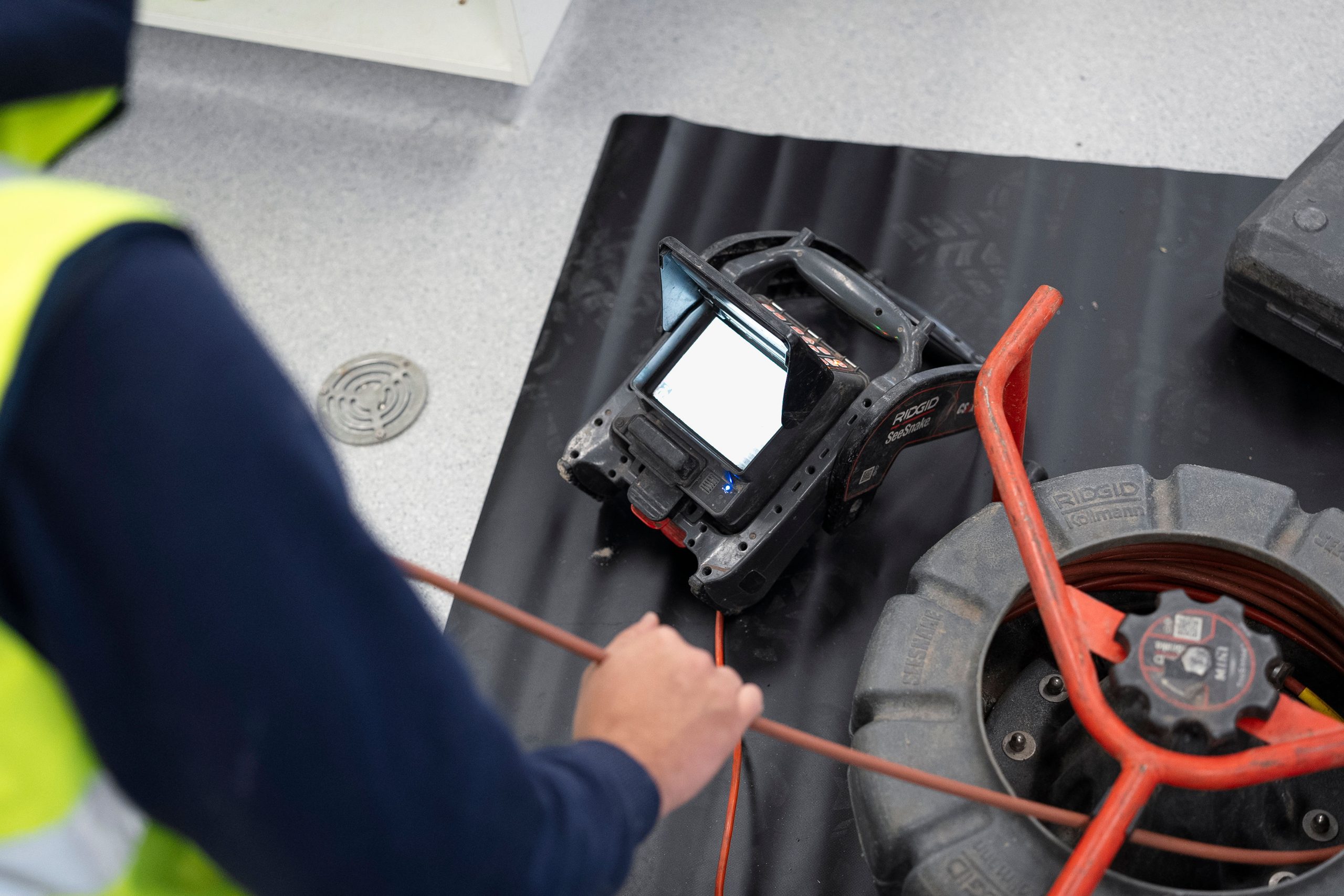
These situations can indicate tree root intrusion, a collapsed pipe, or a blockage deep in your sewer line — all of which require professional drain clearing equipment like a high-pressure water jetter or CCTV drain camera. The Plumbing & Roofing Company services Melbourne’s south-east suburbs with 24/7 availability and fixed pricing. Whether you’re in Lynbrook, Hallam, or Narre Warren, you can reach a licensed local plumber fast — including through our emergency plumber in Lynbrook service. Don’t wait for a blocked drain to become a plumbing emergency — call early.
Conclusion
Understanding how to unclog a drain means you can handle most minor blockages confidently at home using a plunger, baking soda and vinegar, or a drain snake. Regular maintenance habits — like drain screens and monthly flushes — will dramatically reduce how often you deal with the problem in the first place.
That said, some blockages are beyond DIY, and recognising when to call in a professional saves you from costly pipe damage down the track. If you’re dealing with a stubborn or recurring blocked drain anywhere in Melbourne’s south-east, get in touch with The Plumbing & Roofing Company for fast, reliable, and fairly priced help.
Frequently Asked Questions
Can I use boiling water to unclog any drain?
Boiling water is safe for metal pipes and works well on grease or soap blockages in kitchen sinks. If your home has PVC pipes, use very hot water rather than a full boil to avoid softening the pipe material. It’s always a good first step before trying stronger methods.
How do I know if my drain blockage is in the main sewer line?
If multiple drains in your home are slow or blocked at the same time, or if flushing the toilet causes water to back up in the shower or basin, the blockage is likely in your main sewer line. This requires a licensed plumber with specialised equipment — it’s not a DIY fix.
Are chemical drain cleaners safe to use regularly?
No — frequent use of caustic chemical drain cleaners can degrade pipe joints and seals over time, especially in older homes. They’re best used sparingly and as a last resort before calling a plumber. Regular maintenance with baking soda and vinegar is a much safer long-term habit.
How often should I have my drains professionally inspected in Melbourne?
For most Melbourne homes, a professional drain inspection every two to three years is a sensible precaution — particularly if you have mature trees near your sewer line or live in an older property. A CCTV drain inspection can identify root intrusion, cracks, or scale build-up before they become serious problems.


