

Busted water pipes are one of the most common and costly plumbing problems faced by homeowners in Cranbourne, Australia. Even a small crack in a pipe can quickly turn into serious water damage, affecting walls, flooring, and your home’s structure.
Changing weather conditions, aging plumbing systems, and high water pressure often contribute to busted water pipes, especially if regular maintenance is ignored. The good news is that most cases of busted water pipes can be prevented with simple checks and timely action. In this guide, I’ll explain the main causes, early warning signs, and practical steps you can take to prevent busted water pipes and protect your home from unexpected damage.
Why Do Busted Water Pipes Happen?
First, it’s important to note that water behaves unpredictably when it freezes. As it cools to 4°C, it reaches its smallest volume, but once it hits 0°C and freezes, it expands by about 10%. That sudden expansion packs a punch; for example, that 10% increase can create 13–30 times the normal pressure in a pipe, often leading to busted water pipes. In simple terms, frozen water can burst even a sturdy copper pipe like a grape squeezing the side of a balloon. While Cranbourne’s winters rarely drop below freezing (lows around 3–7°C), those cold snaps can still catch exposed pipes off guard, especially at night or in uninsulated roof spaces.
But freezing isn’t the only culprit. Aging or corroded pipes, excessive water pressure, and physical strain can also cause leaks to suddenly become ruptures. For instance, rigid copper pipes may crack at joints if they’ve been through multiple freeze-thaw cycles.
Hard water can deposit minerals inside pipes, reducing flow and increasing pressure, which can eventually lead to busted water pipes. And don’t forget rapid temperature swings: a blast of hot water after a long cool night can stress older plumbing. In Australia, plumbing codes even require special protection in cold climates (like burying outdoor pipes 300mm deep or wrapping them in insulation), which shows how important it is to prevent issues like busted water pipes.
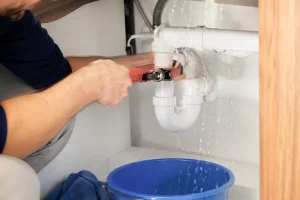
busted water pipes
Put it bluntly: a busted water pipe often comes down to hidden pressure + water = leak explosion. For example, a blocked drain can cause upstream pressure to build, or a faulty dishwasher hose can burst under load. Left unchecked, that leak can flood a whole wall or floor in minutes. In fact, research shows plumbing emergencies usually don’t just “happen out of the blue”; they start as small issues (like a tiny leak or a worn hose) that finally give way during a seasonal change or stress event. That’s why knowing what to look for before the big burst is key.
Early Warning Signs of a Busted Water Pipe
Your home actually gives several “hey, something’s wrong” signals well before a pipe explodes. Keep an eye (and ear) out for these red flags:
- Unexplained water on floors or walls. Even a single drip, bulging ceiling spot or damp patch can mean a hidden leak. Wet carpets or warped floorboards are even stronger signals that a pipe might be leaking or about to blow.
- Spiking water bills. This is a silent alarm. If your water usage jumps with no obvious reason terrace’s holiday in Queensland suspect a hidden leak (and a potentially busted pipe) somewhere.
- Moldy or musty odors. A funny smell in an otherwise dry room often means busted water pipes are causing water to seep somewhere. Stale, damp smells or mildew in ceilings and cupboards are clues that moisture’s creeping behind the scenes.
- Weird noises in pipes. Hissing, gurgling or unusual water sounds when all taps are off can point to pressure in a broken line. Imagine a quiet night and then a ghostly drip-drip-drip… your ceiling’s first hint.
- Rusty or discolored water. This suggests corrosion inside a pipe, which can precede cracks or holes. If your tap water looks brown or gritty, it’s time to investigate.
- Loss of water pressure. If your normally strong flow has become a sad trickle, water may be diverting out of a crack instead. Sure, it could be a supply issue, but check your pipes too.
- Visible bulging or cracks. Sometimes the leak is literally visible: bulging walls, cracked plaster or peeling paint where pipes run are red flags.
These signs are your early warnings; catch them and you might avoid a soggy nightmare. In the words of a Victorian plumbing expert, “Subtle signs such as unexplained moisture or changes in water pressure often point to hidden problems in Australian homes. ” If you notice anything off, start digging (literally) or call in a plumber to pinpoint the issue.
Tips to Prevent Busted Water Pipes
Let’s face it: we can’t control Aussie weather, but we can control our response to it. Here are practical steps to batten down the hatches (and pipes) during Cranbourne’s cool seasons and beyond.
- Insulate Exposed Pipes. Foam pipe insulation sleeves or heat tape are your friends. Check unheated areas like garages, roof spaces or crawl spaces for any bare pipework. Wrapping these with insulation keeps them cozy and far less likely to freeze. (Even a small drip outside can freeze up and crack a pipe later.) Think of it like bundling your pipes in a blanket!.
- Keep Water Flowing Gently. During really cold nights, crack open a distant faucet just so water drips slowly. Yes, wasting a little water is better than losing a wall to frost. The trickle keeps pressure from building up in a frozen section and helps keep things moving. This is especially wise on super cold mornings in Cranbourne.
- Seal Drafts and Open Windows. Cold air sneaking in around windows, vents or external walls can chill your pipes. Check for gaps in walls or ceilings near plumbing and seal them with caulk or insulation. Also, if pipes run under sinks or cabinets, open the doors on those cabinets when it’s really cold. Letting warm indoor air circulate helps keep those pipes above freezing.
- Turn Off & Drain Outdoor Hoses. Disconnect hoses from your outside taps and drain any water left in them. Leave taps in the house open just a bit to let any residual water escape. If you have an outdoor tap switch (often near the garden hose bib), turn that off too. Even in mild Aussie winters, water left in a hose or tap can freeze and crack the fitting.
- Maintain a Safe Home Temperature. In really cold snaps, resist the urge to turn your heater way down or off to avoid busted water pipes. Instead, keep your home (and roof space if accessible) at a steady moderate temperature. Even a small ceramic heater in a chilly corner or basement can help prevent busted water pipes and save on insulation costs (just be mindful of safety).
- Check Pipes After Home Upgrades. Doing renovations or installing new appliances is a great chance to future-proof your plumbing. For example, when you get an electric hot water heater installed, ask the plumber to inspect and insulate nearby pipes. New hot water systems often include fresh piping, so take that moment to switch to high-quality insulated or flexible lines. (Besides, modern electric heaters are safer and more efficient anyway.)
- Plan Ahead for Vacations. If you’ll be away during winter, consider shutting off the main water supply at the meter and draining pipes by running all taps before you leave. No water flow, no risk of freezing. Or have a neighbor check in to run a tap occasionally.
Those actions alone wrapping pipes, dripping taps, sealing gaps, etc., can make a big difference. Remember, a tiny leak in freezing weather becomes a big leak later. As one pipe expert said, “During extreme cold, allow your faucets to drip slowly…by keeping the water flowing and relieving pressure in the pipes, this tip lowers the chance of freezing and pipe bursting.” In short, treat your plumbing like you would a garden: water it (just a little) and keep it covered up in winter.
DIY Maintenance and Preventative Checks
Routine upkeep is your best insurance against surprise floods. You don’t need expensive gadgets; just a weekly glance and a few simple tasks can catch trouble early:
- Regular Visual Inspections. Walk around inside and out inspecting visible pipes, faucets and appliances. Look for drips, rust, white mineral deposits, or green copper oxidation. Under sinks and behind laundry appliances are key spots. If a pipe looks “sweaty” or rusty, it may fail soon.
- Monitor Your Water Meter. Turn off all taps and check the meter overnight, following basic water authority guidance. If it moves, you’ve got a leak. This catch-’em-early trick can find even hidden slow leaks before they turn into a busted pipe or water bill shock.
- Keep Drains Clean Call for Drain Blockage Removal. A clogged drain can push back and stress your pipes. Don’t pour oils or food scraps down the sink. Periodically flush drains with a safe cleaner or have a plumber perform a drain blockage removal. Healthy clear drains mean less pressure on your system and a lower chance of a burst pipe upstream.
- Check Flexible Hoses. Washing machines, dishwashers and refrigerators often use rubber or braided hoses. These wear out. Look for bulging, cracks, or rust on the clamps. Replace flexible hoses every few years even if they seem fine. In fact, plumbing experts note that flexible hoses are a common point of failure in burst-pipe incidents, and proactive replacement is cheap insurance.
- Test Pressure Regulators. High water pressure puts stress on joints and can accelerate leaks. Many Aussie homes have pressure-reducing valves; check that one too. Ask a plumber to measure your pressure and adjust if it’s too high.
- Service Your Hot Water System. If you haven’t done it in a few years, flush your hot water tank (if it’s electric or gas) to remove sediment. Check the temperature/pressure relief valve for leaks. Scaling or sediment in the tank can send weird surges through the plumbing. And again, if you’re installing an electric hot water heater (for example), choose one with a plumber’s help to ensure connections are tight and insulated.
- Build a Relationship with a Plumber. Seriously, this isn’t just marketing talk. Master Plumbers of NSW advise homeowners to “be proactive in their home maintenance and establish a relationship with their local plumber before an incident occurs”. If you find a good local cheap plumbing service or handyman plumber, keep their number handy for small jobs. Having someone come yearly for a quick check-up can prevent those sneak leaks from becoming catastrophes.
By doing these checks, you’re being proactive. They’re the difference between catching a hairline crack and staring at a half-meter waterfall through your living room wall.
When to Call an Emergency Plumber
Even the best DIY can’t fix everything. Some situations need a pro (and fast). If you spot or hear any of these, call emergency plumbing services immediately:
- Major Leakage or Flooding. If a wall is bulging with water, a whole room is pooling, or a pipe bursts wide open, time is of the essence. Shut off the main water valve right away (it’s usually near the meter or inside a front boundary box) and ring your plumber. Don’t try to patch a big hole yourself; a licensed plumber has the tools (and training) to locate and stop the leak before the house gets soaked.
- Water Seeping into Live Electrical Areas. If water is near power outlets or appliances, turn off electricity at the switchboard (safety first!) and call an emergency plumber or electrician. Water + electricity is a deadly combo, so don’t take chances.
- Gas Hot Water Heater Issues. If your hot water heater is gas or LPG and starts leaking, even drips, get a pro. For safety, turn off the gas supply and water until the plumber arrives. (Even electric heaters can flood if they crack, so treat any hot water system leak as urgent.)
- No Water in House. If water stops coming out of taps and you suspect a burst main, call your plumber. They can check the public supply and your pipework. (And check your neighbors; if they have water, the issue is inside your house.)
- Unusual Noises at Night. A sudden loud pipe bang (water hammer) or ice-forming crackling noise could mean failure. Again, cut the water and call an emergency number if needed.
Most emergency plumbers advertise 24/7 service, so put their number in your phone now. It’s a small price (both stress and money) to ensure a pro is on call for disaster-averting help. And yes, sometimes the cheapest option isn’t safe. Look for licensed emergency plumbing services; they might cost a bit more, but they’ll know exactly how to stop the problem now, with minimal further damage.
Keep this in mind: RACV experts say acting quickly is crucial. If a leak appears uncontrollable or you can’t find the source, “arrange urgent professional assistance” immediately. Even a 5-minute delay can mean water seeping through walls or wood, multiplying repair costs.
Conclusion
No one wants to deal with busted water pipes, but a stitch in time saves nine (and thousands of dollars). From wrapping pipes and dripping taps to catching tiny leaks, the prevention steps above can turn you from a vulnerable homeowner into a savvy guardian of your Cranbourne castle. Remember, water damage is one of the top home insurance claim causes here, but a bit of elbow grease and vigilance can keep you off that list.
Be your home’s hero: check your pipes today, upgrade old hoses, and make those quick fixes. If you do all this and still face trouble, have a licensed plumber on speed dial – whether it’s a cheap plumbing service for routine maintenance or an emergency plumbing service for the nightmare scenarios. Prevention truly beats cleanup, so take action now.
Stay dry, stay safe, and share this guide with any friends or family who might benefit. Have your own wild pipe tale or clever tip? Drop it in the comments below; we’d love to hear how you outsmart the next frost or flood!
Frequently Asked Questions
Q: What should I do immediately when a pipe bursts?
A: Turn off the main water supply at once and move valuables away from the leak. Open faucets to drain excess water, then call emergency plumbing services for help.
Q: Can I fix a leaking pipe myself?
A: Small drips can sometimes be patched with tape or sealant, but a true burst pipe needs a plumber. For safety, shut off water and call a licensed plumber ASAP.
Q: How do I know if my pipes might freeze in Cranbourne?
A: Check weather forecasts and home temps. Even a 4°C night can risk a freeze. Insulate any exterior or unheated space pipes and run a slow drip on very cold evenings.
Q: Does home insurance cover damage from burst pipes?
A: Often yes, if it’s sudden and accidental. However, damage from gradual wear (wear and tear) may not be covered. Always document maintenance and know your policy details.
Q: What routine maintenance prevents busted pipes?
A: Regularly insulate pipes, drain outdoor hoses, check for leaks (especially under sinks and behind toilets), clean gutters and drains, and test your pressure regulator. Calling a plumber for annual checks helps catch problems early.
Q: How can I find cheap plumbing services that I can trust?
A: Look for local tradespeople with good reviews. Many small plumbing businesses offer affordable inspection specials. Just ensure they’re licensed a cheap unlicensed fix can cost more later.


