

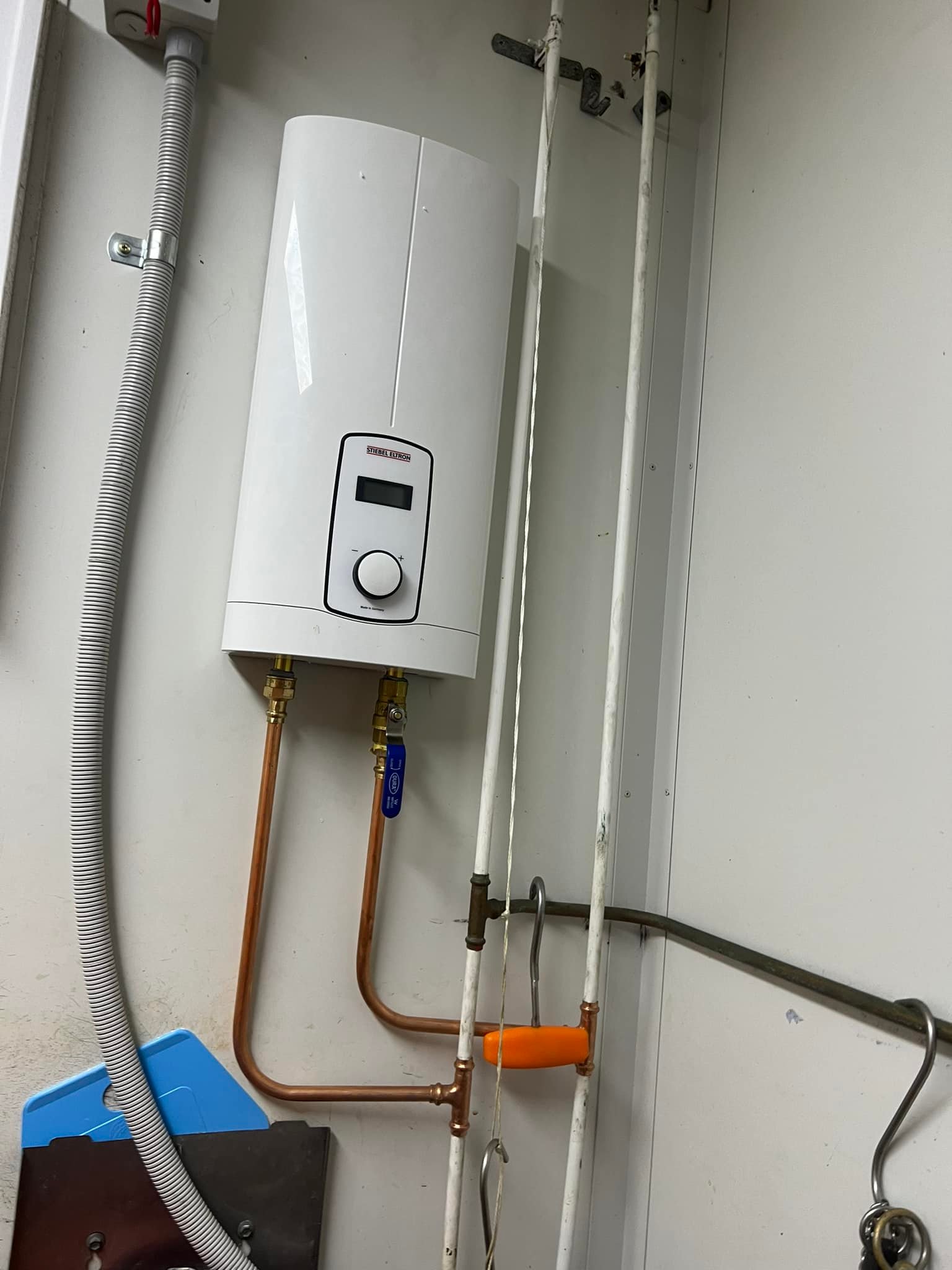
So, why do you need to flush a hot water heater? In short: sediment, minerals, and debris build up inside your tank over time, reducing efficiency, shortening the unit’s lifespan, and potentially contaminating your hot water supply. For Melbourne homeowners, where water mineral content varies significantly across suburbs, this routine maintenance task is more important than many people realise.
What Happens Inside Your Hot Water System Over Time
Every time your hot water system heats water, dissolved minerals — primarily calcium and magnesium — separate out and sink to the bottom of the tank. This process is known as sediment accumulation, and it’s completely natural. However, left unchecked, that layer of sediment becomes a serious problem.
The sediment acts as an insulating barrier between the heating element (or gas burner) and the water above it. Your system then has to work harder and run longer to reach the set temperature. Over a Melbourne winter, when demand for hot water peaks, this extra strain can push an already-stressed system toward failure.
Why Do You Need to Flush a Hot Water Heater? The Core Reasons
Flushing your hot water heater addresses several distinct problems at once. Here are the primary reasons this maintenance task should be on your annual home care checklist:
- Improved energy efficiency: Removing sediment allows heat to transfer directly to the water, cutting energy consumption and reducing your power or gas bills.
- Extended system lifespan: Overheating caused by sediment buildup accelerates corrosion inside the tank, leading to premature failure. Regular flushing can add years to your system’s life.
- Better water quality: Accumulated sediment can harbour bacteria and create discoloured or foul-smelling hot water — not something you want in your morning shower.
- Reduced noise: That popping or rumbling sound your hot water system makes? That’s often water boiling beneath a thick layer of sediment. Flushing eliminates the cause.
- Maintained warranty validity: Many hot water system manufacturers require evidence of regular maintenance to honour warranty claims. Skipping flushes could void your cover.
- Pressure relief valve function: Flushing also gives you the opportunity to test the temperature and pressure relief (TPR) valve, a critical safety component under Australian standards.
Melbourne’s Water Supply and Why It Matters for Your Hot Water System
Melbourne’s water supply is sourced primarily from mountain catchments and is considered relatively soft compared to many other Australian cities. However, water hardness can still vary depending on your suburb, your plumbing infrastructure, and seasonal blending from different reservoirs.
In outer south-eastern suburbs — from Cranbourne through to Clyde North and Lyndhurst — older infrastructure and varying supply sources can mean slightly higher mineral loads reaching your taps. Even moderately hard water accelerates scale formation inside your hot water tank, making flushing an essential part of home maintenance in these areas.
If you’re unsure about your local water quality, a licensed local plumber in Clyde North or surrounding areas can assess your system and advise on the right maintenance schedule for your specific conditions.
How Often Should You Flush Your Hot Water Heater?
For most Melbourne households, flushing your hot water system once every 12 months is a reasonable baseline. However, if your system is older, your household uses high volumes of hot water, or you’ve noticed any of the warning signs below, you may need to flush more frequently.
Warning signs that your system needs attention sooner rather than later include:
- Discoloured or rusty-looking hot water coming from your taps
- A sulphurous or metallic smell from your hot water
- Rumbling, popping, or banging noises from the tank
- Noticeably longer time to heat water than usual
- Unexplained increases in your energy bill
Australian standards, including guidance under Energy Safe Victoria, recommend that hot water systems be maintained regularly and that safety devices such as TPR valves be inspected at least annually by a licensed plumber.
Can You Flush a Hot Water Heater Yourself?
In some cases, a competent homeowner can perform a basic flush on a storage hot water system. The general process involves turning off the power or gas supply, connecting a garden hose to the drain valve, and allowing the tank to drain until the water runs clear. You should always let the water cool before attempting this to avoid scalding.
That said, there are real risks involved. Drain valves on older tanks can seize or fail when opened for the first time in years, leading to leaks or flooding. If your system is gas-powered, relighting the pilot and checking for correct combustion requires specific knowledge. For households in areas like Hampton Park or Hallam with older plumbing, it’s often safer and more cost-effective to have a professional handle it.
When to Call a Professional
If you notice any of the warning signs mentioned above, if your system is more than eight years old, or if you simply aren’t confident working around gas or high-temperature water systems, it’s time to call a licensed plumber. Attempting DIY repairs on a faulty hot water system can result in serious injury, water damage, or voided insurance claims.
The Plumbing & Roofing Company services Melbourne’s south-eastern suburbs and offers expert hot water system maintenance, including full system flushes, sediment removal, TPR valve testing, and general inspections. Whether you’re in Narre Warren, Lynbrook, or anywhere in between, their licensed team can keep your hot water system running safely and efficiently. Contact The Plumbing & Roofing Company today to book your hot water system service.
Conclusion
Understanding why do you need to flush a hot water heater comes down to one simple idea: preventative maintenance saves you money, protects your health, and extends the life of a system you rely on every single day. For Melbourne homeowners, annual flushing is not optional — it’s essential.
Don’t wait for a cold shower or a flooded laundry to take action. Book a professional hot water system flush with The Plumbing & Roofing Company and give your system the care it deserves before Melbourne’s next cold snap hits.
Frequently Asked Questions
How long does it take to flush a hot water heater?
A professional hot water system flush typically takes between 30 minutes and one hour, depending on the size of the tank and the amount of sediment present. Larger storage systems or tanks that haven’t been flushed in several years may take a little longer.
Will flushing my hot water system fix discoloured water?
In many cases, yes. Discoloured hot water is often caused by sediment or rust particles disturbed inside the tank. Flushing removes this material and should restore water clarity. If discolouration persists after a flush, it may indicate internal tank corrosion, and your system may need replacing.
Is it safe to flush a hot water heater on my own?
Basic flushing can be done by a careful homeowner on a relatively new electric system, but it carries risks — particularly with gas systems or older tanks where valves may have seized. If you’re unsure, it’s always safer to engage a licensed plumber to avoid injury or accidental damage to your system.
Does flushing a hot water heater really save energy?
Yes. Studies and industry data consistently show that sediment buildup forces your system to use significantly more energy to heat the same volume of water. Removing that sediment through regular flushing restores heating efficiency and can produce a noticeable reduction in your energy bills over time. For more about what we do, visit our homepage.


