

The Quick Answer: Why Your Solar Hot Water Isn’t Heating
If you’re asking why is my solar hot water system not heating up, the most common culprits are shading or dirty collector panels, a faulty booster element, an air-locked circulation pump, or a failed tempering valve. In Melbourne’s variable climate, any one of these issues can leave you with a cold shower — but many are straightforward to diagnose before you pick up the phone.
How Solar Hot Water Systems Work in Melbourne
Solar hot water systems use roof-mounted collector panels to absorb heat from the sun and transfer it to water stored in a tank — either on the roof (close-coupled) or at ground level (split system with a circulation pump). Melbourne’s four-seasons-in-one-day weather means your system needs to be in top condition to perform reliably year-round.
Most Melbourne homes also have a gas or electric booster element that kicks in during cloudy stretches or periods of high demand. When the solar side underperforms, the booster is supposed to pick up the slack — but if both fail simultaneously, you’ll notice very quickly.
Common Reasons Your Solar Hot Water System Is Not Heating Up
Before calling anyone out, it’s worth working through the most likely causes systematically. Here are the most frequent problems Melbourne homeowners encounter:
- Dirty or shaded collector panels: Dust, bird droppings, and leaf debris reduce heat absorption significantly. Even partial shading from a newly grown tree branch can cut output dramatically.
- Faulty or tripped booster element: Your electric or gas booster may have tripped a circuit breaker, blown a fuse, or simply reached end of life. Check your switchboard first.
- Circulation pump failure: In split systems, a failed pump means heated water never reaches the storage tank. You may hear the pump running but feel no heat — or hear nothing at all.
- Air lock in the system: Air trapped in the collector loop prevents proper thermosiphon or pumped circulation, reducing efficiency to near zero.
- Faulty tempering valve: A failed tempering (thermostatic mixing) valve can deliver lukewarm or cold water even when the tank is hot.
- Sacrificial anode depletion: The anode rod inside your storage tank protects against corrosion. When it’s depleted, tank damage and sediment build-up can follow, affecting heating performance.
- Controller or sensor fault: The differential controller that governs when the pump runs relies on accurate temperature sensor readings. A faulty sensor can prevent the pump from activating even on a sunny day.
Simple Checks You Can Do Yourself
There are several things you can safely inspect without any plumbing licence. Start by checking your switchboard — a tripped circuit breaker for the booster element is one of the most common and easily fixed issues. Reset it and monitor whether hot water returns within a couple of hours.
Next, head up to your roof (safely) or use binoculars from ground level to look for obvious debris, shading, or physical damage to the collector panels. A good clean with a soft brush and water can make a noticeable difference to heating output. If you’re in Melbourne’s south-east and need urgent assistance after ruling out simple fixes, you can reach an emergency plumber in Cranbourne North or surrounding suburbs quickly.
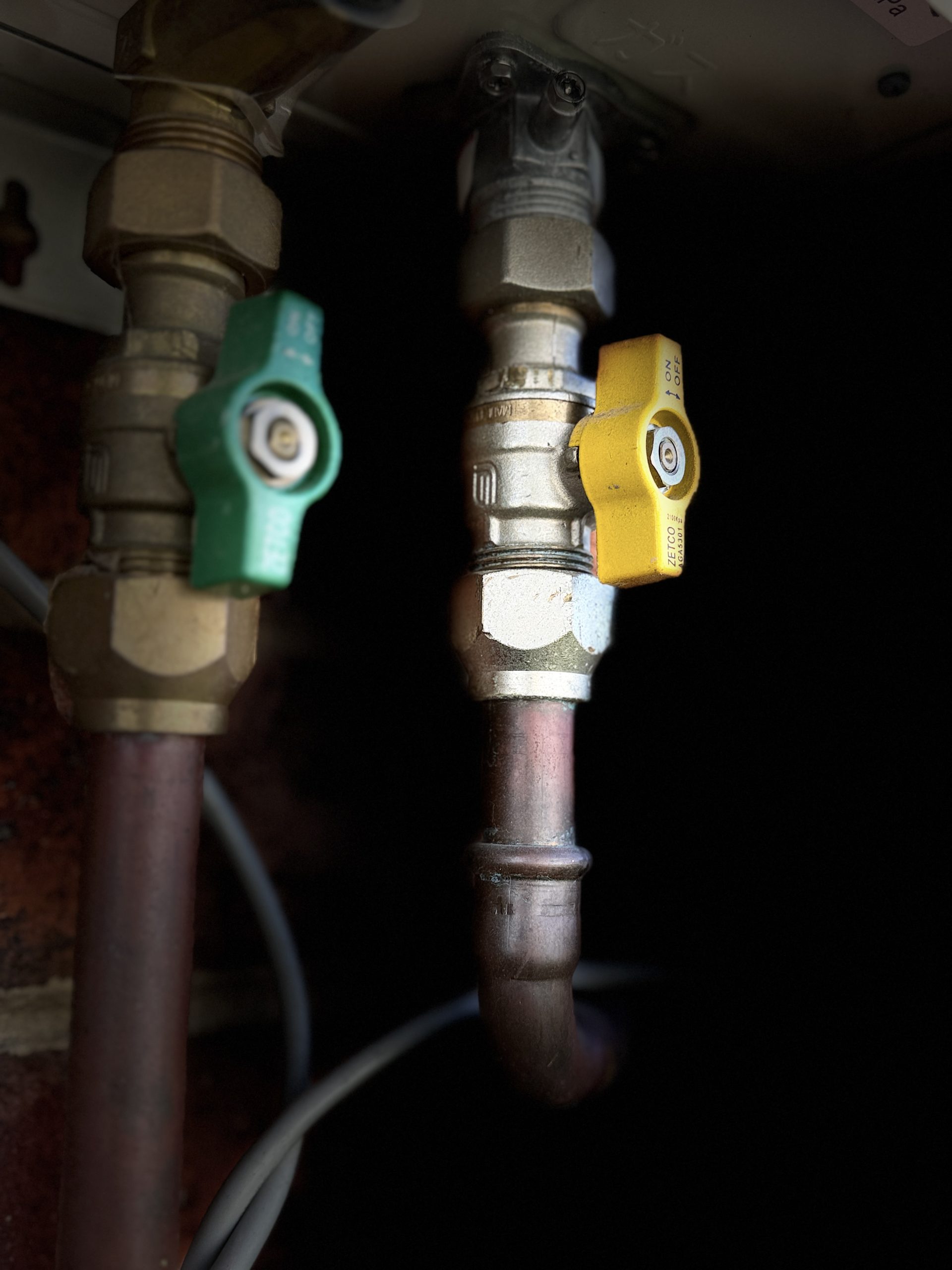
Also check that all isolation valves on the system are fully open. It sounds obvious, but valves accidentally knocked to a closed or partially closed position are a surprisingly common cause of poor performance after any recent work nearby.
Why Is My Solar Hot Water System Not Heating Up in Winter?
Melbourne winters bring overcast skies, shorter days, and lower sun angles — all of which reduce the energy your collectors can harvest. If your booster element is functioning correctly, it should compensate during these periods. If you’re still getting cold water through July and August, the booster itself is likely the problem rather than the solar panels.
It’s also worth knowing that under Australian Standard AS/NZS 3500, hot water systems must deliver water at safe temperatures to prevent scalding and Legionella risk. Your tempering valve should be set to deliver water at 50°C at the tap — if it’s set too low or has failed, you may get lukewarm water even from a fully functioning system. For guidance on safe hot water temperatures, the Victorian Department of Health provides relevant information on hot water safety and Legionella prevention.
Maintenance That Prevents Heating Problems
Routine servicing every 3–5 years is recommended for most solar hot water systems in Melbourne. Key maintenance tasks include inspecting and replacing the sacrificial anode, checking all pressure relief valves, flushing sediment from the tank, and testing the tempering valve. Keeping on top of these tasks dramatically reduces the chance of waking up to cold water on a winter morning.
If your system is more than 10–15 years old and showing repeated faults, it may be more cost-effective to consider a replacement rather than ongoing repairs. A licensed plumber can assess whether repair or replacement makes better financial sense for your household. Homeowners in Melbourne’s growing south-east corridor can also visit our Clyde North emergency plumbing page for fast local support.
When to Call a Professional
Some solar hot water faults genuinely require a licensed plumber or gasfitter to diagnose and repair safely. You should call a professional if you notice any of the following:
- Water leaking from the tank, collector panels, or any visible pipework
- The pressure relief valve discharging water continuously
- Discoloured or foul-smelling hot water coming from your taps
- No improvement after resetting the booster and cleaning the panels
- Any fault with gas-boosted components
The Plumbing & Roofing Company services Melbourne’s south-east suburbs with 24/7 availability and fixed pricing, so you’re never left guessing about costs. Whether you’re in Hampton Park, Hallam, Lynbrook, or Narre Warren, our licensed team can diagnose and repair your solar hot water system promptly. Call us today or visit our website to book a service.
Conclusion
Understanding why is my solar hot water system not heating up starts with a systematic check — dirty panels, a tripped booster, pump failure, or a faulty tempering valve are the most common causes in Melbourne homes. Many issues can be identified with a simple visual inspection and a look at your switchboard, saving you time and money.
For anything beyond basic checks — especially leaks, gas components, or persistent faults — always engage a licensed plumber. The Plumbing & Roofing Company is ready to help Melbourne homeowners get their hot water running reliably again. Don’t put up with cold showers; contact our team today for fast, professional service.
Frequently Asked Questions
Why is my solar hot water system not heating up even on sunny days?
If your system isn’t heating on sunny days, the most likely causes are a failed circulation pump, an air lock in the collector loop, or a faulty differential controller or temperature sensor. The solar energy may be reaching the panels but not transferring to the tank. A licensed plumber can test each component to pinpoint the fault.
How long should a solar hot water system take to heat up?
On a clear Melbourne summer day, a well-functioning solar hot water system should reach comfortable temperatures within a few hours of sunrise. In winter or on overcast days, the gas or electric booster should bring the tank to temperature within 1–2 hours of activation. If it’s taking significantly longer, there’s likely a fault worth investigating.
Can I fix my solar hot water system myself?
You can safely clean the collector panels, check your switchboard for tripped breakers, and inspect isolation valves yourself. However, any work involving the plumbing connections, pressure relief valves, tempering valve, gas components, or electrical wiring must be carried out by a licensed tradesperson under Australian regulations.
How often should a solar hot water system be serviced in Melbourne?
Most manufacturers and plumbers recommend a professional service every 3–5 years. Key tasks include replacing the sacrificial anode, checking the tempering valve, inspecting pressure relief valves, and flushing sediment from the storage tank. Regular servicing extends the life of your system and helps prevent unexpected breakdowns.


